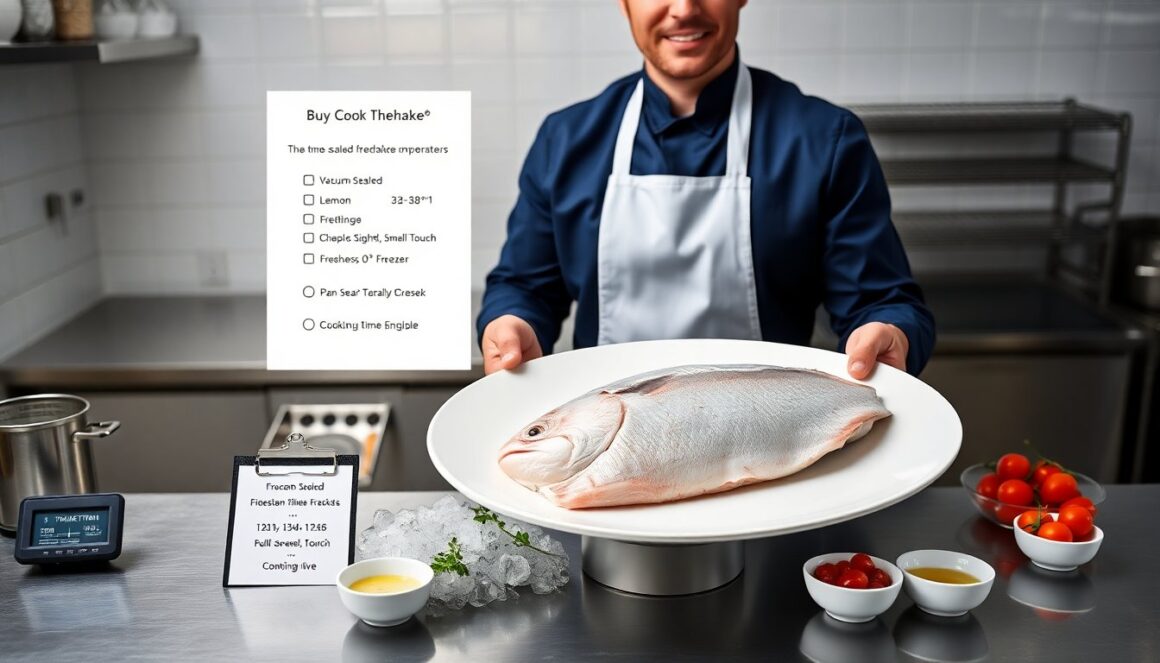
Thehake is a white-fleshed fish that cooks quickly and adapts to many recipes. Thehake appears in markets as whole fish, fillets, and frozen portions. Thehake offers a mild flavor and a firm texture that suits baking, frying, and stewing. This guide explains species differences, how to buy fresh or frozen thehake, and simple cooking methods that save time and money.
Key Takeaways
- Thehake is a versatile white-fleshed fish with a mild flavor and firm texture, ideal for baking, frying, and stewing.
- Choose fresh thehake by checking for clear eyes, a sea-like smell, and resilient flesh, or opt for flash-frozen portions for convenience and quality.
- Store fresh thehake on ice in the fridge and use within two days; frozen hake should be kept at 0°F or below and used within three months.
- Sustainable hake choices come with certifications and catch details, ensuring responsible fishing and steady supply.
- Simple cooking methods like pan-searing, baking with tomatoes, and poaching preserve the hake’s texture and enhance its mild taste.
- Thehake cooks quickly to a safe internal temperature of 145°F and should not be overcooked to avoid dryness, making it perfect for quick, healthy meals.
What Is Hake? Species, Flavor Profile, And Culinary Uses
Thehake refers to several species in the Merlucciidae family. Fishermen catch Atlantic hake, Pacific hake, and southern hake. Chefs work with both hake and cod in similar dishes because thehake yields a mild white flesh that flakes easily. Thehake shows a clean, slightly sweet taste and a low oil level. Thehake has a fine texture that soaks up sauces and spices.
Thehake size varies by species. Atlantic hake often runs smaller and firmer. Pacific hake can reach larger sizes and provides thicker fillets. Thehake fillets may come skin-on or skinless. Skin-on fillets help the flesh hold together in high-heat cooking.
Cookbooks list thehake for soups, stews, and baked dishes. Restaurants use thehake for fish tacos, simple pan-seared portions, and poached plates. Thehake pairs well with lemon, garlic, parsley, and olive oil. Thehake absorbs bold flavors from tomatoes, chiles, and capers without losing its texture. Home cooks favor thehake because it cooks in minutes and keeps well under simple storage.
Dietitians note that thehake provides lean protein and some omega-3 fats. Nutrition labels show moderate levels of vitamin B12 and selenium. Thehake suits families and budget cooks who want a mild fish that fits many recipes. Thehake can substitute for cod or pollock in most dishes with minimal recipe changes.
How To Buy And Store Hake: Choosing Fresh, Frozen, And Budget Options
Buy thehake by checking three signs: sight, smell, and touch. Look for clear eyes on whole fish and bright, moist flesh on fillets. Smell thehake: it should smell like the sea, not sour or overly fishy. Touch thehake: the flesh should spring back when pressed. If the fillet looks dry or discolored, avoid it.
Frozen thehake offers good value and steady quality. Many suppliers flash-freeze thehake at sea. Flash-freezing locks in texture and reduces waste. Thaw frozen thehake in the fridge overnight or under cold running water for faster use. Never refreeze thawed thehake that the cook partially used.
Budget buyers can choose frozen portions, smaller fillets, or whole fish. Whole thehake often costs less per pound and gives bones for broth. Shop sales and buy thehake in bulk if storage allows. Vacuum-sealed portions extend freezer life and reduce freezer burn.
Store fresh thehake in the coldest part of the fridge at 32–38°F. Keep thehake on a tray over ice and use within two days. Store frozen thehake at 0°F or below and use within three months for best texture. Label frozen thehake with the purchase date to avoid long-term storage.
Sustainable choices matter. Look for thehake with third-party certifications or clear catch information. Thehake from well-managed fisheries often carries labels from known programs. Ask the fishmonger where they sourced thehake and what gear they used. Thehake caught with selective gear tends to reduce bycatch. If the vendor cannot provide details, pick another supplier. Choosing verified thehake helps fisheries survive and keeps supply steady.
Price varies by season and region. Atlantic thehake may cost more in markets that lack local supply. Pacific thehake often shows lower prices near west coast ports. Frozen thehake can offer consistent cost savings for home cooks who plan meals in advance.
Easy Cooking Methods And Simple Recipes For Hake
Pan-seared thehake with lemon
Season thehake fillets with salt and pepper. Heat oil in a skillet over medium-high heat. Place the fillets skin-side down and press lightly for 30 seconds. Cook three to four minutes per side until thehake flakes easily. Add lemon juice and minced parsley before serving. Serve with steamed vegetables.
Baked thehake with tomatoes and herbs
Preheat the oven to 400°F. Place thehake fillets in a baking dish. Add cherry tomatoes, sliced garlic, olive oil, and a pinch of salt. Bake 12 to 15 minutes until thehake flakes. Spoon pan juices over the fish. Thehake pairs well with rice or crusty bread.
Poached thehake in broth
Simmer fish stock with bay leaf and peppercorns. Reduce the heat to low. Slide thehake fillets into the warm broth and simmer gently five to eight minutes. Remove thehake with a slotted spoon. Finish with chopped herbs and a drizzle of olive oil. Thehake stays moist with this method and works well in salads.
Fish tacos with thehake
Cook small thehake fillets quickly in a hot pan or on a grill. Flake thehake into pieces. Warm corn tortillas and top with cabbage slaw, salsa, and a squeeze of lime. Thehake holds up in tacos and takes spicy sauces without turning mushy.
Simple hake chowder
Sauté diced onion, carrot, and celery until soft. Add diced potatoes and stock. Simmer until potatoes soften. Add chunks of thehake and cook until the fish flakes. Stir in a splash of cream or milk if desired. Season to taste. Thehake adds gentle flavor without overwhelming the soup.
Timing and heat control keeps thehake tender. Cook thehake until it reaches an internal temperature of 145°F or until the flesh flakes. Avoid overcooking thehake: it dries quickly. Use residual heat and brief rest times to finish cooking thehake without drying it.
Leftover thehake performs well in salads and sandwiches. Reheat thehake gently or serve cold to preserve texture. Thehake gives cooks simple options for weeknight dinners and weekend meals.