Www. myinternetaccessnet
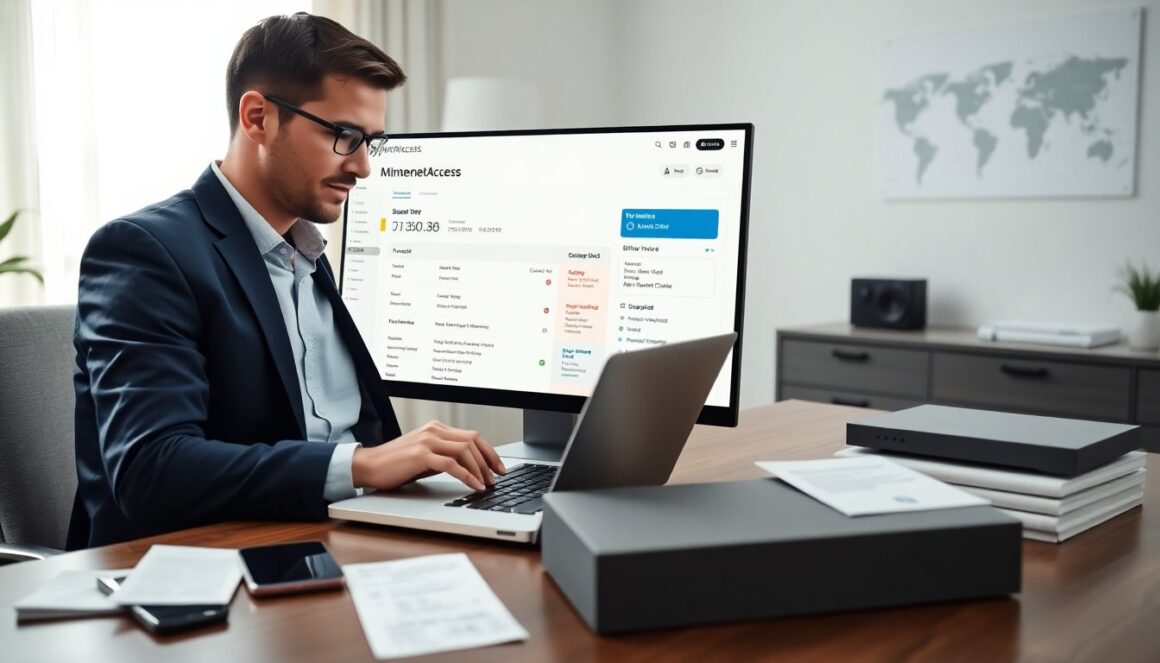
MyInternetAccess Serves As A Customer Portal That Allows Internet Subscribers To Manage Their Accounts From A Single Dashboard. Users Can View Plan Information, Monitor Usage, Review Billing History, Manage Connected Devices, Update Personal Information, And Access Support Resources. The Platform Is Designed To Simplify Account Management While Providing Convenient Access To Essential Service Tools.
Www.myinternetaccess.net#blog
Www.MyInternetAccess.Net#Blog Often Refers To Informational Resources Covering Account Management, Internet Services, Device Administration, Billing Features, Security Recommendations, And Customer Support Guidance. These Resources Help Subscribers Understand Available Features And Improve Their Overall Service Experience.
Www.myinternetaccess.net blog
Www.MyInternetAccess.Net Blog Content May Include Tutorials, Service Updates, Troubleshooting Advice, Privacy Recommendations, Network Management Tips, And New Feature Announcements. Users Can Learn How To Manage Their Accounts More Effectively While Staying Informed About Available Services.
// myinternetaccess.net#blog
// MyInternetAccess.Net#Blog Highlights Practical Information About Internet Service Management. Topics Often Include Usage Monitoring, Billing Controls, Device Oversight, Account Security, Support Processes, And Best Practices For Maintaining Reliable Internet Connectivity.
A myinternetaccess.net blog
A MyInternetAccess.Net Blog Serves As An Educational Resource For Subscribers Who Want To Understand Account Features, Improve Network Security, Manage Devices, And Resolve Common Service Issues. Articles Typically Focus On Clear Instructions And Practical Solutions.
Start @myinternetaccess.net blog
Start @MyInternetAccess.Net Blog Searches Often Relate To Learning About The Platform’s Features And Services. The Portal Provides Access To Account Information, Usage Statistics, Billing Records, Device Lists, Support Tools, Service Notifications, And Plan Management Options Through A Centralized Interface.
Start myinternetaccess.net blog
Start MyInternetAccess.Net Blog Content Frequently Introduces New Users To Essential Features Such As Account Registration, Dashboard Navigation, Device Management, Billing Controls, Privacy Settings, And Support Resources. These Guides Help Customers Quickly Become Familiar With The Platform.
// myinternetaccess.net blog
// MyInternetAccess.Net Blog Explains How Subscribers Can Sign In Securely Using Their Registered Email Address And Password. Many Providers Also Support Additional Security Features Such As Two-Factor Authentication, Password Recovery Tools, And Session Management Controls To Protect User Accounts.
# myinternetaccess.net blog
# MyInternetAccess.Net Blog Highlights Features That Allow Users To Manage Connected Devices, Configure Parental Controls, Monitor Bandwidth Usage, Pause Internet Access For Specific Devices, And Review Network Activity. These Tools Give Customers Greater Visibility And Control Over Their Internet Services.
From myinternetaccess.net blog
From MyInternetAccess.Net Blog Resources, Users Can Learn How To Update Contact Information, Modify Payment Methods, Enable Automatic Payments, Export Billing Statements, Review Invoices, And Configure Alerts For Usage And Payment Notifications. These Features Help Simplify Ongoing Account Administration.
// myinternetaccess.net
// MyInternetAccess.Net Includes Troubleshooting Resources For Common Issues Such As Login Errors, Password Problems, Billing Holds, Device Connection Failures, Speed Concerns, And Service Outages. Users Can Access Diagnostic Tools, Submit Support Tickets, Review Outage Information, And Contact Customer Support When Additional Assistance Is Needed.
#myinternetaccess.net
#MyInternetAccess.Net Emphasizes Privacy And Security Through Features Such As Strong Authentication, Session Monitoring, Device Management, Privacy Controls, And Communication Preferences. Users Are Encouraged To Maintain Strong Passwords, Enable Two-Factor Authentication, Keep Networking Equipment Updated, And Regularly Review Account Activity To Protect Personal Information.
# myinternetaccess.net
# MyInternetAccess.Net Provides A Comprehensive Environment For Managing Internet Services Efficiently. Through The Dashboard, Subscribers Can Monitor Usage, Review Billing, Manage Devices, Schedule Service Appointments, Track Technician Visits, Access Support Resources, Configure Security Settings, And Maintain Greater Control Over Their Internet Accounts While Keeping Services Secure And Organized.