

Modern esports has evolved into a relentless marathon where the global hierarchy of elite clubs is reshaped by constant, high-stakes competition. This non-stop tournament cycle demands more than just mechanical skill, forcing organizations to build sophisticated infrastructures that support long-term stability and peak performance. In this dynamic environment, legacy brands no longer hold guaranteed spots at the top, as agile, data-driven newcomers consistently challenge the established order. The traditional elite must now adapt to a landscape where a single week of poor results can trigger a significant drop in prestige and financial standing. Consequently, the ability to maintain a high competitive tempo has become the ultimate differentiator for the world’s most successful gaming organizations.
Digital Evolution and the Merciless Competitive Schedule
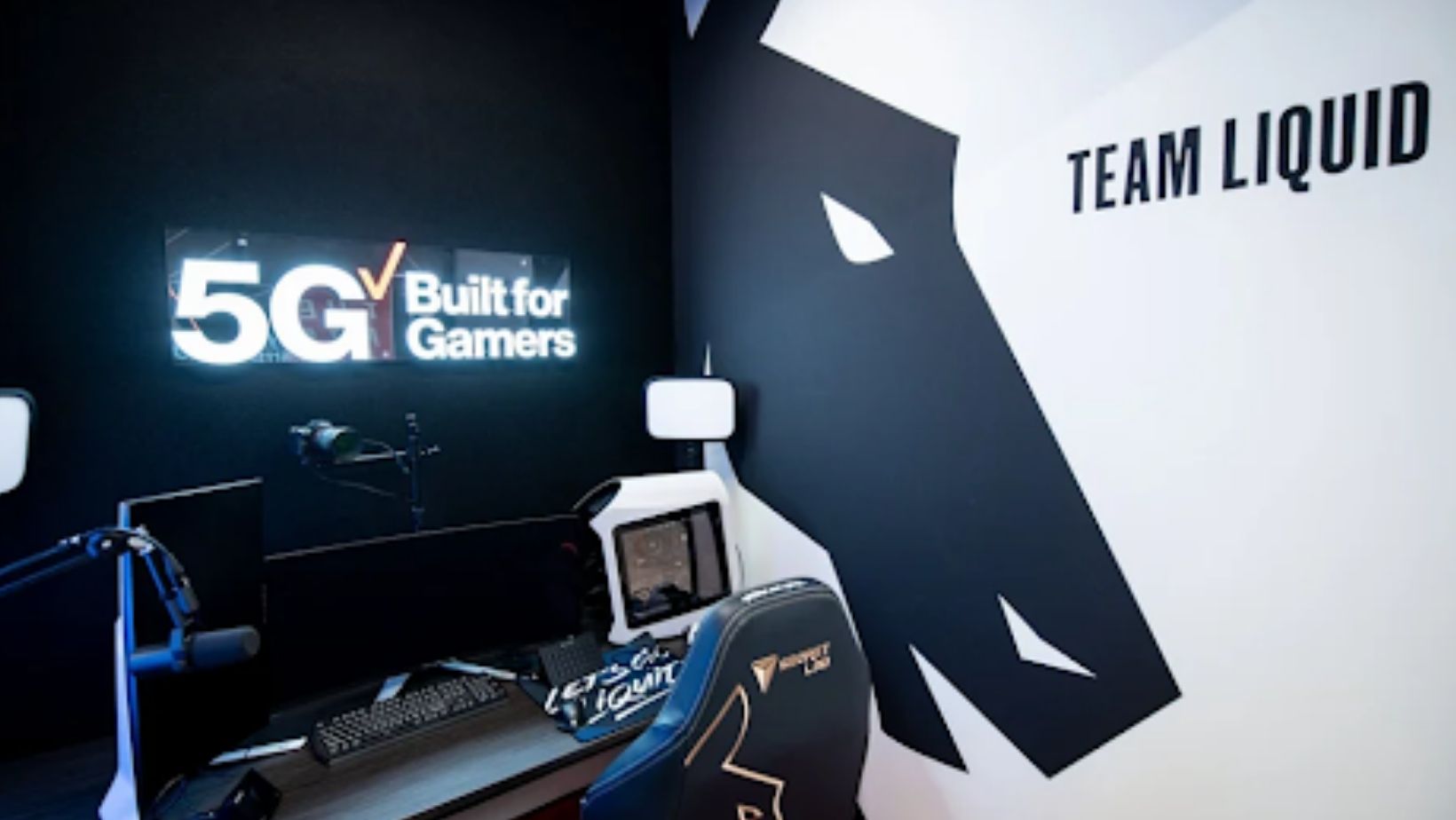
The global hierarchy of esports clubs today is defined by the ability to withstand the incredible pace of the competitive calendar. A decade ago, teams prepared for two or three key events per year; however, in 2026, top-tier rosters are forced to compete almost every week. Such a schedule requires not just skill, but immense psychological endurance. Constant flights between continents, adapting to new time zones, and the necessity of perpetually studying opponents’ strategies create conditions where only the most systematic organizations survive.
This “natural selection” has led to the emergence of a new type of club that functions like a corporation, complete with its own research centers and staff psychologists. Constant competition levels the concept of a “favorite,” as any team in the top 20 is capable of beating the ranking leader thanks to better preparation for a specific match. This creates a situation where stability becomes more valuable than sporadic victories. Clubs that invest in youth academies and analytical departments gain a long-term advantage, gradually displacing legacy brands that are used to operating on autopilot.
The Impact of Systemic Rankings on Organizational Status
Today, the status of an elite club is confirmed not only by the trophies in the cabinet but also by positions in global ranking systems. This is felt particularly acutely in disciplines where every victory directly affects the acquisition of direct invites to Majors. By analyzing the cs2 esports rankings 2026, one can notice how radically the approach to roster building has changed: teams no longer cling to high-profile “media” players if they do not bring in ranking points. Every official match becomes a brick in the foundation of the club’s reputation, which translates directly into sponsorship contracts and financial stability.
Rankings have become the primary measure of success because they reflect a team’s real strength over a distance, rather than a fluke success at a single tournament. The constant struggle for every position on the list of the best forces clubs to conduct deep personnel rotations and experiment with tactical schemes. This stimulates the development of the game as a whole, as competition for a place in the elite provokes innovation. Clubs that ignore the mathematical precision of modern rankings quickly lose media appeal, giving way to ambitious newcomers who build their game around efficiency and consistent point accumulation.
Technological Militarization and Analytical Advantage
The restructuring of the hierarchy takes place not only on the servers but also in the back offices of the teams. Constant competition has sparked a sort of “arms race” in the field of analytical software. Elite clubs now use complex artificial intelligence algorithms to analyze the behavior of their opponents, allowing them to predict their actions with high accuracy. This changes the requirements for the coaching staff: they are no longer just experienced former players, but entire groups of data scientists who process gigabytes of information after every training session.
This approach blurs the boundaries between regions that were previously considered dominant. Thanks to access to technology and the ability to constantly compete online with the best, clubs from South America or Asia are rapidly integrating into the world elite. Analytical advantage becomes a decisive factor in matches between equal opponents. If a club is unable to provide its players with this level of support, it inevitably sinks in the hierarchy, despite the talent of individual performers. The world has become too competitive to rely solely on intuition or individual mastery.
Psychological Resilience as the New Currency of the Elite

Another factor rewriting the global standings is mental preparation. In conditions where tournaments follow one after another, burnout becomes the main enemy of elite clubs. The organizations that first realized the importance of mental health are now leading the world lists. They create conditions where players can recover physically and emotionally without losing their competitive edge. This allows them to keep star rosters for a longer term, avoiding painful and expensive rebuilds that often set teams back by a year.
Clubs that treat players as disposable material quickly burn out and lose their positions. In contrast, organizations that build long-term relationships and care about the internal atmosphere demonstrate incredible resistance to stressful situations in decisive matches. Constant competition has revealed that at the highest level, it is not the one who shoots better who wins, but the one who better controls their emotions under pressure. It is this psychological aspect that today separates the true elite from merely good teams, forming the new peak of the global esports pyramid.
Conclusion
The global hierarchy of esports clubs in 2026 is the result of a continuous process of adaptation to the conditions of fierce and constant competition. It is no longer based on geography or brand history, but stands on three pillars: technological excellence, analytical depth, and psychological resilience. Those organizations that have managed to turn a chaotic stream of tournaments into a structured training system now dictate the terms on the world stage, forcing others to follow their lead.
Esports has finally transformed into an industry where “elite” status must be confirmed every day. The constant change of leaders and the emergence of new names only emphasize the health and dynamism of the ecosystem. For fans, this means an incredible spectacle and unpredictability, and for clubs, an endless challenge that forces them to become better versions of themselves with each new season.
![[D2] Daily Reset Thread [2021-09-07]](https://meltingtopgames.com/wp-content/uploads/2023/07/Untitled-design-2024-07-10T102422.093-1160x651.png)