Ever told yourself, “just one more game,” and then suddenly it is two hours later? Yeah, you are not alone. That pull you feel is not random. It is carefully designed. Whether you are grinding levels in a mobile game or spinning reels in an online casino, there is a shared playbook at work. It is called dopamine design.
Without getting too science-heavy, dopamine is the brain chemical linked to motivation and reward. It does not just make you feel good when you win. It pushes you to keep going. And both game developers and casino platforms have gotten very good at tapping into that.
What Dopamine Design Looks Like
Dopamine design is not a big win. It has to do with an ongoing flow of little incentives that keep your brain busy. You are receiving small doses of gratification repeatedly instead of waiting to receive a big payoff.
Once you begin to notice it, you will see this everywhere. Games and casinos are based on the same mechanics to keep the players engaged. These systems are implicit. They are, however, very effective. The most typical ones are as follows:
- Progress bars that are always almost complete
- Daily rewards that reset if you miss a day
- Randomized rewards
- Flashy animations and sound effects after wins
The idea is to keep you engaged just long enough to want the next reward. And that is absolutely fine if you follow the Metro Times guide.
Why Randomness Is So Powerful
One of the biggest tricks in dopamine design is random rewards. If you knew exactly when you would win, the experience would get boring fast. But when rewards are unpredictable, your brain stays alert and interested. This is called variable reward scheduling. It is used heavily in both games and casinos.
That uncertainty creates anticipation. And that anticipation is often more addictive than the reward itself. It is the same reason people keep opening loot boxes or spinning slots. Maybe this time, the feeling is incredibly powerful.
Games vs Casinos: Different Systems, Same Psychology
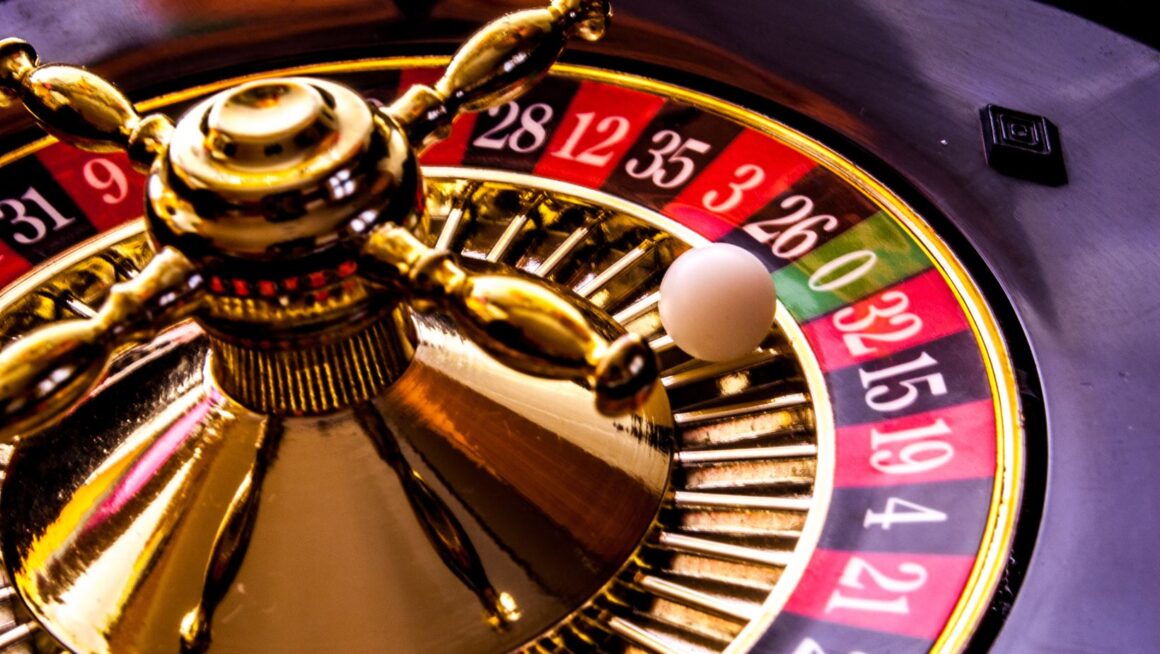
On the surface, games and casinos seem very different. One is about skill and progression. The other is mostly chance. But when you look at how they are designed, the similarities are hard to ignore. Both rely on reward loops that encourage repetition. Both are dependent on systems that build anticipation. Both need feedback that keeps players emotionally engaged.
The difference is in what drives the outcome. In games, skill often plays a role. In casinos, it is mostly luck. But the feeling of progression and reward can be surprisingly similar. That is why some modern games feel a bit like gambling. It is the main reason why casino platforms are starting to look more like games.
The Role of Almost Winning
You know that moment when you almost win? You see those two matching symbols on a slot machine, or a progress bar stopping just short of completion. It feels frustrating. But it is so motivating. That is not an accident. That is why some CS2 cases are more popular.
Near-misses trigger a similar response in the brain as actual wins. They make you feel like success is just around the corner. This, in turn, encourages you to try again. Games use this with:
- The boss fights you almost beat them
- Loot drops that were so close to rare
- Progress bars just shy of completion
Casinos use it with:
- Reels that nearly align
- Bonus rounds that almost trigger
In both cases, the message is the same. You are close, so keep going.
When Engagement Turns into Overplay
All of this design is great for engagement. However, there is a flip side. When reward systems are too effective, they can push players into playing longer than they intended. It is easy to lose track of time when:
- Rewards are constant
- Progress feels continuous
- There is always one more thing to unlock
This does not mean games or casinos are inherently bad. But it does mean the systems are designed to hold your attention. And they are very good at it. Being aware of these mechanics is half the battle.
Final Say!
Dopamine design is everywhere. You can start with mobile games and then progress to online casinos. The idea is to ensure you remain entertained, inspired, and returning again and again. And it works. It exploits the brain wiring. The point is that it is not important to shun these systems altogether. It is to know them. And as soon as you observe the interaction between reward loops, randomness, and near-misses, you begin to see the patterns. That way, it is somewhat easier to take a break after that final round.