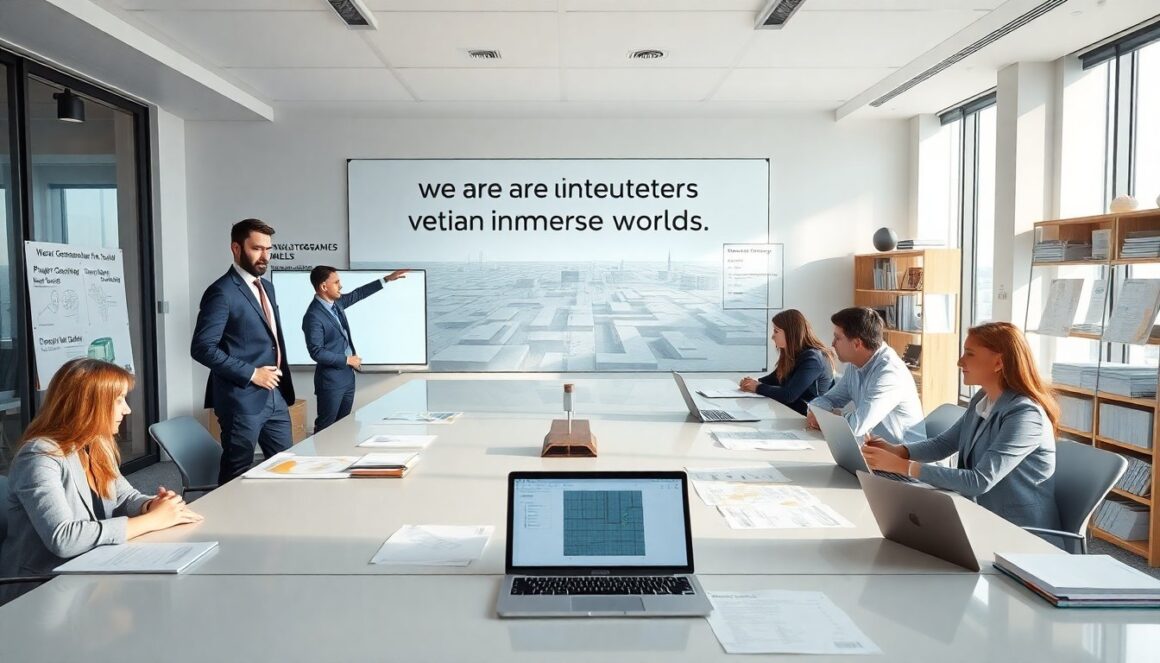
we are architects meltingtopgames of immersive worlds leads this explanation of how teams shape playable places. They focus on place, story, and player choice. They set goals, map needs, and iterate fast. They measure reactions and change design to fit real play. The team shares practical steps and clear rules so readers can see how world design moves from idea to lived play.
Key Takeaways
- We are architects meltingtopgames of immersive worlds that prioritize coherent storytelling, player choice, and functional design to create engaging, memorable spaces.
- The worldbuilding workflow moves quickly from concept briefs to playable maps using sketches, blockouts, and iterative testing for clarity and fun.
- Iterative prototyping tests flow, mechanics, and mood early with rapid adjustments based on player feedback to enhance gameplay experience.
- Player-centered metrics like paths, heatmaps, and pause points inform environmental design to guide players toward intended moments effectively.
- Using modular kits, automation, and lightweight editors, teams build scalable pipelines that balance efficiency with handcrafted personality.
- Cross-disciplinary collaboration with daily syncs and clear ownership fosters alignment and rapid decision-making across art, design, audio, and engineering.
Our Design Philosophy: Crafting Places Players Want To Live In
They state that we are architects meltingtopgames of immersive worlds to set process and ethos. They prioritize coherent rules, readable landmarks, and emotional beats. They shape spaces that invite curiosity and reward return. They avoid empty decoration and focus on functional story. They let players discover through movement and interaction. They set constraints to guide creativity and keep levels focused. They use mood, color, and sound to make place feel inhabited and true.
From Concept To Playable Space: The Worldbuilding Workflow
They follow a clear funnel from idea to playable map. They start with a concept brief that names goals and the player arc. They sketch layouts and mark key moments. They build a rough blockout and test core movement and sightlines. They refine art and systems once the space passes basic tests. They document lessons to reuse in later levels. They keep the brief short to protect design intent and speed choices.
Iterative Prototyping: Testing Space, Mechanics, And Mood Early
They prototype fast and cheap to learn early. They build block maps to test flow and cover. They add simple props to test sight and pacing. They run short play sessions and watch for confusion. They change layout and mechanics after each test. They record results and repeat until play feels clear and fun. They treat prototypes as experiments, not final art.
Player-Centered Metrics: Using Behavior To Inform Environmental Design
They collect simple metrics to guide design. They log paths players take and places players avoid. They note where players die or stop. They watch where players pause to take in view. They use heatmaps and session clips to confirm choices. They update space to nudge players toward intended moments. They test again after each iteration to verify improvement.
Tools, Tech, And Pipelines: Practical Systems That Scale Creativity
They build pipelines that let teams ship fast. They use modular kits to create varied rooms from shared parts. They automate repetitive tasks to free artists for key moments. They integrate version control so teams sync work without friction. They build lightweight editors so designers tweak layouts in play. They document common patterns for reuse. They balance automation with handcraft to keep personality in levels.
Procedural And AI-Assisted Workflows: Speeding Creativity Without Losing Soul
They apply procedural tools to generate base geometry and populate props. They use AI tools to suggest variations and to accelerate texture work. They review AI output and refine by hand. They keep author control over key narrative and landmark pieces. They use procedural rules as a starting point rather than a final pass. They measure whether generated content supports play and discard what does not.
Collaborating Across Disciplines: Art, Design, Audio, And Engineering In Concert
They set daily syncs so teams share progress and blockers. They assign clear owners for space, mechanics, and sound. They run joint reviews to align on mood and function. They let audio teams shape rhythm and guide player attention. They let engineers flag performance and memory limits early. They keep feedback short and focused to make quick decisions. They celebrate small wins to keep teams motivated and aligned.