
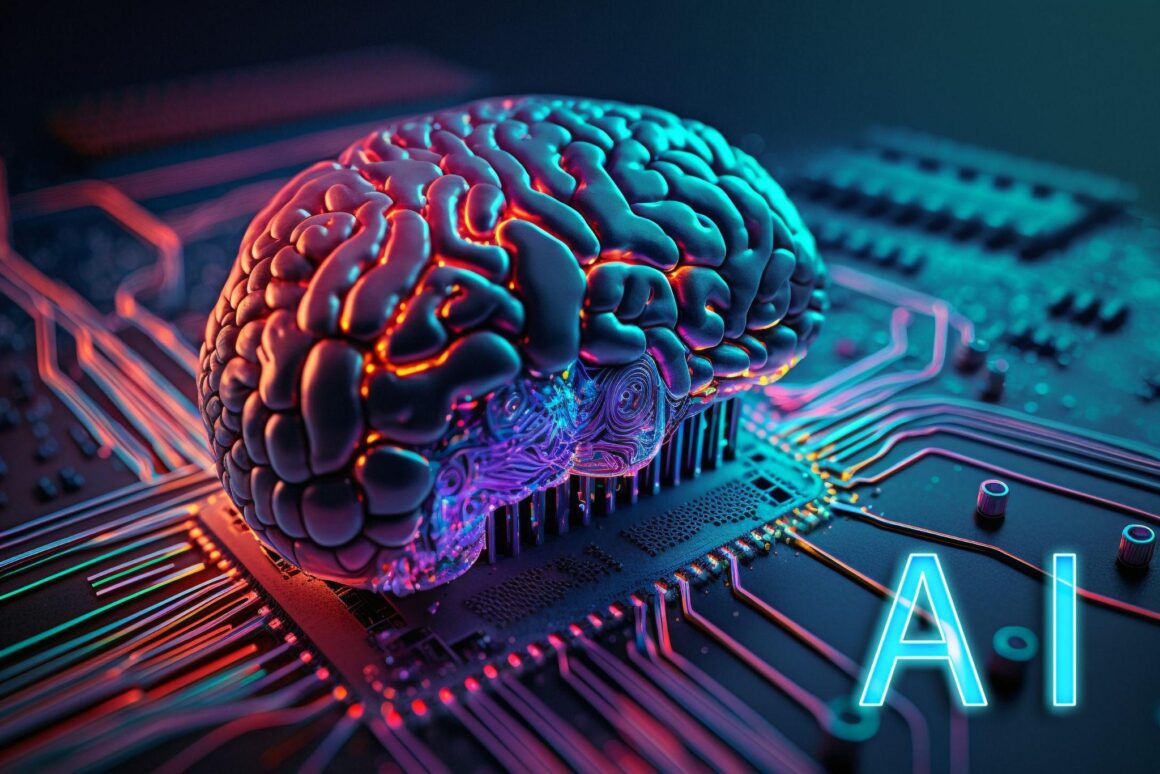
We have officially moved past the era of static screens. In 2026, User Experience (UX) has evolved from a collection of buttons and menus into a living system—one that interprets your context, intent, and even your emotional state in real-time. The traditional “click” is becoming a secondary interaction method as we embrace Zero UI and Anticipatory Design. Interfaces no longer wait for you to tell them what you want; they observe your behavior and adapt the digital environment to meet your needs before you even realize you have them. This shift has made technology feel less like a tool and more like an intuitive extension of our own thoughts.
Anticipatory Design: The End of the Search Bar
The hallmark of 2026 is Anticipatory Personalization. Instead of browsing through endless categories, AI-driven interfaces now predict your goals based on the time of day, your location, and your recent activity. If you typically check your finances at 10:00 AM, your banking app doesn’t just show you a login screen—it presents a personalized summary of your morning transactions and suggests the next logical action. This “Frictionless Flow” reduces cognitive load, allowing you to focus on decision-making rather than navigation.
This philosophy is at the core of platforms like bCasino. In the high-stakes world of interactive entertainment, speed and focus are everything. For a seasoned veteran, the UI might be stripped down to the essentials for maximum speed; for a newcomer, it might provide subtle, AI-guided tips. This isn’t just a setting you toggle—it’s a dynamic evolution of the software that learns and grows with you, making every session feel perfectly “synced” to your current state of mind.
Zero UI: Interaction Beyond the Screen
In 2026, we are interacting more with our voices, gestures, and even our eye movements. Zero UI means that the best interface is often the one you can’t see. Smart environments now use proximity and biometric sensors to trigger actions—like your favorite playlist starting when you sit in your “chill-out” chair, or your screen dimming automatically when it detects eye fatigue.
AI as a Co-Designer
Designers in 2026 aren’t just drawing pixels; they are managing systems. AI acts as a silent co-designer, adjusting layouts on the fly to optimize for accessibility and engagement. If the system detects that a user is struggling with a specific flow, it can rearrange components in real-time to make the process more intuitive.
The Four Pillars of 2026 UX Design
The shift from “static” to “living” is supported by four key technological and philosophical pillars that have redefined our digital interactions this year.
|
Pillar |
Focus |
2026 Application |
|
Contextual Awareness |
Environment & Intent |
UI changes based on lighting, location, and user goals. |
|
Multimodality |
Voice, Touch, Gaze |
Seamlessly switching between interaction methods. |
|
Trust & Transparency |
Explainable AI |
Systems that explain why they made a recommendation. |
|
Inclusive AI |
Radical Accessibility |
Real-time contrast and navigation adjustments for all users. |
Designing for Trust and Human Emotion
As AI becomes more autonomous, the central question of 2026 has shifted from “Can AI do it?” to “Can I trust it?” Modern UX is now built on the foundation of Trust-Centered Design. Users are no longer satisfied with “black box” algorithms; they want to see the reasoning behind the suggestions they receive. The most successful apps this year are those that prioritize clarity and user control, ensuring that the human remains the final decision-maker in every loop.
- Emotional Synchronicity: Using biometric feedback from wearables, 2026 apps can detect frustration. If a user is struggling, the AI agent might step in with a helpful “Human-in-the-Loop” prompt or simplify the interface to lower stress.
- Agentic Ecosystems: We now interact with “Master Agents” that coordinate multiple specialized AI bots. Your UX is the cockpit from which you orchestrate these agents to handle complex tasks like travel planning or wealth management.
- The “Human” status symbol: In a world of AI-generated everything, “Hand-Crafted” UX elements—those with deliberate, artistic imperfections—have become a premium status symbol, signaling that a real person was behind the design.
The Death of the “Dead End”
In 2026, there is no such thing as a “404 Error” or a broken flow. Adaptive systems are designed to find alternative paths. If a service is down or an item is out of stock, the UI immediately pivots to offer the next best alternative, keeping the user in the “Flow State.”
The Future is Adaptive
The UX revolution of 2026 has turned the digital world into a responsive, empathetic partner. We have moved from “User-Interface” to “User-Relationship.” As we look forward, the goal of design remains the same: to make technology disappear, leaving behind only the experience itself. The future is no longer something you click on—it’s something that responds to you. Welcome to the era of the living interface.
![[D2] Daily Reset Thread [2021-09-07]](https://meltingtopgames.com/wp-content/uploads/2023/07/Untitled-design-2024-07-10T102422.093-1160x651.png)