
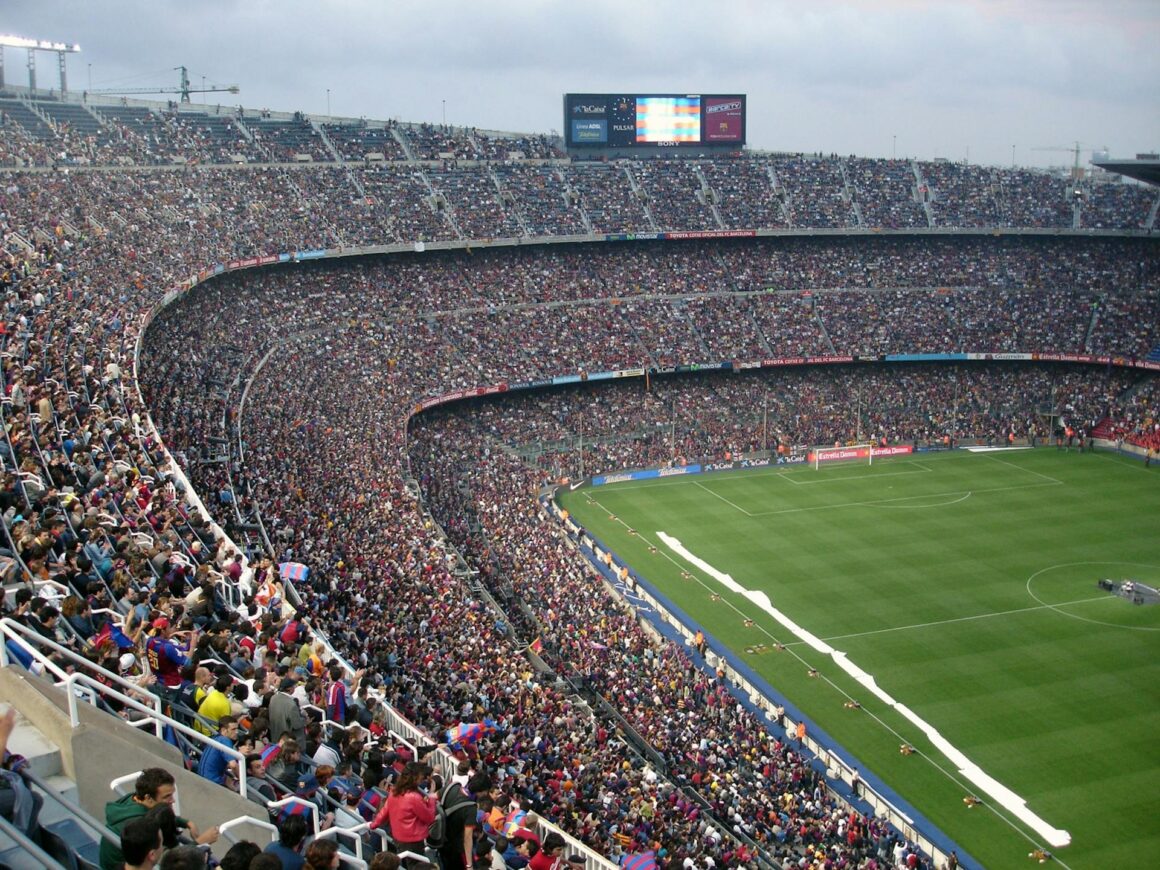
The Super Bowl has never been just a football game. It is a fixed moment in the year when schedules shift, food appears earlier than usual, and living rooms turn into shared spaces. Long before streaming watch parties and social media reactions, video games slipped naturally into this routine. They did not replace the broadcast, they filled the spaces around it.
Football video games worked because they matched the pacing of the day. Short games fit neatly into the hours before kickoff. Competitive matches kept energy high during halftime. Rematches extended the night after the trophy ceremony ended. Unlike many other genres, football games required little explanation. Most people already understood downs, touchdowns, and timeouts, even if they never touched a controller the rest of the year.
This accessibility mattered. A Super Bowl game night often included casual fans, relatives, and guests who would not normally play video games. Football titles lowered the barrier. You picked a team, learned a few buttons, and jumped in. The shared understanding of the sport made every on-screen moment easy to follow.
What turned certain games into Super Bowl staples was not innovation alone. It was repetition. These games reappeared every February, slowly becoming part of the ritual rather than separate entertainment.
The Benchmark Title: Tecmo Super Bowl
When conversations turn to the origins of Super Bowl video gaming, Tecmo Super Bowl stands apart. Released at a time when licensed sports games were still rare, it managed to capture the feel of professional football without overcomplicating the rules.
Tecmo Super Bowl introduced real NFL teams and player names, which gave it immediate credibility. More importantly, it translated football strategy into something readable on screen. Each play felt intentional. Defensive choices mattered. Certain matchups felt unfair, and that imbalance became part of the fun rather than a flaw.
The game’s pace made it ideal for group play. Matches were short, intense, and decisive. A full game could be completed between commercial breaks or during halftime without feeling rushed. That timing helped Tecmo attach itself to Super Bowl Sunday more tightly than most titles.
Another reason Tecmo endured was personality. Star players behaved like stars. Some were nearly unstoppable, and everyone knew it. Debates about fairness, team selection, and house rules became part of the experience. Those arguments echoed the same discussions happening about the real teams on television.
Decades later, Tecmo remains playable not because of nostalgia alone, but because it still fits the Super Bowl rhythm better than many modern games.
Madden NFL and the Rise of Annual Rituals
If Tecmo built the foundation, Madden NFL transformed Super Bowl gaming into an annual ritual. Madden’s strength was not a single mechanic, but its consistency. Each release arrived as part of the NFL calendar, mirroring the real season as it unfolded.
Players bought Madden in the fall, followed roster updates through the year, and carried that familiarity into the playoffs. By the time the Super Bowl arrived, Madden already felt lived-in. It was no longer a new game, but a shared reference point.
Madden’s fame during Super Bowl season also grew through prediction culture. Friends simulated the upcoming matchup. Media outlets ran virtual Super Bowls. Fans replayed controversial plays after the real game ended. Madden became a way to argue outcomes rather than just observe them.
Presentation played a role as well. Commentary, camera angles, and broadcast pacing mirrored television coverage closely enough to feel familiar, without slowing gameplay. Even casual players understood what was happening on screen.
Over time, Madden became synonymous with football gaming itself. Its presence during Super Bowl weekend felt expected, almost automatic, reinforcing its status year after year.
Arcade Chaos and Party Energy: NFL Blitz
While Madden pursued realism, NFL Blitz gained fame by embracing chaos. Blitz removed penalties, shortened fields, and exaggerated hits until football became a fast-moving spectacle. That tone matched Super Bowl party environments perfectly.
Blitz thrived where attention was split. In crowded rooms with music, food, and constant conversation, realism mattered less than immediacy. Big hits, quick scores, and over-the-top animations kept spectators engaged even if they were not holding a controller.
The game’s structure also encouraged rotation. Short matches meant players could swap in and out easily. Losing did not feel punishing because the game never asked to be taken seriously. That made Blitz welcoming to newcomers who might hesitate to play a more technical simulation.
Blitz earned its place not by accuracy, but by mood. It captured the louder, looser side of Super Bowl Sunday, where entertainment mattered as much as competition. That alignment gave it lasting recognition long after arcades faded from prominence.

Super Bowl Sunday as a Gaming Schedule
The most famous Super Bowl video games succeeded because they respected time. Super Bowl Sunday follows a predictable arc, and the games that fit into that arc survived.
Morning sessions filled anticipation with activity. Short games passed time without draining energy. Halftime matches kept momentum alive while the broadcast paused. Late-night rematches stretched the event beyond the final whistle.
This structure explains why certain games endured while others faded. Titles that required long tutorials, deep progression systems, or uninterrupted focus rarely became Super Bowl staples. They asked too much of players who were already sharing attention.
Modern versions of this ritual now extend online. Friends in different cities still schedule Super Bowl gaming sessions, recreating the same pattern through voice chat and matchmaking. The format changed, but the timing stayed the same.
In recent years, this blending expanded even further. Gaming conversations drifted naturally into side activities tied to the event itself, where playing a few more rounds after kickoff or during halftime felt normal, and where playing at Raging bull and be in with a chance to win tickets and over 1 million in prizes could sit comfortably alongside discussions about the score and the next drive.
Why Graphics Never Defined Fame
Visual quality improved steadily across generations, but it never defined Super Bowl gaming fame. Some of the most remembered titles now look outdated, yet they continue to appear during Super Bowl gatherings.
What mattered more was clarity. Players needed to understand field position, time remaining, and score instantly. Games that cluttered the screen or slowed feedback struggled in social settings where attention shifted constantly.
Control responsiveness also mattered. Famous titles felt fair, even when unpredictable. Players trusted that outcomes reflected inputs, which kept matches competitive and arguments playful rather than frustrating.
Licensing helped, but it was not decisive. Tecmo succeeded with limited presentation. Blitz ignored realism entirely. Madden balanced authenticity with accessibility. Fame followed usability rather than ambition.
The games that lasted were the ones people felt comfortable handing to a newcomer without explanation.
Social Memory and Competitive Stories
Famous Super Bowl video games created stories, not scripted narratives, but personal moments repeated over time. A last-second interception. An unlikely comeback. A blowout no one expected.
These moments mattered because they had witnesses. They happened in shared spaces, surrounded by food, noise, and anticipation. They were retold every year when the same group gathered again.
Unlike single-player games, these titles built memory through repetition. Even players who barely touched games during the rest of the year remembered the controls when February arrived. That familiarity reinforced confidence and participation.
Super Bowl gaming fame grew through these stories. Not through reviews or sales numbers, but through repetition and retelling.
The Modern Era and Ongoing Influence
Modern football games face new challenges. Online systems, live updates, and complex mechanics compete for attention. Yet the core lesson from famous Super Bowl titles remains intact.
Games that succeed during Super Bowl weekend respect the social setting. They allow drop-in play. They tolerate distractions. They reward short bursts of attention.
Older games still appear during Super Bowl gatherings because they match those needs better than many modern releases. Not because new games are inferior, but because older ones were built for shared rooms, not isolated sessions.
Developers continue to revisit this balance, searching for ways to blend realism with accessibility without breaking the flow of the day.
Why These Games Still Matter
The most famous Super Bowl video games earned their status by fitting into real life rather than pulling players away from it. They turned waiting into competition and conversation. They gave fans a way to participate, not just observe.
Their legacy shows that fame is built through repetition, timing, and shared memory. As long as the Super Bowl remains a communal event, there will be space for games that understand its rhythm and respect the moment.
The titles that endure will not always be the newest or most detailed ones. They will be the ones people reach for instinctively when the countdown to kickoff begins.
![[D2] Daily Reset Thread [2021-09-07]](https://meltingtopgames.com/wp-content/uploads/2023/07/Untitled-design-2024-07-10T102422.093-1160x651.png)