
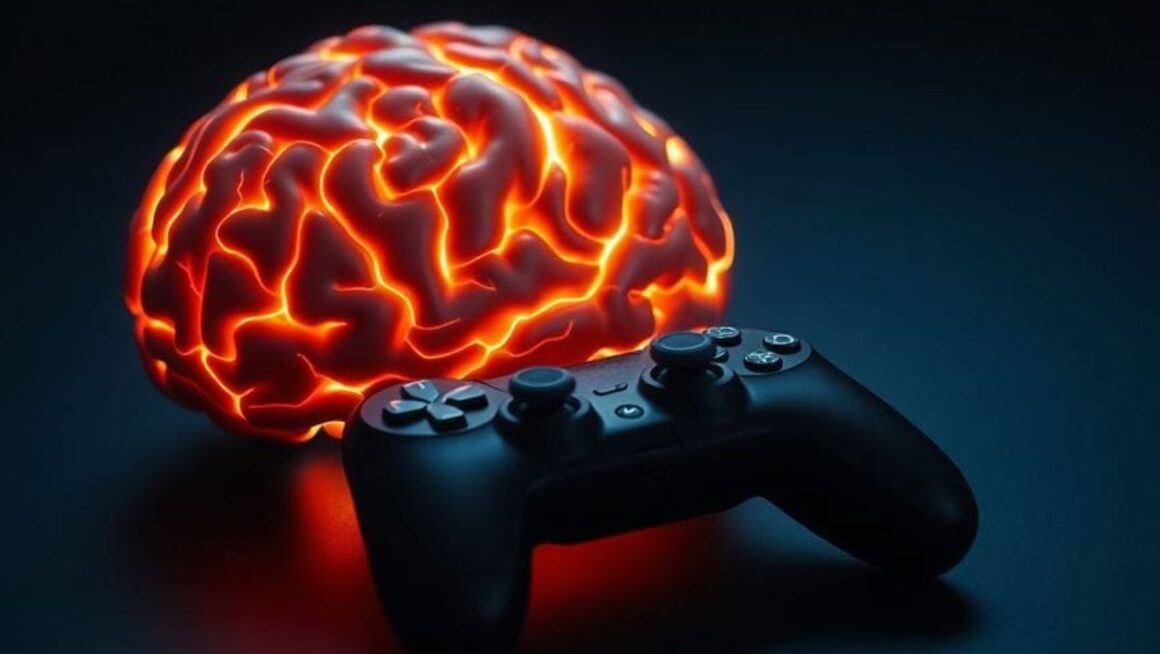
A $3 win on a $5 bet shouldn’t be anything special. You’re down $2. It’s simple maths. But your heart rate speeds up, your brain releases a chemical that makes you feel good, and suddenly you think you’re on a lucky streak. This gap between reality and emotion is the basis of a multi-billion dollar industry.
Small wins are more satisfying than big ones. It might sound strange, but there is scientific evidence to support it. Your brain doesn’t register these small wins as losses that are hidden by the sounds of celebration. It processes them as wins. That’s it. The frequency is more important than the size. If you win $5 ten times, you will get more excited than if you win $50. Game designers know this very well.
Why Tiny Victories Feel Massive
The brain releases more dopamine when we are anticipating something, not when we actually achieve it. The brain is more active just before the reels stop spinning than when the jackpot symbols appear. When you almost win, the brain responds in the same way as when you actually win. Two cherries land, the third one stops just one symbol away – this is technically a loss, but it feels like you almost had it.
Research using brain scanners shows that near-misses trigger the same midbrain activity as wins. The ventral striatum lights up. Your brain is flooded with feelings of reward. But you know you lost. Your brain understood that this meant you were close to winning. This makes you want to try again.
I’ve seen people celebrate small wins with $2 bets on $10 bets. Not the way you might think. I was really excited. The flashing lights, happy sounds and winning animations make the brain think that playing is always a good thing, even when you don’t actually win anything. Multi-line slots take advantage of this. You “win” on 12 out of 20 lines, but overall you lose. Your brain experiences twelve separate moments of pleasure.
The unpredictability makes everything worse. If every tenth of a second paid out, you’d get bored quickly. Variable ratio reinforcement schedules – where rewards are given at random times – create the strongest behavioural conditioning. It’s the same process that slot machines use, and it’s also how social media notifications and checking your phone all the time work.
The Frequency Factor
Modern slots win on 25-30% of spins. That’s not an accident. The game’s math is balanced to make sure you keep winning often, so you keep playing without running out of money. The goal isn’t to take your money quickly – it’s to make you play for longer, get you hooked and make you feel good.
Older mechanical slots paid out more, but less often. There is a lot of variation. Players would either go bust quickly or win big. Neither of these options keeps people interested. The way the game is designed right now is all about medium-low variance with frequent hits. You feel like you’re winning all the time, but actually you’re losing money.
| Win Size | Frequency | Dopamine Impact | Player Reaction | Strategic Purpose |
| Under 1x bet | Every 3-4 spins | Small but constant | “I’m winning!” | Disguised losses, extends play |
| 1x-3x bet | Every 10-15 spins | Moderate boost | Reinforces “hot streak” feeling | Prevents walkaway, maintains hope |
| 5x-10x bet | Every 50-100 spins | Significant spike | Excitement, tells friends | Creates memorable moments |
| 25x+ bet | Every 500-1000 spins | Massive surge | Euphoria, screenshot it | Rare enough to feel special |
| Jackpot (100x+) | Every 10,000+ spins | Off the charts | Life-changing feeling | Marketing material, hope fuel |
In the industry, these under-bet wins are called “losses disguised as wins” or LDWs. You bet $5, win $3, hear victory sounds. Your brain processes things that make you feel like you are celebrating before it calculates how much you actually lost. This happens hundreds of times during a session, making you think that winning is the most important thing, even if you don’t actually win.
Mobile Apps Crank This Up
Mobile gambling changed everything. Literally. You’ve got a casino in your pocket that knows when you’re most likely to play, what games you prefer, and how long you typically play for. AI tracks what you do online and optimises everything to make sure you’re always interested.
The Mateslots app is a great example of a modern mobile design. It gives you instant access, one-tap betting and seamless gameplay. There is no delay between the impulse and the action. Going to a traditional casino required planning, travel time, parking, and finding a machine. All those steps made sure there were some natural moments to cool down. Mobile gets rid of all the barriers.
Push notifications are sent when the system thinks you’re most likely to engage with them. “Your Lucky Game is hot right now!” arrives at 8 p.m. on Friday, after a stressful week at work. That’s not random timing. Studies of player behaviour show when they are most likely to play. It’s very easy to lose money – you can lose $500 while sitting on your sofa in your pyjamas at midnight.

Auto-play lets you bet hundreds of times in minutes. Turbo spin modes make everything go faster. Some games support bet rates of over 10 spins per second. Your brain can’t process outcomes that quickly, but the dopamine keeps flowing. The fact that it happens so quickly stops you thinking clearly and getting caught up in your feelings.
Building Tolerance
Here’s where it gets difficult. Your brain gets used to the feel-good chemical dopamine, just like it does with drugs. That $10 win that made you so happy at first? After a month of regular use, you barely notice it. To feel the same way, you need to win more often or win bigger.
Brain scans show that people who gamble regularly have fewer dopamine receptors in a part of their brain called the striatum. The same changes are seen in people addicted to cocaine. Natural rewards – like food, being part of a group, or achieving something – don’t have as much impact. If you see something related to gambling, you are more likely to have a stronger reaction. This explains why problem gamblers often report feeling numb to everyday life.
The tolerance mechanism creates a pattern where the problem gets worse over time. You start with $1 spins. After three months, you’ll be on $5 spins and feeling just as excited. After six months, $10 spins feel normal. This change happens slowly, so most people don’t notice until they’re in trouble.
Gamblers get withdrawal symptoms when they stop playing regularly. Feeling easily upset, restless and finding it hard to concentrate. These aren’t character flaws or a lack of willpower. They are caused by changes in the brain’s dopamine levels. The brain gets used to regular artificial stimulation and will protest if it stops.
The Celebration Trap
Every win is celebrated the same, no matter how big or small. If you bet $2, the winning sound is the same as if you bet $200. They look the same. They have flashing symbols, bright animations and congratulatory text. Your brain processes the signals that tell you to celebrate without immediately checking if you’re actually feeling up or down.
Sound design is a form of psychological warfare. Big game studios employ audio engineers to make celebration sounds as good as possible for a strong emotional response. The jingles get louder and louder and last longer and longer, depending on how much you win, which makes you want to keep playing and playing and playing.
| Design Element | Psychological Hook | Example | Brain Response | Why It Works |
| Victory Sounds | Pavlovian conditioning | Jingles play even on net losses | Associates sound with reward | Creates automatic positive response |
| Near-Miss Displays | False sense of control | Jackpot symbols just off payline | Activates win circuits despite loss | Makes losing feel like almost winning |
| Cascading Symbols | Multiple dopamine hits | Wins trigger new spins automatically | Chain reaction of small rewards | Extends anticipation and excitement |
| Progress Bars | Goal-proximity effect | “3 more spins until bonus!” | Creates artificial milestone | Keeps you playing “just a bit more” |
| Free Spin Triggers | Unexpected reward | Random bonus rounds | Massive dopamine spike | Most memorable moments, shared socially |
When Fun Becomes Problem
Approximately 2-3% of regular players develop a serious gambling problem. It might not sound like a lot, but it’s actually millions of people. The warning signs are not easy to see at first. You start thinking about gambling even when you’re not actually gambling. You try to win back losses more quickly. You need to place bigger bets to feel excited.
One clear sign of lying is when you don’t tell the truth about what you did. If you’re not sharing how much time you spend or the money you lose with your family, something has changed. You know this behaviour is wrong, so you try to hide it. I’ve spoken to people who had separate bank accounts so that they could hide their gambling from their partners.
It’s better to be cautious about money issues than emotional ones. Gambling with money that is meant to pay bills. Borrowing money to play. Selling some of their belongings to pay for sessions. These show that the behaviour has gone from being just for fun to being something that is not under control. The brain’s response to dopamine makes it hard to think clearly about financial decisions.
If someone seems emotionally numb when they’re not gambling, it’s another big sign. If you only feel alive when you’re playing, it’s like your reward system got hijacked. Normal activities that give you a buzz – like seeing friends, hobbies, and work achievements – seem boring compared to the exciting feeling you get from games.
What Actually Helps
Deposit limits are better than time limits. Set a limit on how much you can spend each week or month. Think of it as money for fun, like for going to the cinema or to see a band. Once it’s gone, you’re done until the next period. Most platforms now have cooling-off periods and ways you can stop using them.
Never try to make up for losses. This is the most important rule. You’ve lost $100? If you leave, you lose $100. If you chase it, you’ll probably lose $300 trying to get back to the same place. The numbers do not make it likely that they will recover. The house advantage increases with every bet. The more you try to win back your losses, the less likely you are to succeed.
Remember that sometimes, small wins can feel really exciting. If you get a thrill from betting $5 on a $20 bet, it means your brain is wired in the wrong way. This is a sign that you should stop and think again. If you feel happy or excited about gambling, it shouldn’t be more intense than when you achieve something in real life.
Take real breaks. Not for the toilet or to change games. Close the app and do something else for at least an hour. This helps to normalise your dopamine levels and gives your rational brain time to think things through. Most people make impulsive decisions without thinking about them.
The Industry’s Evolution
The rules are catching up. Some places now have rules about how long it takes to spin the reels, how much you can bet, and checks that appear after you’ve been playing for a while. The UK introduced a £2 maximum bet limit on these machines. These measures can reduce harm, but game designers adapt quickly.
Gamification is spreading into new areas. Loot boxes in video games work in the same way as slot machines. Kids are getting used to different reward schedules before they’re old enough to gamble. Psychologists are concerned about what might happen in the long term.
The newest area of interest for cryptocurrency is gambling. You can make deposits straight away, play without giving your details and you don’t have to be in a particular location. The fact that it’s easy to spend money means people can lose it more quickly, with fewer protections in place. Blockchain technology doesn’t change the underlying psychology – it just removes more barriers.
Virtual reality casinos will be ready in 18 months, according to what the industry is planning. Imagine the sensory experience of a physical casino combined with the convenience of mobile technology. Dopamine engineering will reach new levels. These technologies aren’t inherently bad, but they can make people more vulnerable to negative mental health effects.
Real Stories
A man downloads a casino app during his lunch break at work. He won $80 on his second try. It feels amazing. It plays for another week, deposits $500 in total, but ends up losing $300 overall. He still remembers that first win of $80 more vividly than the later losses. The pleasure they got from that early win made them remember it better than other things that had happened.
It’s a different situation. Someone plays penny slots every day. For every 50 cents bet, you get 30 cents back. It’s a great way to win and you can celebrate each win. They didn’t realise they had lost $50 after an hour because they had been winning the whole time. The fact that there were a lot of small wins meant that people didn’t notice the overall loss.
Or this one. Regular players start with $1 spins, which gradually increase to $10 spins over six months to keep things exciting. One day, they realise they’ve spent $2,000 in one go. The tolerance build-up happened so slowly that they didn’t notice it until they saw their bank statement.
Bottom Line
Small wins are made to feel bigger than they actually are. Game designers make every element work together to make players feel a particular way. Mobile technology makes things easier and lets you get to them whenever you want. Your brain gets used to the effects, so it needs a bigger or more frequent hit to get the same effects.
This doesn’t mean that gambling is always bad or that anyone who gambles will have problems. If you understand how it works, you can engage more consciously. Know when you feel something strongly, but your brain tells you not to. If you win $5, it will feel like you have won the jackpot. Pay attention when you need to bet more to feel the same excitement.
The games will get more advanced over time. The psychological engineering will get better. The best way to protect yourself is to know how these systems work. Small wins are designed to create strong emotions. That doesn’t make the effect go away, but it helps you to deal with it. chance to maintain control.
![[D2] Daily Reset Thread [2021-09-07]](https://meltingtopgames.com/wp-content/uploads/2023/07/Untitled-design-2024-07-10T102422.093-1160x651.png)