
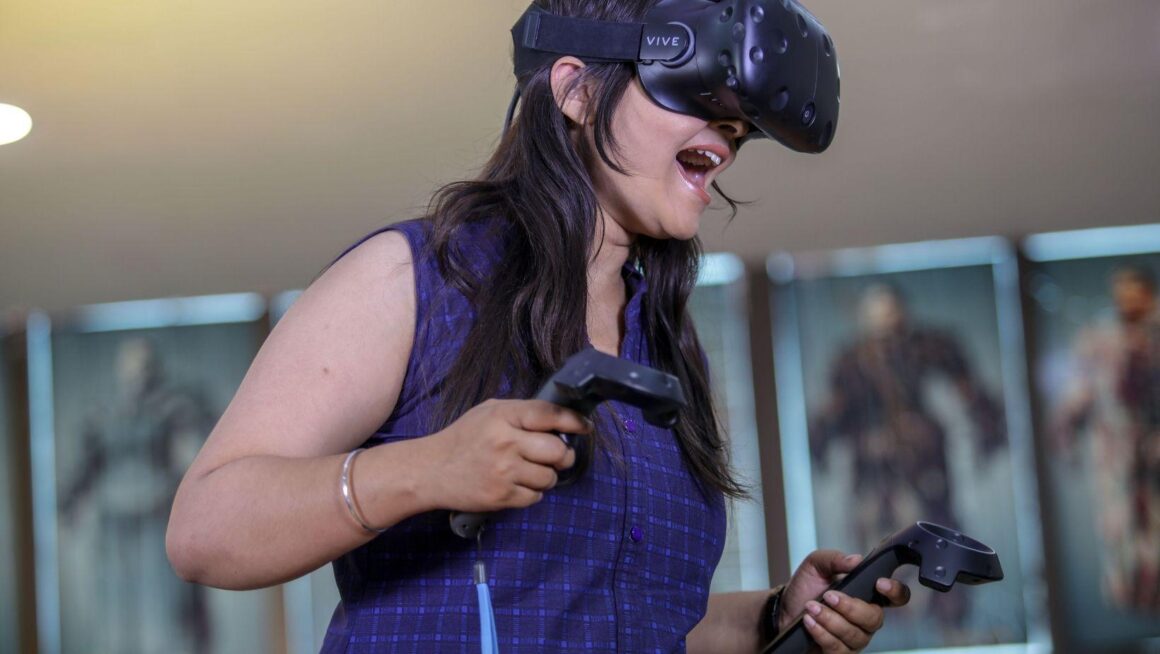
Have you noticed how modern slot play can feel less like pressing a button and more like watching a small stage show unfold?
That shift comes from immersive slot design, where sound, motion, pacing, symbols, and screen effects work together to turn a simple spin into a dramatic digital moment. The basic action is still easy to understand, but the presentation now carries more emotion, rhythm, and visual meaning.
Digital theatre in slot design does not change the core math behind play. It changes how the action feels by giving every reveal, pause, win, and bonus trigger a stronger sense of timing and atmosphere.
From Reels To Staged Moments
Modern slot screens treat each spin as a scene with a beginning, middle, and payoff.
The Screen Became A Performance Space
Classic slots focused on clear symbols and fast results. Newer digital formats still rely on readable reels, but they place those reels inside animated settings, layered backgrounds, and themed visual frames. The screen can feel like a stage because each element has a role, from the main symbols to the smallest light effect.
Timing Creates Dramatic Beats
A spin gains theatrical weight when the reels stop in a measured sequence instead of ending all at once. A short pause before the final reel can signal tension, while a quick cascade can create speed and surprise. These timing choices guide attention without needing extra instructions.
Why Audio Carries So Much Of The Mood
Sound gives slot play emotional shape even before the result appears.
Music Sets The Pace
Background music can make a slot feel calm, playful, tense, or energetic. A steady rhythm supports longer sessions of casual play, while faster layers can signal a bonus round or a higher intensity moment. Good audio does not fight the visuals; it helps the player sense what kind of moment is happening.
Search behavior around phrases like slot dewa66 shows how strongly players connect slot content with theme, rhythm, and recognition, but the broader design lesson is that sound helps people read the action faster.
Effects Make Results Easier To Read
Short sounds tied to reel stops, symbol matches, or feature triggers act like cues in a performance. A bright chime can confirm a small result, while a deeper hit can mark a larger event. These cues reduce confusion because players can understand feedback through both sight and sound.
Visual Layers That Make Play Feel Physical
Depth effects help flat screens feel more like active spaces.
Motion Adds Weight To Symbols
Symbols that bounce, glow, shake, or expand can feel more physical than static images. The movement does not need to be complex to be effective. A symbol that lands with a slight impact can make the reel feel heavier, while a floating animation can make a bonus icon feel rare or special.
Backgrounds Build Atmosphere Without Distracting
Layered backgrounds can move at different speeds to create depth. Light passing across a wall, fog drifting behind reels, or small background characters reacting to wins can add atmosphere while keeping the main symbols clear. The strongest visual setups support attention instead of stealing it.
Narrative Without Turning A Slot Into A Full Story
Slot design can suggest a story without asking players to follow a long plot.
Symbols Act Like Characters And Props
A themed slot often uses symbols as a compact storytelling system. A mask, key, animal, instrument, or relic can tell the player what kind of setting they are in. These visual cues create meaning quickly because players do not need lengthy text to understand the mood.
Bonus Rounds Create Scene Changes
A bonus round often feels like a new act on a stage. The colors may shift, the music may rise, and the reels may behave differently. This change tells the player that the usual pattern has paused and a featured moment has started. The result is variety without making the rules difficult to follow.
Interaction That Makes Simple Input Feel Expressive
Even a single button can feel more personal when the feedback is clear and responsive.
Touch And Click Feedback Matter
A spin button that reacts instantly with motion, sound, and lighting makes the action feel deliberate. The player knows the input has been received because the interface responds at once. That immediate feedback is a major reason simple play can feel active instead of passive.
Terms such as slot gacor hari ini often appear in player discussions about timing and results, yet the design side focuses on how clear responses, pacing, and visual cues shape the feel of each spin.
Small Choices Add Texture
Autoplay settings, bet controls, feature selections, and speed options give players practical ways to shape the pace. These controls do not need to be complex. Their value comes from giving the session a more comfortable rhythm while keeping the main action easy to understand.
The Role Of Fairness And Clarity
Theatrical presentation works best when the rules remain easy to see.
Random Results Still Need Clear Display
Immersive effects should never make outcomes hard to read. Reels, paylines, multipliers, and bonus conditions need clear visual treatment because the player must be able to understand what happened after each spin. Strong design supports the math rather than hiding it.
Drama Should Not Create False Certainty
Near misses, pauses, and build-up effects can add tension, but they should not suggest control over random outcomes. A responsible presentation makes excitement feel entertaining while keeping the result transparent. The theatre is in the delivery, not in changing how randomness works.
Why Digital Theatre Fits Slot Play So Well
Slots are naturally suited to theatrical treatment because they already have rhythm and reveal.
Simple Rules Leave Room For Presentation
Because the basic action is easy to grasp, creators can focus on mood, pacing, and sensory detail. Players do not need to learn complicated systems before enjoying the presentation. That balance lets immersive design add personality while preserving quick, familiar play.
Memorable Moments Come From Coordination
The strongest digital theatre happens when visuals, sound, timing, and interface feedback all point in the same direction. A bonus trigger feels bigger when the music rises, the symbols react, the background shifts, and the screen guides the eye to the result. That coordination is what turns a basic spin into a compact digital performance.
![[D2] Daily Reset Thread [2021-09-07]](https://meltingtopgames.com/wp-content/uploads/2023/07/Untitled-design-2024-07-10T102422.093-1160x651.png)