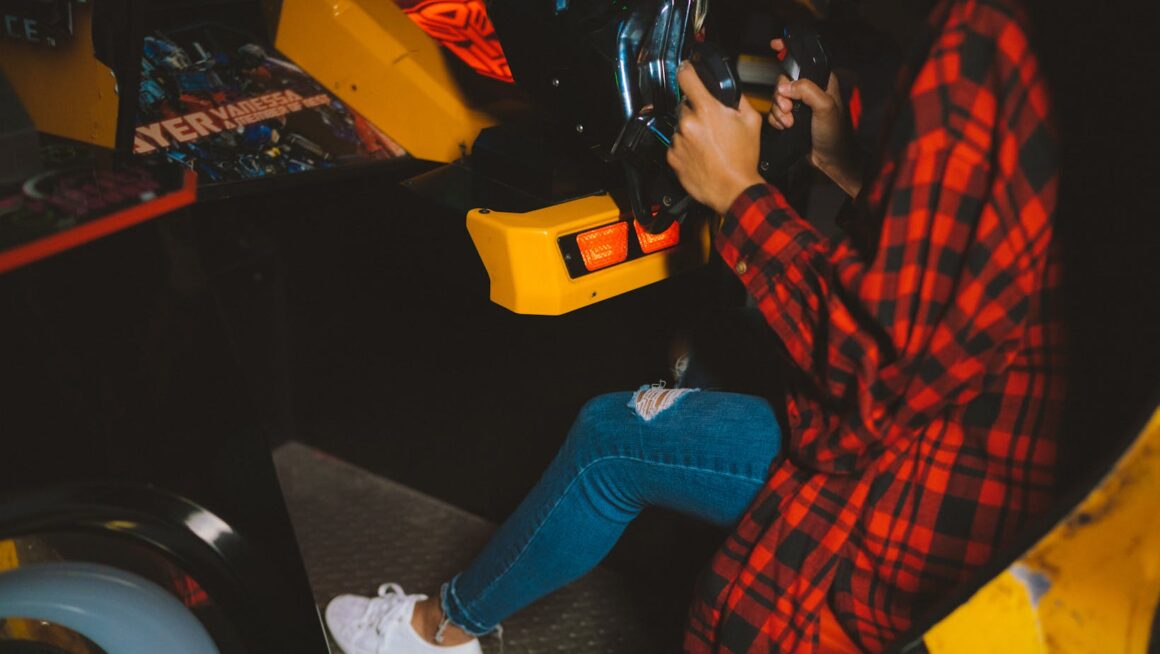
Walking into a dimly lit arcade, hearing the symphony of 8-bit soundtracks and the clack of joysticks, that’s a feeling home consoles can’t replicate. If you’ve been hunting for used arcade games for sale, you’re not just buying a game: you’re bringing home a piece of interactive history. The market for used commercial arcade games for sale has exploded in 2026, with everything from pristine ’80s classics to beat-up project machines waiting for restoration.
This guide breaks down everything you need to know before dropping your cash on a cabinet. Whether you’re chasing that Street Fighter II nostalgia or want a genuine Daytona USA twin cabinet for your game room, we’ll cover where to find them, what to inspect, how much to pay, and how to avoid getting burned by a basket case that’ll drain your wallet. No filler, just the practical intel you need to score the right machine.
Key Takeaways
- Used arcade games for sale offer significant cost savings ($300–$2,500) compared to new cabinets ($3,000–$10,000+) while providing access to discontinued classics and original hardware.
- Inspect cabinets thoroughly before purchasing: test controls and buttons, check CRT monitor quality for burn-in and convergence issues, examine internal wiring and PCBs, and verify audio system functionality.
- Source used arcade games from online marketplaces like eBay and Facebook Marketplace, specialized dealers, liquidation auctions, and local collector communities for the best deals and selections.
- Calculate total ownership costs including purchase price, shipping ($200–$600), repairs, and restoration labor before deciding between fully restored machines and DIY project machines.
- Plan proper transportation, electrical setup (standard 120V household current), space requirements (3–6 feet depth depending on cabinet type), and climate-controlled storage to preserve your investment long-term.
- Join arcade enthusiast communities like KLOV Forums and r/cade for technical support, rare parts sourcing, and expert guidance on maintenance, repairs, and preservation of your machines.
Why Buy Used Arcade Games Instead of New?
Cost Savings and Value Proposition
New arcade cabinets, when you can even find them, run anywhere from $3,000 to $10,000+, especially if you’re looking at licensed modern units or boutique manufacturers. Meanwhile, used arcade games typically range from $300 for beat-up classics to around $2,500 for fully restored premium titles. That’s a massive savings envelope, especially if you’re willing to do minor repairs yourself or buy from motivated sellers.
The value proposition gets even better when you consider depreciation. A new cabinet loses resale value the moment it leaves the warehouse. A well-maintained used machine, especially a sought-after title, can actually appreciate over time as collectors drive up demand and working units become scarcer.
Access to Classic and Discontinued Titles
You can’t walk into a store and buy a new Galaga, Ms. Pac-Man, or Mortal Kombat II cabinet. Those production lines shut down decades ago. The only way to own authentic hardware is through the used market. Sure, modern multi-cade systems exist, but they’re emulation boxes dressed up to look retro, not the real deal with original PCBs, CRTs, and period-correct components.
For fighting game enthusiasts, getting an original Marvel vs. Capcom 2 or Capcom vs. SNK 2 cabinet means playing on hardware designed specifically for those games, with the right stick tension, button spacing, and display lag characteristics that competitive players care about. Modern LCD conversions just don’t hit the same.
Nostalgia and Authenticity Factor
There’s something visceral about playing on the actual machine you pumped quarters into as a kid. The weight of the controls, the curve of the CRT screen, even the smell of the cabinet wood and electronics, all of it triggers memories in a way a Raspberry Pi build can’t match. Authenticity matters to collectors and enthusiasts who want the genuine article, not a simulation.
Plus, owning a piece of arcade history makes for a killer conversation starter. A fully functional Donkey Kong or OutRun cabinet in your game room immediately establishes credibility with anyone who walks in. It’s not just decoration: it’s a playable museum piece that represents gaming’s formative era.
Types of Used Arcade Games Available
Classic Cabinets from the Golden Age
When most people think “arcade game,” they picture titles from roughly 1978-1985: Pac-Man, Space Invaders, Asteroids, Donkey Kong, and Centipede. These upright cabinets typically feature vector displays or raster CRTs, simple two-way or four-way joysticks, and one or two buttons. They’re the most iconic and often the most sought-after by collectors.
Availability varies wildly. Common titles like Pac-Man show up regularly because Midway manufactured tens of thousands of units. Rarer games like Tron or Dragon’s Lair command premium prices due to limited original production runs. Expect golden age cabinets to range from $400 for common titles in rough shape to $3,000+ for pristine, rare specimens.
Fighting Game Cabinets
The fighting game boom of the ’90s gave us legendary cabinets like Street Fighter II, Mortal Kombat, The King of Fighters, and Tekken. These machines typically feature six-button layouts (or four for MK), robust joysticks rated for heavy competitive use, and dedicated control panels designed for two-player head-to-head action.
Many of the competitive fighting game enthusiasts hunting for these cabinets want specific versions, Japanese candy cabs for their flexibility and authentic feel, or original American dedicated cabinets for nostalgia. Candy cabs (like Sega’s Astro City or Taito’s Egret II) are particularly hot in 2026 because they accept multiple game boards and are easily repairable.
Racing and Driving Simulators
Sit-down racing cabinets like Daytona USA, Initial D, Sega Rally, and Cruis’n USA offer an immersive experience no home setup can match. These beasts feature force-feedback steering wheels, gas and brake pedals, gear shifters, and often motion simulation seats that tilt and shake with the action.
The catch? They’re massive, heavy (some twin setups weigh over 800 pounds), and require serious floor space. Transport and setup are legitimate challenges. But for sim racing fans who want the real arcade experience, nothing else compares. Prices range from $800 for single-seat units in fair condition to $5,000+ for linked twin cabinets or premium titles like OutRun 2.
Light Gun and Shooting Games
Classic light gun games like Time Crisis, House of the Dead, Virtua Cop, and Point Blank remain popular for their simple, adrenaline-pumping gameplay. These cabinets use CRT monitors (light guns don’t work with LCDs without modification) and feature recoil-simulating guns mounted on the cabinet or tethered with flexible cables.
These machines face a unique challenge: CRT replacement and calibration. Finding replacement tubes is getting harder, and proper gun calibration requires technical knowledge. Still, working units remain highly playable and sought-after for home arcades and game rooms. Budget $600-$2,500 depending on title and condition.
Pinball Machines
While technically not video games, pinball machines occupy the same nostalgic space and often appear alongside arcade cabinets in collections. Machines from manufacturers like Williams, Bally, and Stern span decades, from electromechanical classics of the ’70s to modern LCD-equipped tables.
Pinball requires more hands-on maintenance than video games, rubber rings wear out, flipper mechanisms need rebuilding, and playfield wear affects ball physics. But the tactile, mechanical gameplay offers something entirely different from digital entertainment. Prices vary enormously based on title rarity and condition, from $1,000 for common ’90s tables to $10,000+ for holy grails like Medieval Madness or The Addams Family.
Where to Find Used Arcade Games for Sale
Online Marketplaces and Auction Sites
eBay remains the 800-pound gorilla for arcade sales, with hundreds of listings at any given time. You’ll find everything from parts-only basket cases to museum-quality restorations. The advantage is buyer protection and a massive selection: the downside is shipping costs (often $200-$500 for a full cabinet) and the inability to inspect before purchase.
Facebook Marketplace has become the go-to for local sales. Search your area plus a 100-150 mile radius to find machines you can inspect in person before buying. The quality of sellers varies dramatically, you might find a knowledgeable collector downsizing or someone who inherited grandpa’s dusty Galaga and has no idea what it’s worth.
Craigslist still hosts arcade listings, though the platform has declined in recent years. It’s worth checking, especially in major metro areas, but expect more scams and flakes than on Facebook Marketplace.
Specialized Arcade Retailers and Dealers
Dedicated arcade dealers like Arcade Specialties, BMI Gaming, and Game Room Solutions maintain inventories of restored and as-is machines. These businesses typically offer warranties on refurbished units, handle shipping logistics, and can source specific titles if you’re willing to wait.
The trade-off is price. Dealer-restored machines command premium pricing, sometimes 50-100% more than comparable private-party sales, but you’re paying for expertise, guaranteed working condition, and accountability. For buyers who want zero risk and maximum convenience, dealers make sense.
Local Classifieds and Community Groups
Beyond the big platforms, regional classifieds and arcade enthusiast forums can yield gems. Sites like OfferUp and Nextdoor host occasional listings from sellers who don’t bother with eBay or Facebook. Reddit’s r/cade and various regional arcade collecting groups on Facebook often feature private sales among community members.
Networking with local collectors can unlock off-market opportunities. Many serious collectors cycle through machines regularly and sell to trusted buyers before listing publicly. Joining a local arcade collecting club or attending regional shows like arcade history events puts you in the loop for these deals.
Arcade Liquidation Sales and Auctions
When arcades, bars, or entertainment venues close, their game inventories hit the market, often at fire-sale prices. Liquidation auctions (both online and in-person) offer opportunities to grab working machines below market value, though competition can be fierce.
Auction houses like Morphy Auctions and regional liquidators occasionally run game room and arcade equipment sales. Online auction platforms specific to commercial equipment sometimes list arcade games from defunct businesses. The key is monitoring these sources regularly because the good stuff moves fast.
What to Look for When Inspecting a Used Arcade Machine
Cabinet Condition and Cosmetic Damage
Start with the big picture. Are the side art and marquee original or reproductions? Original artwork in good condition adds significant value. Check for water damage, warped wood, swelling at the base, or staining indicates the cabinet sat in a damp environment. That’s a red flag for potential mold and structural integrity issues.
Examine the coin door, lock mechanisms, and T-molding (the rubber edging around the cabinet). Missing or damaged T-molding is easy to replace, but extensive cabinet damage might require professional restoration. Surface scratches and minor wear are normal: deep gouges, broken panels, or amateur repair attempts (looking at you, duct tape and zip ties) should factor into price negotiations.
Monitor and Screen Quality
For CRT-based machines, the monitor is the single most expensive and difficult component to replace. Power on the game and look for:
- Burn-in: Permanent ghost images from static elements like score displays. Minor burn-in is common: severe burn-in makes games hard to see.
- Color convergence: Red, green, and blue guns should align perfectly. Misalignment creates fuzzy, rainbow-edged graphics.
- Brightness and geometry: The image should be bright, centered, and properly scaled without bowing or distortion.
- Flickering or rolling: Indicates failing capacitors or power supply issues.
According to maintenance guidelines covered by gaming tech resources, a replacement arcade CRT runs $200-$600 if you can find one, plus installation. Factor that into your offer if the monitor shows problems.
Controls, Buttons, and Joysticks
Play the game. Seriously. Mash all the buttons, work the joystick through its full range of motion, spin the trackball, twist the steering wheel, whatever controls the cabinet has. Buttons should feel crisp and responsive, not mushy or stuck. Joysticks should snap back to center and register all directions without dead zones.
Microswitches (the actual switches under buttons and joysticks) are consumable parts and easy to replace, but it’s negotiating leverage if multiple controls feel wonky. Trackballs should spin freely without grinding noises. For driving games, test the force feedback and pedal resistance across their full travel.
PCB, Wiring, and Internal Electronics
Open the cabinet and inspect the guts. Look for:
- Original PCB vs. jamma board: Original game PCBs are preferred by purists. JAMMA boards (standardized connectors that allow swapping games) offer flexibility but may indicate the cabinet isn’t in original configuration.
- Wiring condition: Brittle, cracked insulation or hacked-together wire splices suggest amateur repairs or age-related deterioration.
- Corrosion and battery leakage: Old game boards used batteries for save data that leak over time, corroding traces. This can render boards non-functional.
- Modifications and board swaps: Not inherently bad, but you should know what you’re getting.
If the seller won’t let you open the cabinet, walk away. Period.
Sound System and Audio Components
Test the audio at various volume levels. Crackling, cutting out, or distortion indicates failing amplifiers or bad speaker cones. One dead channel in a stereo setup is common but fixable. Complete audio failure could be the amp, the PCB audio section, or wiring, diagnosis gets complicated.
Reproduction speaker grilles and replacement speakers are available, but original audio systems (especially for games with distinctive sound like Dragon’s Lair or Paperboy) add authenticity value.
Price Ranges and What to Expect in 2026
Budget-Friendly Options Under $500
This tier includes common golden age titles in fair-to-rough condition, project machines needing restoration, and less-popular titles that flooded arcades in their day. Think Galaga clones, generic cocktail tables, or Golden Tee units from the early 2000s that are outdated.
You can absolutely find playable machines in this range if you’re patient and flexible about titles. A working Ms. Pac-Man might run $400-$500 with cosmetic wear. Machines at the bottom of this range ($200-$300) typically need repairs, monitor work, control replacement, or PCB troubleshooting.
Budget machines make sense for first-time buyers who want to learn restoration skills, or for those who care more about functionality than collecting specific titles. Just don’t expect museum pieces.
Mid-Range Machines ($500-$2000)
The sweet spot for most buyers. This range covers:
- Popular golden age titles in good-to-excellent condition
- Common fighting game cabinets like Street Fighter II: Champion Edition or Mortal Kombat II
- Decent racing cabinets like Cruis’n USA or single-seat Daytona USA
- Light gun games in working condition
- Restored or refurbished common titles from dealers
A fully functional, cosmetically solid Donkey Kong or Centipede runs $1,200-$1,800 in this market. Restored dealer machines with warranties sit at the top of this range. Private-party sales of the same titles in original condition cluster around $800-$1,200.
This tier represents the best value proposition for buyers who want recognizable, playable classics without paying collector premiums. Those interested in restoring their own machines can often find rough examples at the bottom of this range.
Premium and Rare Collectibles ($2000+)
Top-tier pricing applies to:
- Rare or low-production titles (Tron, Dragon’s Lair, Star Wars, Tempest)
- Museum-quality restorations of classics
- Highly sought-after fighting game cabinets (Japanese candy cabs, Marvel vs. Capcom 2)
- Multi-game luxury setups and twin racing cabinets
- Limited-run modern boutique cabinets
A pristine original Star Wars cockpit cabinet can fetch $5,000-$8,000. Twin-linked Daytona USA or Initial D setups command similar money. Immaculate Tron cabinets with environmental protection and original everything have sold for over $10,000 at auction.
At this level, you’re paying for rarity, condition, and collectibility. These aren’t impulse purchases, they’re investments for serious collectors building showcase game rooms.
Restoration vs. As-Is: Which Should You Choose?
Buying Fully Restored Machines
Restored machines from reputable dealers or skilled private sellers offer plug-and-play convenience. A proper restoration includes:
- Cabinet stripping, repair, and refinishing
- New or reproduction side art and marquees
- Rebuilt or replaced controls with new microswitches
- Serviced or replaced monitor
- Cleaned and tested PCB with battery replacement
- New T-molding, locks, and hardware
- Full functionality testing
You’ll pay premium pricing, often 100-150% of as-is value, but you’re buying a turnkey machine with minimal risk. For buyers without technical skills, limited time, or low risk tolerance, restored machines make perfect sense. Some sellers even offer limited warranties.
The downside? You miss the satisfaction of bringing a basket case back to life, and you’re trusting someone else’s restoration standards. Not all “restorations” are equal, some are professional-grade work, others are quick flips with reproduction parts.
Project Machines for DIY Enthusiasts
Project machines range from “needs minor work” to “pile of parts in a garage.” Pricing reflects the amount of work required. A machine with a dead monitor but otherwise functional might run 40-50% less than a working example. A complete basket case with missing parts might sell for parts value only.
The appeal for DIY buyers:
- Significantly lower purchase price
- Satisfaction of restoration work
- Learning experience in electronics, woodworking, and mechanics
- Ability to customize and upgrade during restoration
- Potential profit if you restore and resell
The risks:
- Unexpected issues during disassembly
- Parts availability (especially obsolete components)
- Time investment (dozens to hundreds of hours for full restoration)
- Skill requirements (soldering, woodworking, monitor repair)
- Potential to spend more than buying restored
Project machines work best for those who enjoy the journey as much as the destination, or who have restoration skills and want to build sweat equity.
Calculating Total Investment and ROI
Before buying, run the math on total cost:
Purchase price + transport/shipping + repairs/parts + restoration labor (if paying someone) + space setup costs (electrical, flooring, etc.)
For a project machine, add up realistic parts costs. Replacement monitors ($200-$600), new control sets ($50-$200), reproduction artwork ($100-$300), wood repair materials ($50-$150), it adds up fast. A $300 basket case can easily become a $1,200 total investment after restoration.
Compare that number to the market value of a fully restored example. If your total investment approaches or exceeds the restored value, you’re doing it for love of the craft, not profit. That’s fine, just be honest about your motivations.
For collectors viewing machines as investments, focus on rare titles with appreciation potential. Common games rarely appreciate significantly, but properly maintained rare cabinets can become more valuable as working examples become scarcer.
Transporting and Setting Up Your Arcade Machine
Shipping and Delivery Considerations
Arcade cabinets are heavy (150-350 pounds for uprights, more for sit-down units) and bulky. If buying locally, rent a cargo van or pickup truck. Never transport a cabinet on its back or side, internal components can shift and damage. Keep it upright and secured with straps.
For distant purchases, freight shipping runs $200-$600 depending on distance and whether you want liftgate service (highly recommended unless you have a loading dock). Get quotes from uShip, FreightCenter, or specialized arcade shippers. Always insure for full value.
Most shippers deliver curbside only. That means you need help getting the machine inside. Recruit friends or hire movers familiar with heavy equipment. A furniture dolly rated for 600+ pounds is essential. Narrow doorways, stairs, and tight corners make delivery challenging, measure everything twice.
Space Requirements and Room Planning
Upright cabinets need roughly 3 feet wide by 3 feet deep, plus player space (another 3-4 feet in front). Sit-down racers and cockpit games require 5-6 feet deep and significant clearance. Don’t forget ceiling height, standard cabinets are 5.5-6.5 feet tall.
Consider the full game room layout. Multiple machines need spacing for comfortable play and maintenance access. You’ll need room to open the back panel for repairs. Factor in ambient lighting (arcade games look best in dimmer environments) and ventilation, CRT monitors generate heat.
Flooring matters. Carpet works fine for standard uprights. Heavier machines or those with force feedback might need harder surfaces. Some collectors build raised platforms for aesthetic effect or to protect flooring.
Electrical and Power Needs
Most arcade games run on standard 120V household current and draw 2-5 amps (240-600 watts), about the same as a modern gaming PC. A typical 15-amp household circuit can handle 2-3 machines comfortably. Larger games with multiple monitors or motion systems might draw more.
Use surge protectors rated for the total amperage. Power fluctuations can damage sensitive electronics. Some collectors install dedicated circuits for their game rooms, especially when running 5+ machines simultaneously.
Older games might have two-prong plugs lacking a ground connection. Modern safety standards require grounding, use a properly installed three-prong outlet and ensure the cabinet’s metal frame is grounded. This isn’t optional: it’s a shock hazard if ignored.
According to gaming setup guides, proper electrical planning prevents tripped breakers and potential fire hazards in high-equipment-density rooms.
Maintenance and Long-Term Care Tips
Routine Cleaning and Upkeep
Regular maintenance keeps machines running smoothly:
Weekly:
- Wipe down controls and high-touch surfaces
- Quick visual check for loose parts or unusual sounds
- Blow dust from monitor vents and fan openings
Monthly:
- Thorough dusting of internals (power off first)
- Clean monitor screen with appropriate cleaner (never use Windex on CRTs)
- Check coin door mechanisms and locks
- Test all controls and buttons for responsiveness
Annually:
- Deep clean and inspect all wiring connections
- Check capacitor health (bulging caps are early warning signs)
- Lubricate moving parts (joysticks, coin mechanisms)
- Inspect T-molding and cabinet for new damage
Proper storage matters. Avoid damp basements (humidity kills electronics and wood) and direct sunlight (fades artwork). Climate-controlled spaces preserve machines best. The lasting appeal of arcade games depends heavily on preservation efforts.
Common Repairs and Replacement Parts
You’ll eventually need to replace consumable parts:
Microswitches: Standard Cherry and Omron switches are readily available. Budget $1-3 per switch.
Joysticks: Quality replacements from Sanwa, Seimitsu, or Happ run $15-50. Specific vintage sticks cost more.
Buttons: Reproduction buttons for most classics are available for $2-8 each. Illuminated buttons cost more.
Capacitors: Electrolytic caps dry out over time. Full recap kits for common boards run $20-80 (plus soldering skills).
Fuses: Keep spares on hand ($1-2 each). Blown fuses often indicate deeper electrical issues.
Artwork: Reproduction side art and marquees are available for popular titles ($100-400 depending on complexity).
Source parts from Arcade Surplus, Suzo-Happ, Paradise Arcade Shop, or Mike’s Arcade. eBay and specialty forums often have hard-to-find components.
Finding Technicians and Support Communities
When repairs exceed your skill level, finding qualified help is essential. Local arcade collectors often do side work, ask in regional Facebook groups or forums. Some pinball/arcade repair shops service both. Expect hourly rates of $50-100 for skilled technicians.
Online communities are invaluable:
- KLOV Forums (Killer List of Videogames): Deep technical knowledge and parts identification
- r/cade on Reddit: Active community for troubleshooting and advice
- Arcade-Museum forums: Comprehensive technical documentation
- Facebook arcade collecting groups: Regional and national groups for buying, selling, and troubleshooting
These communities contain decades of collective knowledge. Most arcade issues have been solved before, someone just needs to point you to the right thread.
Legal and Licensing Considerations
Home Use vs. Commercial Use
For personal home use, used commercial arcade games for sale can be purchased and operated without additional licensing. You own the physical hardware and the ROM chips containing the game code. Playing them in your house is perfectly legal.
Commercial use is different. If you’re placing machines in a business (bar, restaurant, arcade) where they generate coin revenue, you may need:
- Business licenses and permits (varies by jurisdiction)
- Liability insurance
- Compliance with local coin-operated device regulations
- Potentially, licensing agreements for newer games
Vintage arcade games from defunct manufacturers generally don’t require active licenses for commercial use since the rights holders no longer exist or don’t enforce claims. Modern games or those from active publishers might. Consult with a business attorney before going commercial.
Understanding ROM and Software Legality
The ROM chips in arcade games contain copyrighted software. Owning the physical ROM is legal. Downloading ROM files from the internet, even for games you own, occupies a legal gray area that’s technically copyright infringement.
Most vintage arcade game publishers don’t actively pursue ROM distribution cases, but that doesn’t make it legal. For machines with failed ROMs, you can:
- Purchase replacement ROM chips from vendors who burned new copies (legal if they have rights, questionable otherwise)
- Replace the PCB with a working one
- Use legitimate multi-game boards with licensed software
Using emulation boards (JAMMA boards running emulators) is common but technically involves running copied ROMs. For home use, enforcement is virtually non-existent. For commercial deployment, the risk is higher.
Some manufacturers like Capcom and Namco have released official emulation-based hardware for their classic titles. These are fully legal options, though purists prefer original PCBs. Information about arcade driving games and their ROM preservation efforts highlights the complexity of this issue.
Conclusion
Buying a used arcade machine in 2026 isn’t a simple transaction, it’s an investment in nostalgia, a technical project, and a piece of gaming history all rolled into one. Whether you’re dropping $400 on a rough Centipede project or $5,000 on a pristine Star Wars cockpit, you’re bringing home something that can’t be replicated by emulation or modern gaming.
The market offers incredible variety if you know where to look and what to check. Inspect thoroughly, negotiate based on actual condition, and be realistic about restoration costs and your own skill level. Join the community, collectors are passionate about preserving these machines and helping newcomers avoid costly mistakes.
Most importantly, buy a game you actually want to play. The best arcade machine is the one that makes you smile every time you fire it up, whether it’s a flawless museum piece or a weathered survivor with character scratches and faded art. Now get out there and find your perfect cabinet.