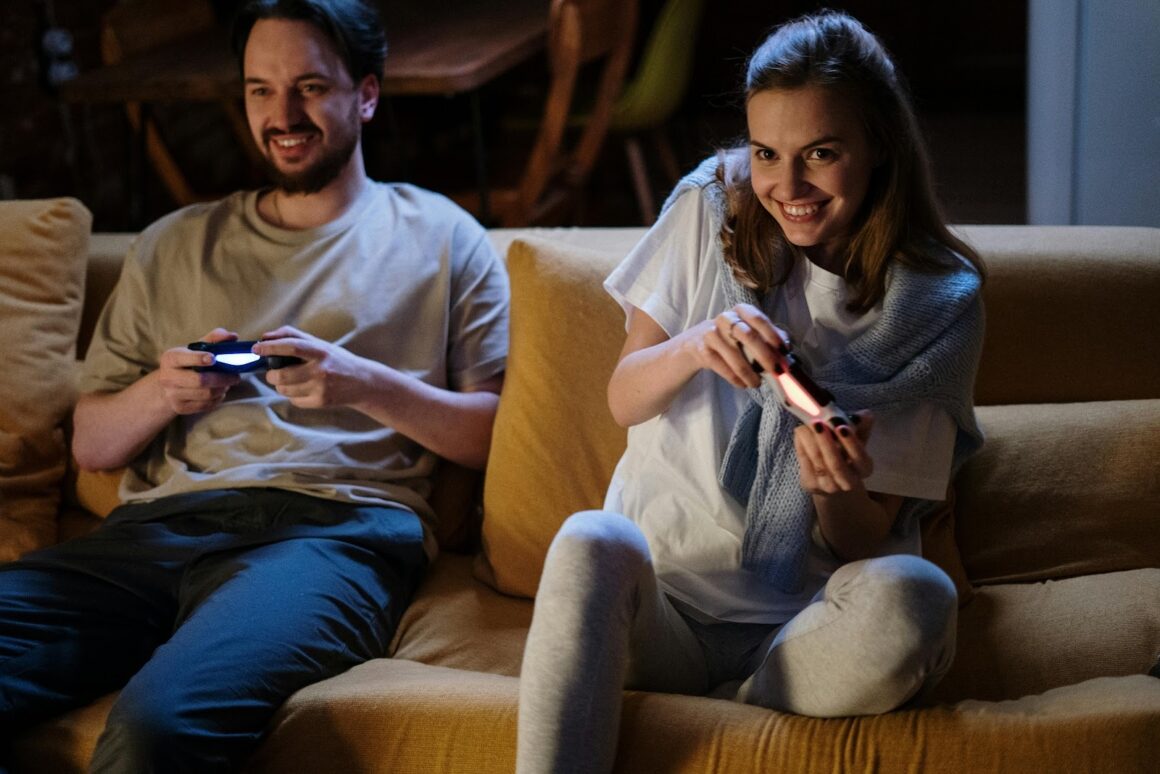
Multiplayer gaming has certainly transformed from living room co-ops to global competitions. Digital platforms now enable players to really connect, compete and interact like never before.
A recent study by the International Games and Entertainment Association (IGEA) and Bond University found that, “87% of Australian gamers play on console, followed by 71% on smartphone and 58% on PC. The study also found that the average age of Australian players is 35 years old, with 81% over the age of 18” (gamesindustry.biz, 2025).
Australians have clearly embraced the social and interactive aspects of gaming, with multiplayer titles becoming very much a cornerstone of home entertainment. From casual weekend gaming sessions with friends to fully online communities, players now connect across cities, states and even countries. Over the Tasman, New Zealand gamers are experiencing similar trends, showing that the desire for shared digital experiences really does transcend borders.
From Couch Co-op to Global Competition
Multiplayer gaming has come a long way since the days of split-screen consoles and local network play. What once required players to be physically together can now be achieved entirely online. Fast internet and modern gaming consoles allow Australians to compete in real-time with players on the other side of the country or even around the globe.
Games like FIFA 24, Call of Duty: Modern Warfare II and Rocket League now include extensive online matchmaking systems. These platforms balance skill levels, ensuring fair competition while encouraging collaboration and teamwork. The globalisation of gaming has expanded communities beyond local friends and family, connecting Australians to a broader network of like-minded players.
This shift has also encouraged cross-platform play, enabling PC, console, and mobile users to compete together seamlessly. With regular updates, seasonal events and community challenges, players stay engaged and connected, forming social bonds that extend well beyond traditional gaming environments.
The Role of Social Platforms in Modern Gaming
Social media and dedicated gaming platforms have become integral to multiplayer experiences. Discord, Twitch and other community tools enable players to communicate, stream gameplay, and share achievements with friends and followers. Streaming has added a spectator element, turning casual gaming sessions into content that others can watch, learn from and enjoy.
Community features also encourage collaboration and strategy, allowing players to form clans, guilds, or leagues. In Australia, such platforms are heavily used for esports communities, while New Zealand players also engage in competitive networks that mirror international trends. These platforms highlight how social interaction now drives engagement in multiplayer gaming.
Interactive Features That Keep Players Engaged
Modern multiplayer games incorporate interactive elements designed to retain attention and increase engagement. Live events, tournaments and reward systems motivate players to participate more actively.
Exploring real-money gaming has become increasingly accessible, with platforms offering interactive challenges, competitive experiences and curated bonuses to enhance at-home play. Players can enjoy high-stakes entertainment in a secure environment and compare options. For those seeking trusted platforms with fast payouts, you can see casino.co.nz’s selection of real money casinos, which identify top-rated sites that balance excitement and reliability.
Beyond wagering, games include in-game achievements, seasonal challenges and competitive leaderboards that encourage repeated participation. These features, whether in traditional multiplayer titles or online casino games, demonstrate the growing expectation for engaging, interactive experiences across platforms.
Monetisation and Reward Systems in Multiplayer Worlds
Reward systems in multiplayer games have evolved to create immersive and motivating experiences. Microtransactions, loot boxes and subscription services provide optional enhancements while offering developers sustainable revenue streams. Many platforms incorporate achievements and unlockable content, providing tangible goals for players.
This monetisation model is also reflected in online casino-style games, where bonus systems and exclusive offers mirror the rewards found in traditional gaming. Australian players often participate in events or promotions integrated into their favourite multiplayer titles, while New Zealand platforms are similarly adopting these engagement mechanisms.
Guides like MeltingTopGames.com highlight both traditional and digital reward trends, including games like Apex Legends, illustrating how interactive incentives are shaping gameplay and retention.
The Future of Multiplayer Gaming
Looking forward, immersive technologies such as virtual reality (VR) and augmented reality (AR) are redefining what multiplayer experiences can be. VR headsets and AR-enabled devices allow players to interact within shared digital spaces, blending the physical and virtual worlds.
These technologies also open opportunities for interactive entertainment that includes competitive and social wagering elements, offering players innovative ways to play, connect, and challenge one another. Titles like Minecraft Dungeons demonstrate how cooperative and competitive multiplayer experiences can evolve across platforms, supporting both casual and hardcore players.
Cloud gaming, cross-platform play and adaptive AI are also shaping the next generation of multiplayer environments. These tools will ensure that games remain accessible, exciting and social, allowing players to continue connecting across distances while enjoying complex, immersive gameplay.
Multiplayer gaming has transformed from a local pastime into a global, interactive ecosystem. Australians now connect with friends, family and strangers through online competitions, social platforms and immersive experiences. Over the Tasman, New Zealand players are embracing similar trends, reflecting a regional appetite for connected, engaging digital entertainment.
The integration of interactive features, reward systems and evolving technologies ensures that multiplayer gaming continues to captivate audiences. Platforms that include wagering or online casino elements illustrate how digital entertainment can expand beyond traditional gaming. By choosing reliable services, exploring curated platforms and engaging with modern tools, players across Australia and New Zealand can enjoy rich, social and rewarding multiplayer experiences.