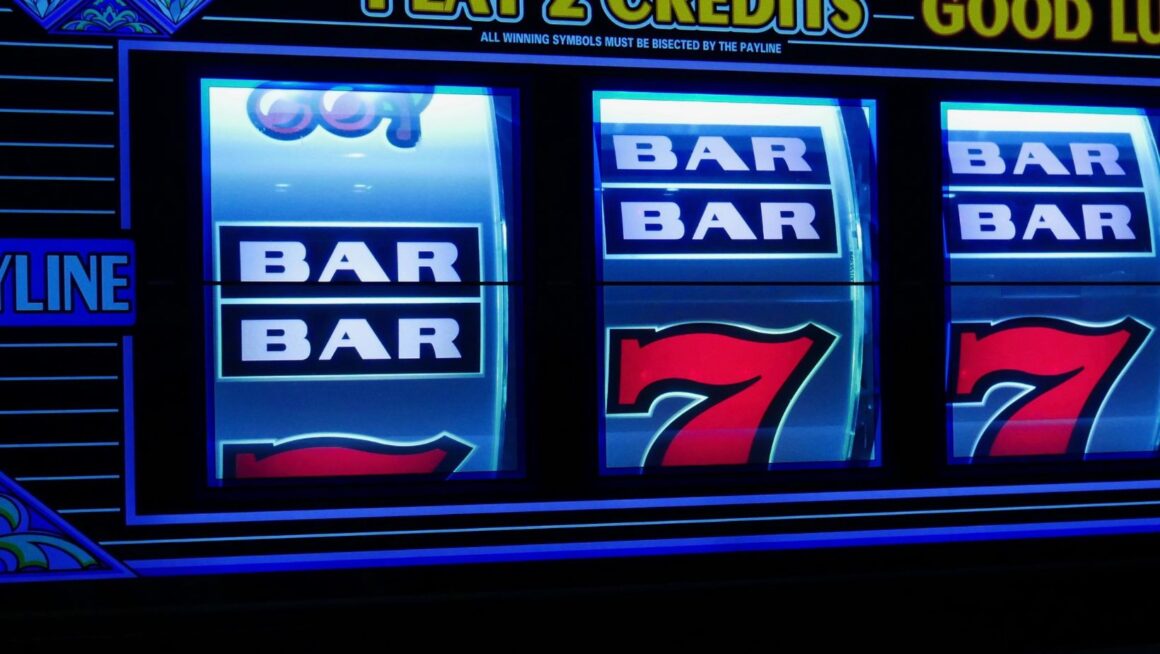
The casino gaming landscape has undergone a remarkable transformation in recent years, with a nostalgic return to classic gameplay mechanics now coexisting alongside cutting-edge RTP (Return to Player) standards. This fusion represents a strategic pivot by leading game studios to satisfy both traditionalists and modern players seeking favorable mathematics. As we approach 2025, this trend has solidified into a distinct market segment, with projections showing a 23% growth in retro-modern hybrid games by 2026. The marriage of vintage charm with contemporary payout structures has created a uniquely appealing gaming category that bridges generational preferences.
Evolution of Casino Game Mathematics
The mathematical foundations of casino games have evolved significantly since the early days of mechanical slot machines. Traditional games from the 1950s-1980s typically featured RTPs between 75-85%, significantly lower than today’s standards. Modern digital gaming platforms now routinely offer RTPs exceeding 96%, with some titles reaching 98% or higher.
This evolution reflects both regulatory pressure and market competition. According to industry data from Gaming Innovation Group, the average RTP across all Casino SkyCrown online slot titles increased from 94.2% in 2015 to 96.3% in 2024, with projections suggesting a further rise to 96.8% by 2026.
Technical Aspects of RTP Implementation
RTP implementation in modern games differs fundamentally from classic mechanics:
- Variable RTP settings allowing operators to adjust within approved ranges
- Sophisticated random number generation with enhanced entropy sources
- Transparent mathematical models subject to third-party verification
- Dynamic RTP adjustments based on bonus features activation
Pioneering Studios Leading the Retro-Modern Movement
Several game development studios have established themselves as leaders in combining nostalgic mechanics with competitive RTP structures. Their approach typically involves preserving core gameplay elements while modernizing the mathematical models.
Key Players in the Retro-Modern Casino Space
| Studio | Signature Mechanic | Average RTP (2025) | Projected Titles (2026) |
| NetEnt Classics | Twin Reels | 96.7% | 14 |
| Pragmatic Vintage | Hold & Win | 96.4% | 22 |
| Playtech Heritage | Multiway System | 97.1% | 19 |
| Microgaming Retro | Rolling Reels | 96.2% | 17 |
| Evolution Classic | Multiplier Ladders | 97.5% | 11 |
Player Reception and Market Performance

Market analysis from H2 Gambling Capital indicates that retro-modern hybrid games accounted for approximately 18% of total online casino revenue in 2024, with projections suggesting this could reach 25% by 2026. The demographic appeal is particularly strong among players aged 35-55, who experienced the original mechanical games in their youth but now expect modern mathematical fairness.
Critical Success Factors
The most successful retro-modern titles share several common characteristics:
- Authentic visual and audio design reminiscent of mechanical predecessors
- Simplified bonus structures that maintain the core appeal of classic games
- Transparent RTP information prominently displayed
- Volatility levels that match the expectations of the target demographic
Future Innovations in the Retro-Modern Space
As we look toward 2026, several emerging trends are likely to shape the evolution of this gaming category:
Integration of Skill Elements
A growing number of studios are experimenting with limited skill-based elements within retro frameworks. These innovations maintain the classic feel while giving players a sense of agency that can marginally affect outcomes within strictly regulated parameters.
Blockchain Verification of Classic Mechanics
Several leading developers are implementing blockchain technology to verify the authenticity of their random number generation, particularly in games that simulate mechanical outcomes. This provides players with unprecedented transparency into the fairness of games that mimic physical randomization devices.
The convergence of nostalgic mechanics with modern RTP standards represents one of the most interesting developments in casino gaming design. As we move through 2025 and into 2026, this hybrid approach will likely continue to evolve, offering players the best of both worlds – the charm of casino gaming’s golden age with the fairness expected in contemporary gaming environments.