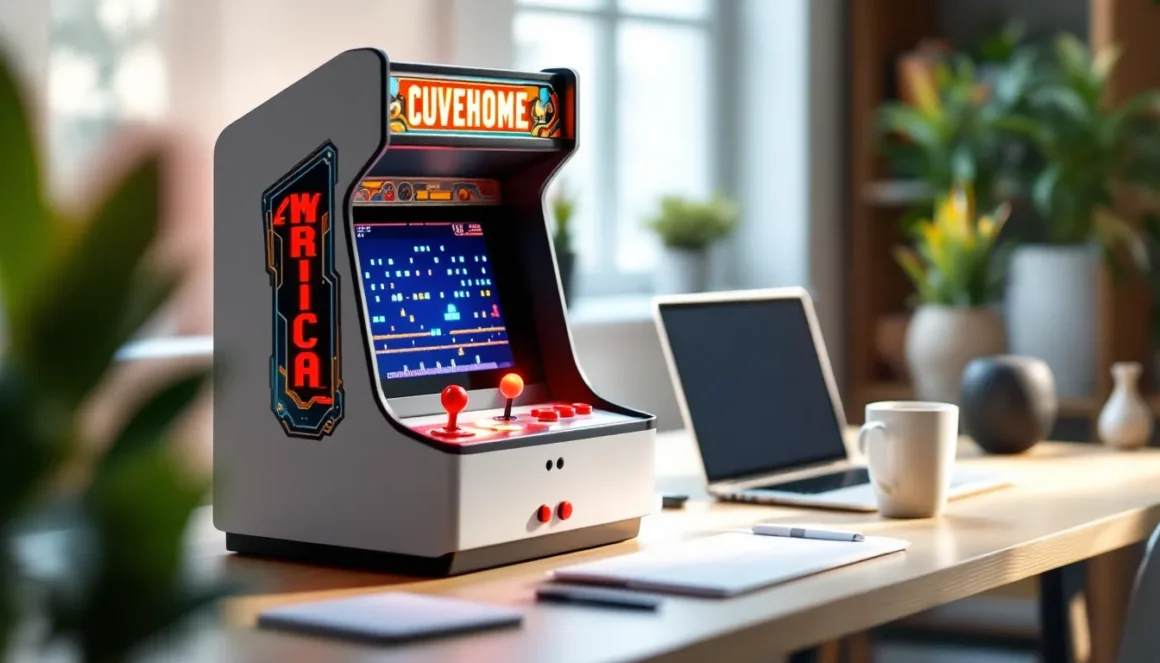
The glow of a tiny CRT-style screen. The satisfying click of a joystick no bigger than your thumb. The unmistakable 8-bit chirp of a game-over jingle. Mini arcade games have carved out a surprisingly robust niche in 2026, bridging nostalgia with genuine portability. They’re not just novelties, many pack authentic controls, high-quality displays, and game libraries that rival their full-size ancestors.
Whether you’re hunting for a keychain Pac-Man to kill time on your commute, a bartop Street Fighter II cabinet for your desk, or planning a full Raspberry Pi build, the mini arcade market offers something for every level of commitment and budget. This guide breaks down what’s actually worth your money, which models deliver on their promises, and how to avoid the flood of low-effort clones cluttering online marketplaces.
Key Takeaways
- Mini arcade games have matured from novelty items into authentic gaming devices, offering licensed ROMs, quality controls, and displays that preserve the retro arcade experience across multiple form factors and price points.
- The mini arcade market now includes five distinct categories—handheld devices ($20–$30), desktop replicas ($150–$200), bartop machines ($100–$150), keychain units ($10–$15), and DIY Raspberry Pi builds ($200–$300)—each suited to different use cases and budgets.
- Officially licensed units from brands like Arcade1Up, Replicade, and My Arcade Micro Player deliver superior joystick responsiveness and authentic game behavior compared to unlicensed clones that often feature incorrect audio and visual glitches.
- Building a custom DIY mini arcade with Raspberry Pi 5 and RetroPie 5.2 costs 30–50% less than commercial units while offering unlimited game customization and control flexibility, though it requires technical setup and careful ROM sourcing.
- The future of mini arcade gaming includes cloud connectivity for online leaderboards, modular game libraries via cartridge-based systems, improved OLED displays, and right-to-repair initiatives that could redefine the category beyond nostalgia-driven purchasing.
What Are Mini Arcade Games?
Mini arcade games are scaled-down versions of classic and modern arcade cabinets, designed to deliver authentic gameplay in a fraction of the physical footprint. They range from pocket-sized keychains running a single game to desktop replicas with multiple titles and fully functional controls.
Unlike emulators on your phone or PC, most mini arcades aim for hardware authenticity, physical joysticks, tactile buttons, and screens designed to mimic the aspect ratios and visual feel of original CRTs. The best models don’t just shrink the cabinet: they preserve the muscle memory and tactile feedback that made arcade gaming addictive in the first place.
The Evolution of Mini Arcade Machines
The mini arcade trend kicked off in the mid-2010s with basic LCD handhelds and expanded rapidly as manufacturers realized collectors wanted more than just novelty items. Early models from Basic Fun and Super Impulse were simple single-game units with limited controls and low-res screens.
By 2020, companies like My Arcade and Arcade1Up (with their Countercade series) had raised the bar with licensed titles, improved displays, and multi-game lineups. The introduction of affordable microcontrollers and display tech made it feasible to pack dozens of games into devices smaller than a soda can.
In 2026, the market has matured. You’ll find officially licensed cabinets with Capcom, Bandai Namco, and Atari branding, plus a thriving DIY scene powered by Raspberry Pi 5 and RetroPie 5.2. The quality gap between cheap impulse buys and premium collector pieces has never been wider.
How Mini Arcades Differ from Full-Size Cabinets
Size is the obvious difference, but the distinctions run deeper. Full-size cabinets typically measure 5–6 feet tall and weigh upward of 200 pounds. Mini arcades max out around 12–18 inches for bartop models and weigh less than 10 pounds.
Controls are the real test. Full-size arcade sticks use Sanwa or Happ components with precise actuation and durability rated for hundreds of thousands of inputs. Mini arcade joysticks and buttons are scaled down, often using cheaper microswitches or membrane contacts. Premium minis like the Arcade1Up Countercade series use miniature IL Eurojoystick clones that feel surprisingly close to the real thing.
Display tech also differs. Original arcade monitors were CRTs with specific refresh rates and scanline characteristics. Most mini arcades use LCD or OLED panels with aspect ratios that approximate 4:3 or vertical orientations for shooters like Galaga. Higher-end models add scanline filters or pixel-perfect scaling to preserve the retro aesthetic.
Types of Mini Arcade Games Available Today
The mini arcade category has fragmented into distinct form factors, each with trade-offs between portability, authenticity, and price.
Handheld Mini Arcade Devices
Handheld minis are self-contained units roughly the size of a thick smartphone or Game Boy. They typically feature a 2–3 inch LCD screen, a four-way joystick, and 2–6 buttons. Battery life ranges from 2–4 hours on AAA batteries or built-in rechargeable cells.
My Arcade Micro Player series dominates this segment, with officially licensed Pac-Man, Dig Dug, Galaga, and Q*bert units. Each plays the original ROM and includes a headphone jack, crucial since the built-in speakers are tinny. Street price hovers around $20–$30.
Pros: Ultra-portable, no setup, decent battery life.
Cons: Small screens strain eyes after 15–20 minutes, controls feel cramped for larger hands, limited to 1–6 games per unit.
Desktop Replica Cabinets
These are 1/6 to 1/4 scale replicas of classic cabinets, standing 10–14 inches tall. They’re designed to sit on a desk or shelf and often include 10–20 pre-loaded games. Controls are miniaturized but functional, with joysticks that offer better throw and buttons with actual tactile feedback.
Replicade by New Wave Toys produces some of the most detailed models, including Centipede, Rampage, and Space Invaders cabinets with accurate cabinet art, marquee lighting, and coin-door details. These run $150–$200 and are aimed squarely at collectors who value presentation.
Pros: Display-worthy aesthetics, better controls than handhelds, multi-game libraries.
Cons: Not portable, mid-tier pricing, game selection locked at purchase.
Bartop Arcade Machines
Bartop models are the largest mini arcades, measuring 12–18 inches tall and designed to sit on a table or bar counter. They feature 8–10 inch displays, full-size joystick-and-button layouts (though scaled to about 70% of arcade originals), and robust game libraries, some topping 100+ titles.
Arcade1Up Countercade units are the mainstream pick, with Street Fighter, Mortal Kombat, and Pac-Man editions. They use 5–7 inch IPS panels, decent stereo speakers, and USB or HDMI output on newer 2026 models. Pricing sits between $100–$150.
For enthusiasts, custom bartop kits with Raspberry Pi 5 boards and RetroPie 5.2 offer unlimited game libraries and full control customization. The DIY arcade movement has exploded in recent years, with builders creating authentic reproductions at a fraction of commercial prices.
Pros: Near-authentic controls, large screens, extensive game libraries, some support multiplayer.
Cons: Takes up desk space, not portable, assembly required for kits.
Keychain and Micro Arcade Games
These are impulse-buy novelties the size of a car key fob or slightly larger. Super Impulse Tiny Arcade models feature 1.5-inch color screens and run simplified versions of Pac-Man, Frogger, or Tetris. They’re powered by watch batteries or coin cells and cost $10–$15.
Gameplay is limited, controls are often a single button or D-pad, but they’re legitimately playable for short bursts. Battery life is measured in days of standby, hours of active play.
Pros: Ultra-cheap, fit on a keychain, conversation starters.
Cons: Tiny screens, minimal controls, single-game units, disposable build quality.
Top Mini Arcade Games Worth Playing
Not all mini arcade libraries are created equal. Some units pack timeless classics, while others stuff their ROM lists with obscure shovelware to inflate game counts.
Classic Titles That Defined the Genre
Pac-Man remains the gold standard. Nearly every mini arcade manufacturer offers a Pac-Man variant, and the game’s simple controls translate perfectly to miniaturized joysticks. Look for units that preserve the original 224×288 vertical resolution and authentic ghost AI behavior.
Galaga and Galaxian are vertical shooters that benefit from portrait-oriented screens. The My Arcade Micro Player Galaga nails the color palette and enemy attack patterns, making it one of the better handheld options.
Street Fighter II is a litmus test for mini arcade controls. The game demands precise quarter-circle and charge inputs, so only bartop or desktop models with decent joysticks are worth considering. The Arcade1Up Street Fighter Countercade includes Turbo, Championship Edition, and Hyper Fighting variants, plus Super Puzzle Fighter II Turbo as a bonus.
Donkey Kong and Donkey Kong Jr. appear on several multi-game units. The platforming precision required makes these games challenging on cramped controls, but the Replicade Donkey Kong cabinet handles them well thanks to its slightly larger joystick.
According to coverage on Game Rant, classic arcade compilations continue to dominate sales charts in 2026, proving that these titles haven’t aged a day in terms of pure gameplay appeal.
Modern Releases and Hidden Gems
While retro titles dominate, a few modern releases have carved out space in the mini arcade scene. Downwell, a vertical roguelike shooter originally released in 2015, received a limited-run mini arcade cabinet in 2025. Its one-button, one-stick control scheme is a perfect fit for the format.
Vampire Survivors got an unofficial bartop treatment via custom RetroPie builds in late 2025. The game’s minimalist controls and retro aesthetic make it feel native to the platform.
Hidden gems worth hunting down include Burgertime, Joust, and Defender on multi-game units. These games rarely get standalone mini cabinets but shine when included in curated collections like the Arcade1Up Class of ’81 Countercade.
Some manufacturers have started licensing indie games for mini arcade releases. Celeste and Shovel Knight both saw limited bartop runs in 2025–2026, though availability remains spotty outside collector circles.
Best Mini Arcade Machines to Buy in 2026
The market is flooded with options. Here’s what actually delivers value at different price tiers.
Budget-Friendly Options Under $50
My Arcade Micro Player Series ($20–$30): These officially licensed handhelds are the best bang-for-buck in the sub-$50 range. The Pac-Man, Galaga, and Dig Dug models all use original ROMs and play identically to arcade originals. Controls feel cheap but functional. Battery life averages 3 hours on three AAA cells.
Super Impulse Tiny Arcade ($10–$15): Novelty-tier but legitimately playable. The Pac-Man and Tetris versions are the standouts. Don’t expect marathon sessions, but they’re solid impulse buys or stocking stuffers.
Thumbs Up Retro Arcade Machine ($35–$45): A multi-game bartop knockoff with 200+ games, mostly unlicensed ROMs. Build quality is middling, expect wobbly joysticks and a washed-out 5-inch LCD, but the sheer game variety makes it a decent entry point for kids or casual players.
Premium Models for Serious Collectors
Replicade Cabinets ($150–$200): These are the collector’s choice. The Centipede, Missile Command, and Rampage models feature museum-quality cabinet artwork, working marquee lights, and coin doors that open (though they don’t accept coins). Controls use custom-tooled miniature joysticks and buttons that feel closer to arcade spec than anything else in this size class.
Games run on licensed ROMs with authentic sound chips. Display is a 2.75-inch IPS panel with pixel-perfect scaling and optional scanline filters.
Arcade1Up Countercade Series ($100–$150): The best balance of price, performance, and game selection. The 2026 lineup includes:
- Mortal Kombat Countercade (MK1, MK2, MK3, Ultimate MK3)
- Street Fighter Countercade (SF2, Turbo, CE, Hyper Fighting)
- Pac-Man 40th Anniversary Countercade (Pac-Man, Ms. Pac-Man, Galaga, Galaxian)
All feature 7-inch IPS displays, adjustable volume, and improved joystick mounts over earlier models. The Street Fighter unit is the pick if you’re only buying one, the game library has the most depth.
Evercade VS + Irem Arcade 1 Cart ($100 + $20): Technically a home console, but the Evercade VS supports arcade-style vertical orientation and includes ports for arcade sticks. The Irem Arcade 1 cartridge includes R-Type, Image Fight, and Moon Patrol, all perfect for the format. This setup offers flexibility that dedicated mini arcades can’t match.
Collectors looking at various arcade formats should note that the Evercade ecosystem continues expanding with new licensed cartridge releases every quarter.
How to Choose the Right Mini Arcade Game
Picking the right mini arcade depends on three core factors: game library, build quality, and intended use.
Game Selection and Variety
Single-game units are fine if you have a specific nostalgia itch, but multi-game bartops and desktops offer better long-term value. Check the full game list before buying, manufacturers inflate numbers by counting game variants (e.g., Pac-Man and Pac-Man Fast Mode as two separate titles).
Licensing matters. Officially licensed units use original ROMs and sound samples. Unlicensed clones often run altered versions with off-tempo music, incorrect enemy behavior, or visual glitches. If the manufacturer doesn’t explicitly mention licensing from Bandai Namco, Capcom, Atari, or other rights holders, assume it’s a clone.
For players interested in classic Nintendo arcade ports, several mini arcade manufacturers have secured licenses for Nintendo-published arcade titles like Donkey Kong and Mario Bros.
Build Quality and Display Technology
Joystick and button feel separate good mini arcades from junk. Premium units use microswitches with distinct actuation points. Budget models use membrane contacts or flimsy switches that mushify inputs.
Test for joystick throw (how far it moves before engaging a direction) and return-to-center speed. Cheap joysticks stay pressed in a direction or wobble loosely in the neutral position.
Display specs to check:
- Resolution: Should match or exceed the original game’s native resolution (e.g., 224×288 for Pac-Man).
- Panel type: IPS offers better viewing angles than TN. OLED is rare but ideal for contrast.
- Aspect ratio: 4:3 for horizontal games, vertical mounting for shooters.
- Brightness: At least 200 nits for indoor use: 300+ if you plan to use it near windows.
Speaker quality is often terrible across the board. If audio matters, look for units with a 3.5mm headphone jack or Bluetooth output (rare but available on some 2026 models).
Portability vs. Desktop Experience
Handhelds fit in a backpack and run on batteries, ideal for commutes or travel. But screens smaller than 3 inches cause eye strain, and cramped controls limit session length to 15–20 minutes.
Bartop and desktop models demand dedicated space but deliver a far better gameplay experience. Controls are larger, screens are readable from 2–3 feet away, and multi-game libraries reduce the need to swap devices.
If you’re space-constrained, desktop replicas like the Replicade series offer a middle ground: display-worthy aesthetics without the footprint of a bartop.
Building Your Own Mini Arcade Cabinet
DIY builds offer maximum customization and can undercut commercial units by 30–50% if you’re willing to put in the work.
Essential Components and Tools
A basic bartop build requires:
- Cabinet: Pre-cut MDF kits run $40–$80 from vendors like DIY Retro Arcade or RecRoomMasters. Alternatively, cut your own from 1/2-inch or 3/4-inch MDF using online templates.
- Display: 7–10 inch HDMI monitors cost $30–$60. Look for models with VESA mounts for easy cabinet integration.
- Controls: A 2-player arcade control panel with Sanwa or IL clone joysticks and buttons runs $50–$100. Amazon and AliExpress sell USB-ready panels that plug directly into a Raspberry Pi.
- Computing platform: Raspberry Pi 5 (4GB model, $60) is the current standard. Pair it with a 128GB microSD card ($15) pre-loaded with RetroPie 5.2.
- Power supply: 5V 3A USB-C for the Pi, plus a separate 12V supply if your monitor requires it.
- Speakers: Cheap 3W stereo speakers ($10–$15) or salvage from old PC speakers.
- Tools: Drill, screwdriver set, wood glue, sandpaper, and paint or vinyl wrap for aesthetics.
Total cost for a capable 2-player bartop: $200–$300, depending on component choices.
Raspberry Pi and Emulation Setup
RetroPie 5.2 (released Q4 2025) is the go-to emulation suite for Raspberry Pi builds. It supports arcade emulators including MAME 0.263, FinalBurn Neo, and Daphne (for laserdisc games like Dragon’s Lair).
Setup process:
- Flash RetroPie image to microSD using Raspberry Pi Imager.
- Boot the Pi and connect via SSH or directly with keyboard/mouse.
- Configure controls using the EmulationStation setup wizard, map joystick directions and buttons once, and configs apply across all emulators.
- Transfer ROMs via USB stick or network share to the
/home/pi/RetroPie/roms/directories. - Adjust emulator settings for performance, enable frame-skipping on demanding games, set audio to 44.1kHz, and disable rewind features if you encounter lag.
The Raspberry Pi 5 handles most arcade games up through the mid-1990s without breaking a sweat. Late-90s 3D games like Tekken 3 or Star Wars Trilogy Arcade require more powerful x86-based boards like the Intel N100 mini PC ($120–$150).
Builders exploring arcade driving games can integrate USB steering wheels and pedals into RetroPie setups, though force feedback requires additional USB adapters.
Legal note: ROM distribution is a gray area. Technically, you should own the original arcade PCB or have purchased a licensed collection. In practice, ROM sites persist, but linking to them invites legal risk. Stick to legitimate sources like Archive.org’s Internet Arcade or rip your own if you own the hardware.
Caring for and Maintaining Your Mini Arcade
Mini arcades don’t demand much maintenance, but a few habits extend their lifespan significantly.
Dust management: LCDs accumulate dust on screens and vents. Wipe screens weekly with a microfiber cloth (never paper towels, they scratch). For vents and speaker grills, use compressed air in short bursts.
Joystick cleaning: Grime builds up under joystick dustwashers (the rubber ring around the stick shaft). Every 3–6 months, remove the dustwasher and wipe the shaft with isopropyl alcohol. Re-lube the pivot with silicone grease if the stick feels sticky.
Button maintenance: Buttons stick when dirt clogs the plunger. Pop the button cap off (most are friction-fit), clean with alcohol, and reassemble. If a button stops clicking, the microswitch has likely failed, replacements cost $0.50–$1 each.
Battery care (for handhelds): Remove batteries if storing a unit for more than a month. Alkaline batteries leak and corrode contacts. Rechargeable units should be cycled (full charge to full discharge) every few months to maintain battery health.
Display longevity: Avoid leaving mini arcades in direct sunlight or hot cars. LCD panels degrade faster above 85°F, and backlight LEDs dim over time. Most mini arcade displays are rated for 20,000–30,000 hours, roughly 10+ years of regular use.
Firmware updates: Some 2026 models (particularly Arcade1Up units) support USB firmware updates to fix bugs or add games. Check manufacturer websites quarterly for updates.
Storage: If you’re rotating cabinets in and out of a collection, store them in a cool, dry place. Wrap in anti-static bags or old pillowcases to prevent scratches. According to guides on preserving retro gaming appeal, proper storage can keep mini arcades in collector-grade condition for decades.
Where to Find and Collect Rare Mini Arcades
The secondary market for mini arcades has heated up as manufacturers discontinue popular models and license agreements expire.
Retail sources for new units:
- Amazon and Target stock mainstream brands like My Arcade and Arcade1Up.
- GameStop occasionally carries exclusive colorways or bundles.
- Best Buy has phased out most mini arcade inventory as of 2026, but clearance deals pop up.
Specialty retailers include Arcade1Up.com (direct sales, best for pre-orders), RetroArcadePlanet, and The Pi Hut (UK-based, ships internationally).
Secondary market hunting:
- eBay: The Wild West. Prices swing wildly, discontinued Replicade models like Frogger or Q*bert can hit $300–$400, triple their original retail. Always check seller ratings and request photos of the unit powered on.
- Facebook Marketplace and OfferUp: Local pickup avoids shipping damage. Prices are often negotiable, and sellers may bundle games or accessories.
- Mercari and Poshmark: Growing marketplaces with decent buyer protections. Shipping costs can be brutal for bartop units.
Collector communities:
- r/Arcade1Up and r/cade on Reddit trade tips, mods, and occasionally buy/sell/trade.
- AtGames Legends Discord covers AtGames products and DIY builds.
- Arcade Otaku and KLOV Forums (Killer List of Videogames) cater to serious collectors, including mini arcade enthusiasts.
Mobile gaming communities like those covered by Pocket Tactics have started discussing mini arcades as a portable alternative to phone gaming, driving up demand for handheld models.
Rarity factors to watch:
- Limited editions: Anniversary releases (e.g., Pac-Man 40th) or retailer exclusives appreciate fastest.
- Discontinued licenses: If a manufacturer loses a license (e.g., Capcom or Atari), existing units become collectible overnight.
- Region exclusivity: Japanese-market minis like the Taito Egret II Mini (2022) remain hard to find in the U.S. and command premium prices.
Authenticity matters. Counterfeit mini arcades flood platforms like AliExpress and Wish, especially for popular titles. Verify packaging, branding, and seller reputation before buying.
The Future of Mini Arcade Gaming
The mini arcade market shows no signs of slowing, but the direction is shifting from pure nostalgia toward hybrid experiences.
Cloud connectivity is creeping in. Arcade1Up tested online leaderboards for select 2025 models, allowing players to post high scores and compete globally. Expect this feature to expand across more units in 2026–2027.
Modular game libraries are the next frontier. Instead of fixed ROM lists, some manufacturers are exploring cartridge-based or digital download models. Evercade has already proven the viability of physical game carts for retro content: applying that model to mini arcades could solve the stale-library problem.
OLED and e-ink displays may trickle down to premium models. OLED offers perfect blacks and vibrant colors ideal for classic games. E-ink could enable battery-sipping handhelds for puzzle games like Tetris or Dr. Mario.
VR integration: Unlikely for most mini arcades, but VR headsets like the Meta Quest 3 and PlayStation VR2 already support virtual arcade environments. Future mini arcades might ship with companion VR apps that recreate the full-size arcade experience around the physical controls.
Subscription services: A few startups are piloting subscription models where players receive a new mini arcade every quarter, then return it for the next shipment. It’s a niche play, but it could appeal to renters or minimalists who don’t want permanent collections.
Improved emulation: Raspberry Pi 5 handles most arcade games well, but demanding titles still stutter. The upcoming Raspberry Pi 6 (rumored for late 2027) could deliver enough horsepower to run late-90s 3D arcade games like Time Crisis or Virtua Fighter 3 without compromises.
Sustainability push: Expect more manufacturers to offer modular repair kits and open-source firmware as right-to-repair laws expand globally. Framework-style repairability isn’t standard yet, but consumer pressure is mounting.
Japanese gaming outlets like Siliconera have highlighted growing interest in mini arcades among younger players who never experienced the original arcade era, suggesting the market may outlive its nostalgia-driven origins.
Licensing challenges: As retro game rights fragment across multiple owners, securing licenses for comprehensive game libraries grows harder. Some manufacturers may pivot toward original IP or collaborate with indie developers to create mini-arcade-exclusive titles.
Conclusion
Mini arcade games have evolved from cheap novelties into a legitimate gaming category with options for every budget and play style. Whether you’re grabbing a $15 keychain Galaga for nostalgia kicks, investing in a $200 Replicade for your shelf, or building a custom Raspberry Pi bartop, the barrier to entry has never been lower.
The best models balance authentic controls, quality displays, and curated game libraries, cheap clones might save money upfront, but they’ll gather dust after a week. Spend the extra $20–$50 for licensed units with actual arcade ROMs, and you’ll get hundreds of hours of play.
As the market matures, expect better tech, more flexible game libraries, and deeper community support. The mini arcade isn’t just a retro callback anymore, it’s a thriving niche that’s carving out its own identity in 2026 and beyond.