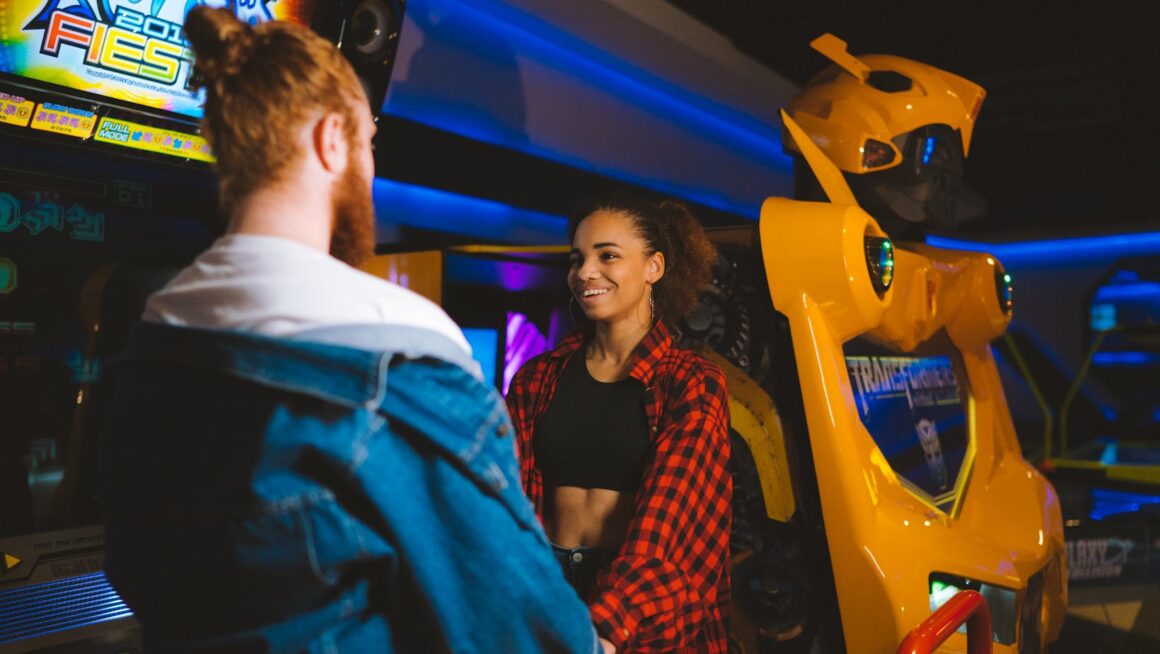
Minneapolis isn’t exactly the first city that comes to mind when you think arcade mecca, that honor usually goes to Tokyo or maybe LA. But the Twin Cities have quietly built one of the Midwest’s strongest arcade scenes, blending vintage cabinets with craft beer culture, pinball preservation, and family-friendly entertainment complexes. Whether you’re chasing high scores on a pristine Galaga machine, testing your reflexes in competitive fighters, or introducing your kids to the joy of physical gaming, Minneapolis delivers.
This guide covers everything from dive bars stuffed with retro cabinets to sprawling entertainment centers at Mall of America. We’ll break down what games you’ll actually find, when to visit for the best experience, and how to navigate pricing models that range from free-play to token systems. The scene here has evolved significantly since 2024, with new venues opening and established spots expanding their lineups. Let’s dig in.
Key Takeaways
- Minneapolis arcade games venues blend vintage cabinets with modern VR and craft beer culture, creating a thriving Midwest gaming scene across bars, mini-golf complexes, and entertainment centers.
- Top arcade games minneapolis destinations like Up-Down (free-play, 50+ cabinets), Tilt Pinball Bar (30+ tables), and Round1 at Mall of America (Japanese imports) offer diverse experiences from competitive fighting games to casual classics.
- Arcade bars operate on free-play models where you pay only for drinks, while token-based and credit-based venues suit casual players sampling multiple games, with pricing ranging from quarters to bulk credit discounts.
- Visit Minneapolis arcade bars on weeknight evenings (Tuesday–Thursday, 6–9 PM) for shorter lines and prime gameplay, or weekend mornings for family-friendly venues like Can Can Wonderland.
- The Minneapolis arcade community hosts regular tournaments, themed nights, and league play—particularly at Tilt for pinball and Up-Down for fighting games—creating welcoming entry points for all skill levels.
Why Minneapolis Is a Hidden Gem for Arcade Enthusiasts
Minneapolis punches above its weight in the arcade world for a few reasons that aren’t immediately obvious. First, the city’s craft brewery boom created the perfect symbiotic relationship, breweries needed entertainment to differentiate themselves, and arcade collectors had machines looking for homes. That intersection birthed the arcade bar model that now dominates the scene.
The Twin Cities also benefit from a deeply rooted gaming community. Local collectors and enthusiasts have preserved machines that would’ve been scrapped elsewhere, creating a depth of classic cabinets you won’t find in every market. You’ll spot rare imports, pristine Neo Geo setups, and electromechanical games from the ’70s alongside the usual suspects.
Geography plays a role too. Minneapolis sits at a crossroads where Midwest nostalgia meets progressive urban culture. The result is venues that feel simultaneously authentic and welcoming, no gatekeeping, no pretense. Just good games, solid food and drink programs, and crowds that span from Gen X reliving their youth to Gen Z discovering why Street Fighter II still slaps.
The city’s compact downtown and accessible neighborhoods mean you can hit multiple arcade spots in a single night without Ubering across the metro. That density creates a scene rather than isolated venues, with regulars who bounce between spots depending on what they’re chasing that evening.
Top Arcade Bars and Gaming Lounges in Minneapolis
Up-Down Minneapolis: Retro Games Meet Craft Cocktails
Up-Down brought the arcade bar concept to Minneapolis in 2016 and remains the gold standard. Located in Uptown at 3012 Lyndale Ave S, this two-level venue packs around 50 free-play cabinets spanning genres from beat-’em-ups to shmups. The machine rotation changes seasonally, but expect staples like Mortal Kombat II, NBA Jam, Tron, and Ms. Pac-Man alongside deeper cuts.
The free-play model means you pay nothing per game, just grab a drink and play until your thumbs give out. Their cocktail menu leans creative without being obnoxious about it, and the beer selection prioritizes local craft breweries. Crowds peak Friday and Saturday nights, when the competitive fighting game community often commandeers the Street Fighter and Tekken cabinets for impromptu tournaments.
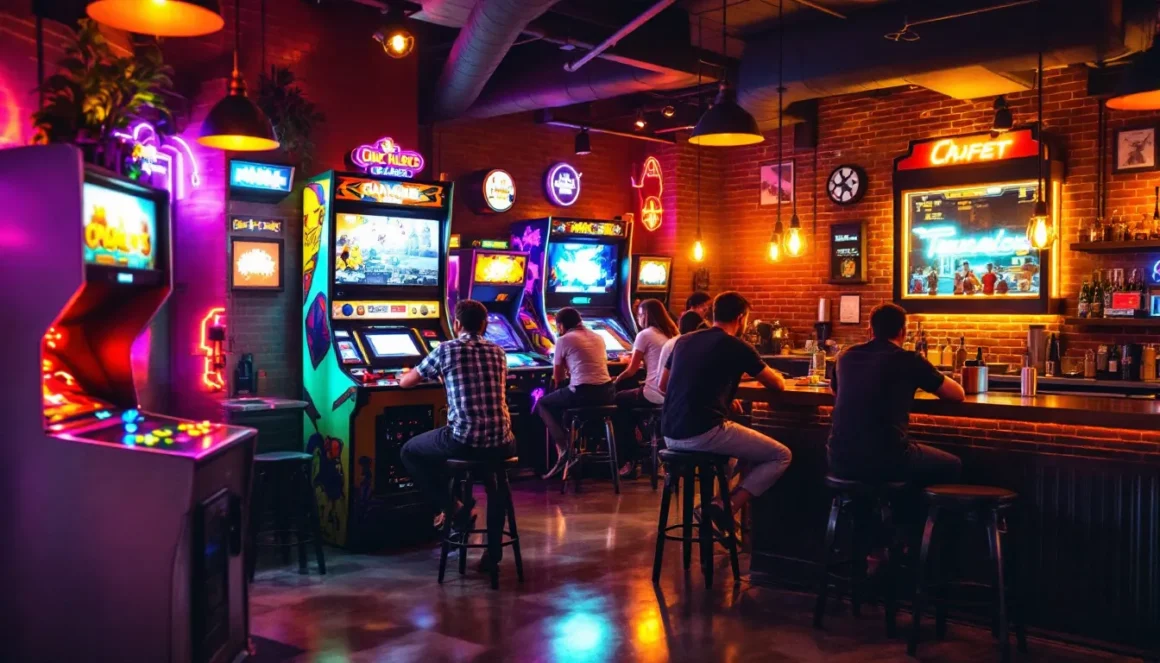
Up-Down also nails the atmosphere. Neon lighting, street art murals, and a soundtrack that mixes ’80s synth with contemporary indie creates an environment that feels authentic rather than theme-park retro. The upstairs area offers slightly less chaos if you’re looking to actually have a conversation between games.
Can Can Wonderland: Art, Mini Golf, and Classic Cabinets
Can Can Wonderland at 755 Prior Ave N is the wildcard on this list, an artist-built indoor mini golf course that happens to have a killer arcade attached. The 18-hole course features hand-crafted, surrealist holes designed by local artists, but the arcade section holds its own with 30+ classic cabinets.
The game selection skews heavily retro: Donkey Kong, Centipede, Asteroids, and Dig Dug are permanent fixtures. There’s a strong pinball presence too, with machines that get regular maintenance. This spot works best for groups with mixed interests, some can putt while others chase high scores.
Pricing runs on tokens rather than free-play, which can add up if you’re grinding out attempts on a difficult game. But the venue’s family-friendly vibe and unique aesthetic make it worth the trip, especially during off-peak hours when the mini golf crowds thin out. They host occasional late-night adult sessions with a bar, blending the family-friendly base with the 21+ arcade bar model.
Glitch Bar: A Nostalgia-Fueled Gaming Haven
Tucked into the North Loop at 509 1st Ave N, Glitch operates as a neighborhood bar that happens to worship at the altar of retro gaming. The space is smaller and more intimate than Up-Down, with around 20 free-play cabinets carefully curated for both casual and dedicated players.
What sets Glitch apart is the attention to machine condition and selection depth. You’ll find beloved classics, but also uncommon titles like Burgertime, Joust, and Q*bert that other venues overlook. The bar program emphasizes local spirits and rotating taps, and the kitchen serves elevated bar food that’s a step above standard arcade fare.
Glitch cultivates a regular crowd that treats it like their living room. The staff knows their games and can offer legitimate tips if you’re stuck on a pattern or boss. Weeknights are ideal for a low-key session, weekends get packed but never uncomfortably so. The venue also connects players with ongoing gaming trends through occasional themed nights.
Tilt Pinball Bar: Where Pinball Takes Center Stage
Tilt Pinball Bar at 1744 West 7th Street in St. Paul (technically just outside Minneapolis, but essential for any arcade tour) specializes exclusively in pinball. They maintain 30+ tables spanning eras from electromechanical classics through modern Stern releases.
The free-play model applies here, order a drink, play unlimited pinball. Machine rotation updates regularly as they acquire new tables or bring vintage machines out of storage. Recent lineups have included Medieval Madness, The Addams Family, Attack from Mars, and newer titles like Godzilla and Led Zeppelin.
Tilt runs a league night and hosts IFPA-sanctioned tournaments, drawing competitive players from across the metro. But the vibe remains welcoming to casual players who just want to tilt (ironically) and drain balls without pressure. Staff knowledge runs deep, they can explain ruleset nuances or offer maintenance insights if you’re curious about the mechanical wizardry keeping these machines alive.
Family-Friendly Arcade and Entertainment Centers
Dave & Buster’s Maple Grove: Modern Gaming and Dining Combined
Dave & Buster’s at 12130 Elm Creek Blvd in Maple Grove represents the corporate entertainment complex model, polished, predictable, and packed with modern arcade experiences. The game floor spans over 15,000 square feet with 100+ games ranging from ticket redemption to full-motion simulators.
You won’t find many classic cabinets here. The focus is contemporary: racing games with force-feedback wheels, light gun shooters with 4K displays, sports simulations, and prize games. Their Power Card system uses credits that you load onto an RFID card, with Wednesday half-price game nights offering the best value.
The full restaurant and bar setup makes this viable for longer visits. The menu runs American casual with better execution than typical arcade food. It’s ideal for birthday parties, corporate events, or families who want climate-controlled entertainment without the dive bar aesthetic. The Maple Grove location added a VR zone in late 2025 with Oculus Rift setups running popular titles.
Main Event Entertainment: Bowling, VR, and More
Main Event Entertainment operates locations in Roseville (1151 Rosedale Center) and Brooklyn Park (9201 Marketplace Drive NW), offering the mega-entertainment approach. Beyond arcades, you get bowling, laser tag, gravity ropes courses, and extensive VR experiences.
The arcade sections emphasize modern games with ticket redemption, though both locations stock popular titles like Pac-Man Battle Royale and newer iterations of classic franchises. The VR bays are the real draw, offering experiences that home setups can’t match due to space and hardware costs. Many players discover arcade gaming’s enduring appeal through these hybrid entertainment centers.
Pricing uses an all-you-can-play model during certain hours, or you can buy credits for specific activities. Package deals bundling bowling, games, and food offer the best per-activity value. These venues excel at accommodating large groups and offering birthday packages with dedicated party hosts.
Round1 Entertainment at Mall of America
Japanese entertainment chain Round1 opened at Mall of America in 2024, bringing an authentic Japanese arcade experience to the Twin Cities. Located on the fourth floor, this 40,000-square-foot venue combines American expectations with Japanese arcade culture.
The game selection is exceptional: legitimate rhythm games like maimai, Taiko no Tatsujin, and Dance Dance Revolution sit alongside photo booths, UFO catchers, and competitive fighters. They stock Japanese imports that you won’t find elsewhere in the region. The bowling alley uses Japanese-style smaller pins, and there’s karaoke rooms with extensive anime song libraries.
Round1 uses a credit system with better rates for bulk purchases. Serious rhythm game players and fighting game enthusiasts make pilgrimages here for hardware and titles unavailable at other venues. The environment feels distinctly different from American arcades, less about nostalgia, more about contemporary gaming culture as it exists in Asia. Platforms like Twinfinite frequently cover similar import arcade experiences and competitive gaming trends.
Hidden Arcade Spots and Local Gaming Hangouts
Pixels and Pints: Craft Beer and Classic Cabinets
Not technically a single permanent venue, but Pixels and Pints refers to the pop-up arcade events that rotate through Twin Cities breweries. Local collector communities partner with breweries like Surly, Indeed, and Fair State to set up temporary arcade installations, usually 10-15 cabinets brought in for a weekend or special event.
These events offer chances to play rare machines that collectors don’t loan out to permanent venues. You might encounter Japanese imports, prototype cabinets, or perfectly restored classics from private collections. The games are typically free-play or donation-based, with proceeds supporting local charities or gaming preservation groups.
Follow Twin Cities arcade groups on social media to catch these events. They’re sporadic but worth tracking, you’ll experience games and machine conditions that permanent venues can’t match, plus direct access to the collectors who can share stories about acquisition and restoration.
Arcade Underground at Local Breweries
Several Minneapolis breweries maintain small permanent arcade installations worth seeking out. Dangerous Man Brewing (1300 2nd St NE) keeps 4-5 rotating cabinets near the taproom, typically classics in excellent condition. Lakes & Legends Brewing (1368 Lasalle Ave) has a similar setup with machines that change seasonally.
These aren’t destinations for serious arcade sessions, but they add depth to the scene. The machines are usually free-play or quarter-operated, and the low-key environments suit casual gaming between beers. The selection prioritizes approachable classics, you’ll find Galaga and Frogger, not Ikaruga or Mushihimesama.
The brewery arcade model works because it creates sticky experiences. Players stick around longer, order more rounds, and bring friends who might not otherwise visit. For gamers, it means more excuses to incorporate arcade gaming into regular social routines rather than treating it as a special destination activity.
What Types of Arcade Games You’ll Find in Minneapolis
Classic Retro Cabinets: Pac-Man, Galaga, and More
Minneapolis venues heavily favor golden-age classics from the late ’70s through early ’90s. Pac-Man, Galaga, Donkey Kong, Centipede, and Space Invaders appear at nearly every arcade bar. These titles hit the sweet spot of recognizable, approachable, and endlessly replayable.
Beyond the S-tier classics, you’ll encounter deeper catalog titles depending on the venue’s curation philosophy. Games like Robotron: 2084, Tempest, Defender, and Missile Command show up for players seeking more complex mechanics. Beat-’em-ups like The Simpsons Arcade Game, Teenage Mutant Ninja Turtles, and X-Men work well for groups.
Machine condition varies significantly between venues. Bars like Glitch and Up-Down prioritize maintenance, keeping monitors sharp and controls responsive. Some brewery installations run on original hardware that’s seen better days, still playable but with quirks like drifting joysticks or faded displays. Collectors who appreciate arcade history and preservation particularly value venues that maintain authentic cabinet conditions.
Fighting Games and Competitive Arcade Titles
The Twin Cities fighting game community keeps competitive titles alive at several venues. Street Fighter II (multiple versions), Mortal Kombat II, Marvel vs. Capcom 2, and Tekken cabinets see regular use from dedicated players who’ve mastered frame data and combo strings.
Round1’s Japanese imports bring newer competitive titles typically found only in Asian markets. Their Guilty Gear and BlazBlue setups attract players who follow the competitive scene covered extensively by outlets like Game Informer. Cabinet quality matters enormously for competitive play, Round1 and Up-Down maintain hardware to tournament standards.
Don’t expect to casually jump into these machines on weekend nights. Regulars often monopolize competitive cabinets, running extended sessions with unwritten rotation rules. If you’re genuinely interested in the competitive scene, showing respect and asking to rotate in usually works. Weekday afternoons offer better opportunities to practice without the crowd pressure.
Pinball Machines and Electromechanical Games
Pinball represents a massive subsection of Minneapolis arcade culture. Tilt specializes exclusively in it, but most arcade bars maintain 5-10 tables alongside video games. You’ll find both modern machines with complex rulesets (Stern releases like Mandalorian and Godzilla) and classics like Medieval Madness and Funhouse.
Electromechanical games from pre-video arcade eras occasionally surface at venues like Can Can Wonderland. These mechanical marvels, pitch-and-bat games, driving games with physical scoring reels, shooting galleries, offer a different sensory experience than video games. They require different skills and reward precision over pattern memorization.
Pinball maintenance is more complex than video game cabinets. Machines go down frequently due to mechanical failures, so don’t be surprised if an “out of order” sign hangs on your target table. Venues with dedicated pinball tech staff (like Tilt) maintain higher uptime and better flipper response.
Modern VR and Motion-Based Experiences
Minneapolis’s family entertainment centers lean heavily into VR and motion simulation. Dave & Buster’s, Main Event, and Round1 all offer VR experiences ranging from basic Oculus setups to full-motion platforms. Games span horror experiences, racing sims, and multiplayer shooters built specifically for location-based entertainment.
These modern experiences cost significantly more per play than traditional arcade games, expect $5-10 for a single VR session. The technology appeals to players curious about VR without the commitment of a home setup. Quality varies widely depending on hardware generation and software selection.
Motion-based racing and shooting games bridge retro and modern. Full cockpit Initial D cabinets, motorcycle-based racers, and enclosed simulators with force feedback offer physical engagement that home gaming can’t replicate. Round1 particularly excels here with Japanese import cabinets that never saw wide American distribution. Players interested in diverse arcade experiences will find the widest variety at these larger entertainment complexes.
Events, Tournaments, and Gaming Meetups in Minneapolis Arcades
The Twin Cities arcade scene supports an active calendar of organized events beyond casual play. Tilt Pinball Bar runs weekly league nights every Tuesday, where players compete in structured formats tracked by the International Flipper Pinball Association (IFPA). These leagues accommodate all skill levels with handicapping systems, though top players compete fiercely for IFPA ranking points.
Up-Down hosts periodic fighting game tournaments, usually centered around Street Fighter, Mortal Kombat, or Tekken. These range from casual bracket tournaments to more serious events that draw regional competition. Prize pools are modest but the community is strong, these events serve more as social gatherings than cutthroat competition.
Round1 occasionally runs rhythm game competitions, particularly for Dance Dance Revolution and Taiko no Tatsujin. The Japanese chain’s corporate structure enables them to tie into larger national tournament circuits, offering qualification paths to regional championships.
Beyond competitive events, several venues host themed nights. Can Can Wonderland runs adult-only sessions on select Friday nights, combining their mini golf with a full bar and curated arcade play. Some breweries with arcade installations host high-score challenges where the top performer of the night wins prizes or bar credit.
Local gaming groups organize informal meetups at various venues. The Twin Cities Retro Gaming group schedules monthly gatherings rotating between arcade bars, focusing on classic multiplayer titles and introducing newcomers to the scene. These grassroots events lack the polish of official tournaments but create welcoming entry points for players intimidated by competitive scenes.
Social media remains crucial for tracking events, most venues announce tournaments and special nights through Instagram and Facebook rather than maintaining updated web calendars. Following individual venues and local gaming groups ensures you won’t miss limited-time events or guest machine installations.
Tips for Making the Most of Your Minneapolis Arcade Experience
Best Times to Visit for Shorter Lines
Timing dramatically affects your arcade experience in Minneapolis. Arcade bars like Up-Down, Glitch, and Tilt see heavy Friday and Saturday night crowds from 8 PM onward. Popular cabinets develop queues, noise levels spike, and the social atmosphere shifts from gaming-focused to general bar scene.
Weeknight evenings (Tuesday-Thursday) from 6-9 PM offer the sweet spot, enough people present to create energy, but machines stay available. Sunday afternoons work well for family-friendly venues like Can Can Wonderland, before the dinner rush but after morning activities wind down.
For dedicated gaming sessions on competitive titles, visit arcade bars between 4-6 PM on weekdays. You’ll often have the place nearly to yourself, with full access to every cabinet. Some venues offer happy hour pricing during these windows, doubling the value.
Dave & Buster’s and Main Event run promotions tied to specific days, Wednesday half-price games at D&B’s makes that the busiest weeknight. If you’re chasing value over empty venues, embrace the crowds. If you want uninterrupted play, avoid promotion nights entirely.
Pricing Models: Free Play vs. Token Systems
Understanding pricing structures prevents bill shock and optimizes your budget. Arcade bars (Up-Down, Glitch, Tilt) typically run free-play models, you pay nothing per game, but drinks come with standard bar pricing. Buy one beer and you can play unlimited games all night. This model heavily favors players who spend hours grinding scores or practicing competitive titles.
Token-based venues like Can Can Wonderland and some brewery installations charge per play, usually $0.25-1.00 per credit depending on the game. This adds up quickly if you’re attempting difficult games that eat continues. These systems work better for casual players sampling multiple titles rather than repeat attempts on a single machine.
Credit-based systems at Round1, Dave & Buster’s, and Main Event use RFID cards loaded with credits. Rates improve with bulk purchases, buying $100 in credits might earn 20% bonus credits. These venues also run time-based promotions offering better rates during specific hours. Apps sometimes offer exclusive deals or birthday discounts worth checking before visiting.
Some venues blend models, free pinball with beer purchase, but tokens required for video games, or vice versa. Ask staff about pricing structure when you arrive to avoid assumptions that prove expensive.
How to Find Special Deals and Happy Hour Discounts
Nearly every Minneapolis arcade venue runs some form of regular promotion. Up-Down offers industry night discounts for service workers (typically Sunday or Monday). Can Can Wonderland discounts mini golf during weekday afternoons. Dave & Buster’s Wednesday half-price games represent their best value proposition. Understanding these can cut costs significantly for builders and regular players alike.
Many venues maintain email lists or loyalty apps offering exclusive deals. Round1’s app frequently pushes limited-time credit bonuses or experience discounts. Signing up for these lists typically nets an immediate discount code worth the minor inbox clutter.
Third-party apps like Groupon occasionally feature packages for Main Event or Dave & Buster’s, bundled credits, food, and activities at 30-40% off standard pricing. These deals suit first-time visitors or groups planning extended sessions.
Social media followers often get advance notice of flash sales or special events. Tilt occasionally runs “free tournament entry” nights announced only via Instagram stories. Following your preferred venues ensures you catch these opportunities.
Birthday promotions are real and substantial. Dave & Buster’s, Main Event, and Round1 all offer birthday packages or discounts ranging from free gameplay credits to complimentary experiences. Some arcade bars provide free birthday drinks or pizza. Bring ID and don’t be shy about mentioning it, these businesses budget for birthday incentives as customer acquisition tools.
Conclusion
Minneapolis delivers a surprising depth and variety in arcade gaming that rivals cities with bigger reputations. The scene balances preservation-minded arcade bars maintaining classic cabinets against modern entertainment complexes pushing VR and contemporary titles. Whether you’re a competitive fighting game player, a pinball wizard, a parent introducing kids to physical gaming, or just someone who wants to drink beer and chase high scores, the Twin Cities have you covered.
The community aspect sets Minneapolis apart. Regulars treat these venues as third spaces rather than tourist stops, creating welcoming environments where skill gaps matter less than genuine enthusiasm. Venues like Up-Down and Tilt prove that arcade culture doesn’t need to be frozen in amber, it evolves while respecting what made it compelling in the first place.
Pricing models span free-play to credit systems, rewarding research and strategic visiting. Events and tournaments provide structure for players seeking competition, while casual players can enjoy every venue without pressure. The geographic density makes venue-hopping viable in ways that car-dependent cities can’t match.
As the scene continues growing in 2026, expect more venues, better machine curation, and deeper integration of modern gaming experiences alongside retro preservation. Minneapolis isn’t trying to recreate the arcades of 1985, it’s building something that serves contemporary players while honoring what made arcade gaming matter. That balance is harder to achieve than it looks, and the Twin Cities are nailing it.