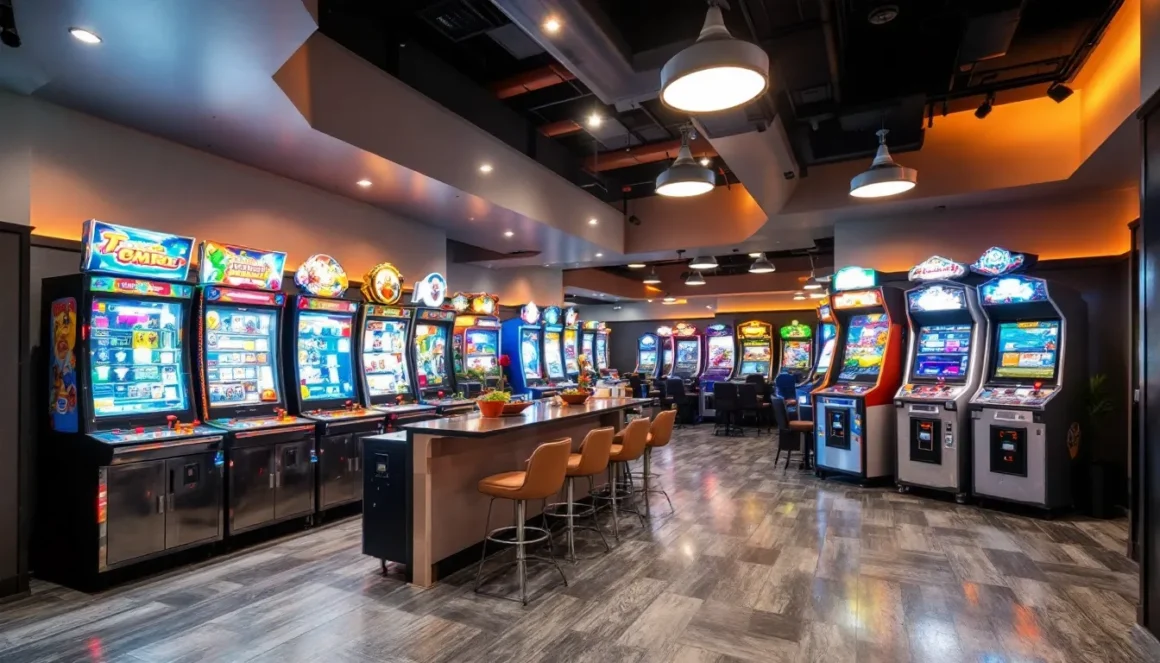
The flashing lights, the cascade of tickets, the rush of landing that perfect shot, redemption arcade games occupy a unique space where skill meets chance and quarters transform into prizes. Unlike traditional arcade cabinets where high scores are the only reward, these machines offer tangible returns for your gaming prowess. Whether you’re a casual player eyeing a stuffed animal or a dedicated enthusiast calculating payout rates and timing cycles, understanding how redemption games work gives you a serious edge. This guide breaks down everything from machine mechanics and programming secrets to proven strategies that separate the winners from the frustrated. Let’s jump into the world where gaming meets gambling-adjacent entertainment, and where knowing the meta can literally pay off.
Key Takeaways
- Redemption arcade games combine skill and chance to award tickets or prizes, differing from traditional arcade games by offering tangible rewards rather than just high scores.
- Understanding payout percentages (typically 30-45% of revenue returned as prizes) and ticket-per-cost ratios helps identify high-value redemption games where skill provides a genuine advantage.
- Timing observation, machine win-counter tracking, and strategic bankroll management can improve your ticket-per-dollar efficiency by 30-40% compared to casual play.
- Modern redemption arcade games now feature adaptive difficulty, digital card systems, and skill-based mechanics with verifiable fairness, making them more transparent and competitive than ever before.
- Redemption games operate with algorithmic win controls and near-miss programming designed to maintain consistent payout rates; recognizing these mechanics helps you know when to move on to better opportunities.
What Are Redemption Arcade Games?
Redemption arcade games are skill-and-chance-based machines that reward players with tickets or prizes based on performance. Instead of chasing high scores for bragging rights alone, you’re accumulating tangible currency that can be exchanged for merchandise at the prize counter. Think Skee-Ball, Stacker, claw machines, and those basketball hoops that seem deceptively easy.
The key distinguishing factor? Redemption value. Every game session potentially returns something measurable, usually tickets printed from the machine, though some modern variants use digital card systems that track your winnings electronically. The better you perform, the more tickets you earn, creating a direct feedback loop between skill and reward.
How Redemption Games Differ from Traditional Arcade Games
Traditional arcade games like Street Fighter II, Pac-Man, or Time Crisis exist purely for the gameplay experience. You insert coins, you play until you lose, and the only thing you take home is the memory (and maybe some sore thumbs). The satisfaction is entirely intrinsic.
Redemption games flip this model. They’re designed with extrinsic rewards as the primary motivator. The gameplay itself is often simpler and shorter, most sessions last 30 seconds to two minutes, because the focus is on payout rather than extended engagement. You’re not mastering frame data or memorizing patterns: you’re optimizing your approach to maximize ticket output per dollar spent.
Another critical difference: redemption games are programmed with payout percentages. Arcade operators configure these machines to return a specific percentage of revenue as prizes over time, similar to slot machines but with a skill component that gives players some degree of control. This built-in house edge means the arcade always profits long-term, but skilled players can beat the average.
The Psychology Behind Redemption Game Appeal
Why do these games hook us so effectively? It’s a potent mix of psychological triggers:
Variable ratio reinforcement keeps players engaged. You don’t win the jackpot every time, but the possibility is always there. That near-miss on Stacker or the claw that almost grabbed the prize activates the same reward pathways as actual wins, keeping you pumping in credits.
The illusion of control is powerful. Unlike pure RNG systems, redemption games give you buttons to press, timing to master, and techniques to refine. You feel like you’re improving, even when the machine’s programming eventually determines win frequency. This skill component, but minimal, makes the experience feel less like gambling and more like a legitimate challenge.
Tangible rewards create immediate gratification. Tickets dispensing from the machine provide a visceral, measurable representation of success. Even small wins feel rewarding when you’re watching that ticket counter climb. The prize counter acts as the final dopamine hit, converting your abstract tickets into a physical object creates closure on the investment loop.
The Evolution of Redemption Arcade Games
From Mechanical Machines to Digital Innovation
Redemption games trace their roots back to carnival midways and early 20th-century penny arcades. Mechanical games like Skee-Ball (introduced in 1909) established the foundational concept: pay to play, perform well, win prizes. These early machines used purely mechanical systems, weighted balls, physical scoring zones, and manual ticket dispensers.
The 1970s and 1980s brought electronic components into the mix. Games could now track scores digitally, calculate ticket payouts automatically, and introduce more complex gameplay. Whac-A-Mole (1976) and early basketball redemption games emerged during this era, combining simple mechanics with electronic scoring.
The 1990s marked the golden age of innovation. Cyclone (1985) introduced the stop-the-light mechanic that countless games would clone. Claw machines evolved from purely mechanical grabs to electronically controlled claw strength that could be programmed based on revenue. This was also when major manufacturers like ICE (Innovative Concepts in Entertainment) and Sega began dominating the market with purpose-built redemption cabinets.
By the 2000s, redemption games had become arcades’ primary revenue source. Digital displays replaced mechanical scoreboards, card systems began replacing physical tickets, and machines connected to networks for real-time monitoring and payout adjustments.
Modern Trends and Technology in 2026
Today’s redemption landscape is wildly different from even five years ago. Integrated card systems have largely replaced ticket dispensers at major chains. Players load credits onto an RFID card, and winnings accumulate digitally, no more carrying around massive ribbons of tickets. This shift allows arcades to track player behavior with frightening precision, adjusting difficulty and payouts based on real-time data analytics.
Augmented reality elements are creeping into redemption games. Several 2025-2026 releases incorporate AR overlays via built-in screens, adding visual flair and dynamic challenges that change per session. Some machines now feature progressive jackpots that grow until someone wins, borrowed directly from casino design principles.
Mobile integration is everywhere. Apps let you check your ticket balance, reserve machines, and even participate in arcade-wide competitions. Some venues offer hybrid experiences where mobile gameplay contributes to physical prize eligibility.
The most significant trend? Skill-based balancing. Responding to criticism about pure chance mechanics, manufacturers are designing games with higher skill ceilings while maintaining payout controls. Think rhythm-game timing windows or physics-based challenges where practice genuinely improves outcomes. It’s a delicate balance, too much skill and casuals get frustrated: too little and regulars optimize the fun out of it.
Most Popular Types of Redemption Arcade Games
Ticket Redemption Games
These are the bread and butter of any arcade floor. Players earn tickets based on performance, which accumulate for later redemption. The ticket count varies wildly, you might get 2 tickets for a weak Skee-Ball round or 500+ for hitting a jackpot on a timing game.
Common examples include:
- Skee-Ball: Roll balls up a ramp into scoring rings. Consistent, satisfying, and easy to understand.
- Cyclone/Tornado: Stop a rapidly rotating light on the jackpot zone. Pure timing, zero luck if you master the rhythm.
- Basketball hoops: Timed shooting challenges where speed and accuracy determine ticket output.
- Coin pushers: Technically redemption games where coins (or tokens) fall off edges, triggering ticket payouts.
Ticket games dominate because they’re flexible. Arcades can adjust payout rates easily, and players can pool tickets from multiple games toward bigger prizes. The psychological satisfaction of watching tickets dispense is hard to replicate.
Prize-Out Games
Instead of tickets, these games directly dispense prizes, usually merchandise or candy. Claw machines are the most recognizable example, but the category includes:
- Stacker: Stop moving blocks on the top row to win electronics or collectibles. Notoriously difficult and programmed to allow wins only after specific revenue thresholds.
- Key Master: Manipulate a key into a precise position to unlock a prize box. Like Stacker, these have payout programming that controls win frequency.
- Pusher games: Similar to coin pushers but with physical prizes that fall off ledges.
Prize-out games create instant gratification (or crushing defeat). There’s no accumulation phase, you either walk away with the plush toy immediately or you don’t. This high-stakes approach appeals to a different player psychology than ticket games, often attracting competitive players chasing rare prizes.
Skill-Based vs. Chance-Based Redemption Games
The industry constantly debates this spectrum. Purely chance-based games face legal scrutiny in many jurisdictions because they resemble gambling. Most modern redemption games incorporate at least some skill element to maintain legal classification as “games of skill.”
Skill-based games give players meaningful control over outcomes:
- Timing games (stop-the-light mechanics)
- Precision challenges (basketball, football toss)
- Speed tests (button-mashing, rapid targeting)
Practice genuinely improves performance, though payout programming still caps maximum wins.
Chance-based games rely heavily on RNG or unpredictable physics:
- Plinko-style drop games
- Wheel spins
- Many claw machines (claw strength varies algorithmically)
Most redemption games exist in the middle, a skill component determines whether you’re in contention, but chance factors influence the final outcome. This hybrid approach maximizes both player engagement and legal defensibility.
Top Redemption Arcade Games You’ll Find in 2026
Classic Favorites That Never Get Old
Some redemption games achieve legendary status, appearing in virtually every arcade even though being decades old:
Skee-Ball remains untouchable. The 1909 design has barely changed because it doesn’t need to. Nine scoring rings, wooden balls, perfect tactile feedback. It’s the comfort food of redemption games, reliable, satisfying, and skill-based enough that practice matters.
Down the Clown (and its countless variants) combines Whac-A-Mole mechanics with ball-throwing. Hit the targets, earn tickets, rinse and repeat. Simple enough for kids, satisfying enough for adults.
Cyclone and its descendants (Tornado, Mega Spin) defined the stop-the-light genre. The original 1985 cabinet still operates in arcades alongside modern LED versions. Mastering the timing rhythm is a rite of passage.
2-Minute Drill (and similar sports games) capitalized on the timed frenzy format. Sink as many baskets as possible before the buzzer, with escalating difficulty and bonus rounds. The gameplay loop is addictive, and competitive players can rack up serious tickets.
Claw machines deserve special mention. Even though their controversial reputation, the classic UFO Catcher style remains ubiquitous. Modern variants include two-player cooperative claws, dual-control precision claws, and themed cabinets featuring licensed characters.
Newest Releases and Innovations
2025-2026 saw some genuinely creative releases that push the redemption formula forward:
HYPERpitch (ICE, 2025) uses radar tracking to measure pitch speed with MLB-level accuracy. Players compete for tickets based on velocity and accuracy, with leaderboards and social sharing integration. It’s turned pitch-and-win into a legitimate competitive experience, and locations hosting the evolution of arcade gaming are seeing strong adoption.
Bellatrix (Andamiro, 2025) combines rhythm game mechanics with ticket redemption. Hit the notes with precision timing, and tickets scale with your accuracy percentage. It’s essentially Guitar Hero meets redemption, and skilled rhythm gamers absolutely dominate it.
Prize Vault (Bay Tek, 2026) reimagines the prize-out concept with a multi-stage challenge. Navigate obstacles using a joystick, and if you reach the vault, the prize quality increases based on how quickly you finished. It adds genuine skill progression to a category often dominated by RNG.
Mega Slam (LAI Games, 2025) takes basketball redemption to absurd heights, literally. The hoop adjusts height dynamically based on your performance, creating adaptive difficulty that keeps both casuals and sharpshoters engaged. Connect to the mobile app and your stats track across multiple locations.
According to industry coverage on Game Informer, the trend toward skill-based mechanics with verifiable fairness is reshaping how developers approach redemption design. Players are more educated than ever, and they demand transparency.
How Redemption Arcade Games Work
Understanding Payout Rates and Ticket Values
Every redemption game has a payout percentage, the portion of revenue returned to players as prizes over time. Industry standard ranges from 30-45%, meaning for every $100 in revenue, the arcade pays out $30-45 in prize value.
Here’s the critical part: ticket values are arbitrary. A prize marked at 1,000 tickets might cost the arcade $2 wholesale. If tickets are valued at roughly 1 cent each (the rough average), that 1,000-ticket prize represents $10 in player spending at a 40% payout rate. The arcade spent $2, earned $10, netted $8. The math always favors the house.
Payouts are calculated over thousands of plays, not individual sessions. You might hit three jackpots in a row and feel like you’re beating the system, but the machine’s programming ensures that over its lifetime, the percentages hold. This is why arcades don’t panic when someone seems to be “winning too much”, the algorithm self-corrects.
Ticket-per-coin ratios vary by machine and location. A game might offer 10 tickets minimum and 100 tickets for jackpot at a $1 cost-per-play. That’s a 10:1 to 100:1 ratio. Comparing these ratios across games helps identify which machines offer better value (more on that later).
Some modern systems use dynamic payout adjustment. If a machine is over-performing (paying out too much), the software automatically tightens difficulty or reduces jackpot frequency. If it’s underperforming, it loosens up to maintain player interest. This happens behind the scenes, invisible to players but constantly optimizing arcade revenue.
The Role of Difficulty Settings and Programming
Redemption games aren’t as straightforward as they appear. Behind the friendly exterior lurks serious programming that controls exactly when and how often you can win.
Skill-based difficulty is the visible layer. Basketball hoops can adjust the rim size, net tension, or ball bounce characteristics. Timing games can speed up or slow down the light rotation. These are legitimate difficulty adjustments that affect player performance.
But then there’s algorithmic win control. This is where it gets controversial. Games like Stacker and Key Master use what’s essentially a win counter. The machine tracks revenue and only enables the jackpot after hitting a financial threshold. You can have perfect timing and still lose because the machine isn’t programmed to allow a win yet.
Claw machines are the most notorious. Claw strength varies per attempt based on programming. The machine might use full grip strength once every 10-15 tries (or after collecting $X in revenue), and weaker strength the rest of the time. Operators can adjust these parameters via internal menus, fine-tuning the payout rate.
Some games use near-miss programming to maintain engagement. The block in Stacker stops just one pixel off the jackpot, or the claw grips the prize but drops it at the chute. These near-misses are often programmed events, not random chance, designed to keep you playing by making success feel tantalizingly close.
Understanding this programming is essential. You’re not just competing against the game’s mechanical challenge, you’re playing against an algorithm designed to extract maximum revenue while providing just enough wins to maintain the illusion of fairness. Knowing when a machine is programmed to deny wins regardless of skill helps you decide when to walk away.
Strategies to Maximize Your Winnings
Identifying High-Value Games
Not all redemption games offer equal returns. Some are notoriously stingy, while others provide consistent value if you know what you’re doing.
Calculate the ticket-to-cost ratio before committing. If a game costs $1 per play and offers 20 tickets minimum with a 200-ticket jackpot, you’re looking at 20:1 to 200:1 return. Compare that to a game costing $1.50 that offers 15-150 tickets, which is actually worse value even though similar jackpot numbers.
Skill-based games with low variance are your friends. Games where practice legitimately improves outcomes and payouts are relatively consistent provide better long-term value than high-variance games that randomly drop massive jackpots. Skee-Ball, basketball hoops, and timing games fall into this category.
Avoid prize-out games with obvious payout programming unless you’re tracking their win counters. If you’ve watched a Stacker machine deny 30 consecutive perfect attempts, it’s probably not near its payout threshold. Move on.
Look for games with bonus multipliers or progressive elements. Some machines increase ticket payouts during specific time windows or after certain conditions are met. These temporary boost periods offer significantly better value.
Timing and Observation Techniques
Patience pays off. Before playing a machine, watch other players for 5-10 minutes. You’re gathering intelligence:
- How often do jackpots hit?
- Are patterns emerging in timing games?
- Do certain techniques work better than others?
- Is the machine malfunctioning or behaving erratically?
For timing-based games (Cyclone, Tornado), count the rotation speed. Most rotate at consistent intervals. Once you identify the rhythm, you can anticipate the exact moment to hit the button. Experienced players can hit jackpot zones 80%+ of the time on these machines.
Claw machines benefit from observation too. Watch whether the claw is gripping strongly or weakly. If you see multiple weak grips in a row, the machine might be approaching its payout threshold. Position also matters, prizes near the chute often have better win odds than those in the back.
Some games have mechanical tells. A basketball game might have a rim with a slightly better entry angle on one side. A Skee-Ball lane might roll truer than its neighbors. These tiny advantages compound over multiple plays, similar to how players optimize different arcade game approaches.
Play during off-peak hours when possible. Machines that have been sitting idle might be closer to payout thresholds. Plus, you can take your time, observe without crowds, and hop between machines without competition.
Bankroll Management for Arcade Gaming
Yes, you need bankroll management for arcade games. Treat it like any other skill-based gambling-adjacent activity.
Set a session budget before you start. Decide on a dollar amount you’re comfortable spending, and stick to it. Don’t chase losses. The payout algorithms guarantee the house always wins long-term: your goal is to maximize entertainment and minimize tilt.
Divide your bankroll across multiple game types. Don’t dump everything into claw machines hoping for that one big win. Spread risk across skill-based games where consistent small payouts build your ticket count steadily.
Track your ticket-per-dollar average over multiple sessions. If you’re consistently getting 50 tickets per dollar across all games, that’s your baseline. When you find a game that delivers 75+ tickets per dollar, that’s where you should concentrate play.
Know when to quit while ahead. If you hit a lucky streak and triple your expected ticket count, consider cashing out or switching to low-cost games to preserve winnings. The algorithms will correct, and the variance will eventually swing negative.
For serious players, maintain a session log. Note which games you played, costs, tickets earned, and any observations about machine behavior. Over time, patterns emerge that help you identify the best machines at your local arcade. According to arcade enthusiasts sharing insights on Shacknews, dedicated players tracking data consistently outperform casual visitors by 30-40% in ticket-per-dollar efficiency.
Where to Find the Best Redemption Arcade Games
Entertainment Centers vs. Traditional Arcades
Family Entertainment Centers (FECs) like Dave & Buster’s, Main Event, and Round1 have become redemption headquarters. These venues dedicate 70-80% of their floor space to redemption games because they’re profit machines. You’ll find the newest releases here, along with massive prize selections and card-based systems that eliminate physical tickets.
FECs typically offer better game variety and maintenance than smaller arcades. Machines are serviced regularly, and payouts are standardized across corporate locations. But, you’re paying premium prices, $1.50-$2.00 per play is common, and promotional deals often come with restrictions.
Traditional arcades (the ones that survived) take a different approach. They might mix classic arcade cabinets with redemption games, creating a more diverse environment. These venues often have lower per-play costs ($0.50-$1.00) but smaller game selections and older machines.
Bowling alleys, movie theaters, and shopping malls host smaller redemption setups, usually 10-20 machines clustered in a corner. These can be goldmines because they’re often poorly monitored. Payout settings might be looser, and machines near payout thresholds can sit idle for days. But expect limited game variety and inconsistent maintenance.
Location scouting matters. If you’re serious about redemption games, visit multiple venues and identify which offer the best combination of game selection, pricing, and payout rates. Some players maintain a mental map of locations with specific machines they’ve optimized.
The arcade landscape continues to evolve, with venues experimenting with hybrid models that combine traditional arcade experiences and modern redemption mechanics.
Digital Redemption Games and Mobile Apps
The redemption concept has jumped to digital platforms, though with mixed results. Mobile redemption games attempt to recreate the experience through apps where you play for virtual tickets redeemable for real prizes. Apps like Skillz and PlaySpot connect players in skill-based competitions with cash or prize payouts.
These digital versions struggle to capture the tactile satisfaction of physical redemption games. Swiping a screen doesn’t match the dopamine hit of tickets dispensing or prizes dropping from a chute. But they offer convenience, play from your couch, compete globally, and redeem prizes via shipping.
Hybrid systems are more interesting. Some FEC chains now offer apps that connect to their physical locations. Load credits remotely, track your ticket balance, participate in arcade-wide challenges, and receive notifications when specific machines are available. It’s gamification of the arcade experience itself.
VR redemption games are emerging as experimental concepts. Put on a headset, play virtual redemption games, and earn tokens redeemable at physical or online prize counters. The technology exists but hasn’t achieved mainstream adoption yet. The overhead costs make it impractical for most venues.
Online arcade platforms like GameRant occasionally cover digital redemption trends, but the consensus is clear: physical redemption games still dominate because the tactile and social elements are core to the appeal. Digital versions work as supplements, not replacements.
The Business Side of Redemption Games
Why Arcades Invest in Redemption Machines
Redemption games are profit juggernauts. While classic arcade cabinets might generate $50-150 weekly, a well-placed redemption game can pull $500-1,500+ in the same period. The revenue-per-square-foot ratio isn’t even close.
Shorter play sessions mean higher turnover. A fighting game might occupy a player for 20 minutes on a single credit. A redemption game averages 1-2 minutes. That’s 10-20 revenue opportunities in the same timeframe, especially when machines are clustered and players hop between them.
Prize costs are deceptively low. That 5,000-ticket prize that seems valuable? Wholesale cost is often $5-8. The arcade collected $100-150 in play to generate those tickets (at typical payout rates). The margins are absurd compared to traditional retail.
Redemption games also attract broader demographics. Classic arcades appealed primarily to core gamers. Redemption games draw families, casual players, date-night crowds, and birthday parties. This expanded audience base increases overall foot traffic and ancillary revenue (food, drinks, party packages).
Player retention is built into the model. Tickets accumulate over multiple visits, encouraging repeat business. That kid who earned 2,000 tickets but needs 3,000 for the prize they want? They’re coming back. It’s a loyalty program disguised as gameplay, and it’s been integrated into venues experimenting with DIY arcade concepts.
Data analytics enhance profitability further. Modern machines report real-time performance metrics: revenue, play counts, payout percentages, downtime. Operators optimize floor layouts, adjust difficulty settings, and replace underperforming machines based on hard data.
Regulations and Legal Considerations
Redemption games exist in a legal gray area that varies wildly by jurisdiction. The core question: are they games of skill or gambling devices?
Skill vs. chance determines legality in most regions. Games must demonstrate that player skill meaningfully influences outcomes to avoid classification as gambling. This is why manufacturers emphasize skill components even in heavily RNG-based games.
Some states and countries have specific payout restrictions. For example, certain jurisdictions limit the wholesale value of prizes based on play cost, or restrict how prize-out games can operate. Operators must navigate these regulations carefully to avoid fines or license revocation.
Age restrictions apply in some regions. While most redemption games are all-ages, prize-out games dispensing high-value items might face limitations. The distinction between redemption games and illegal gambling is often determined by prize value thresholds.
Tax implications vary. Some jurisdictions tax redemption game revenue differently than traditional arcade games. Prize payouts might be classified as promotional expenses or inventory costs depending on local tax codes.
The industry self-regulates to some degree through organizations like AMOA (Amusement and Music Operators Association), which provides guidelines for ethical operation. But enforcement is inconsistent, and sketchy operators definitely exist.
For players, understanding that redemption games occupy this quasi-gambling space helps set realistic expectations. You’re playing against house odds in a system designed to profit from you. The skill component and entertainment value justify the cost, but don’t expect to consistently “beat” the system. The house always wins, just like in Vegas, but with stuffed animals instead of poker chips.
Conclusion
Redemption arcade games walk the line between pure entertainment and strategic investment, offering something that traditional gaming experiences can’t match: tangible rewards wrapped in flashing lights and competitive energy. Whether you’re mastering the rhythm of a timing game, calculating ticket-per-dollar ratios, or just enjoying the simple pleasure of Skee-Ball with friends, understanding the mechanics behind these machines transforms you from a casual player into an informed competitor.
The landscape in 2026 is more sophisticated than ever, with digital integration, adaptive difficulty, and transparent skill-based mechanics reshaping how redemption games operate. But the core appeal remains unchanged, that satisfying moment when the tickets start flowing, when the claw finally grips, when your timing hits perfect and the jackpot lights explode.
Approach redemption games with eyes wide open. Know the odds, recognize the programming, budget responsibly, and focus on machines where skill actually matters. The house edge is real, but smart play and observation can tilt entertainment value firmly in your favor. And sometimes, walking out with that oversized plush toy or limited-edition collectible makes every quarter worth it.