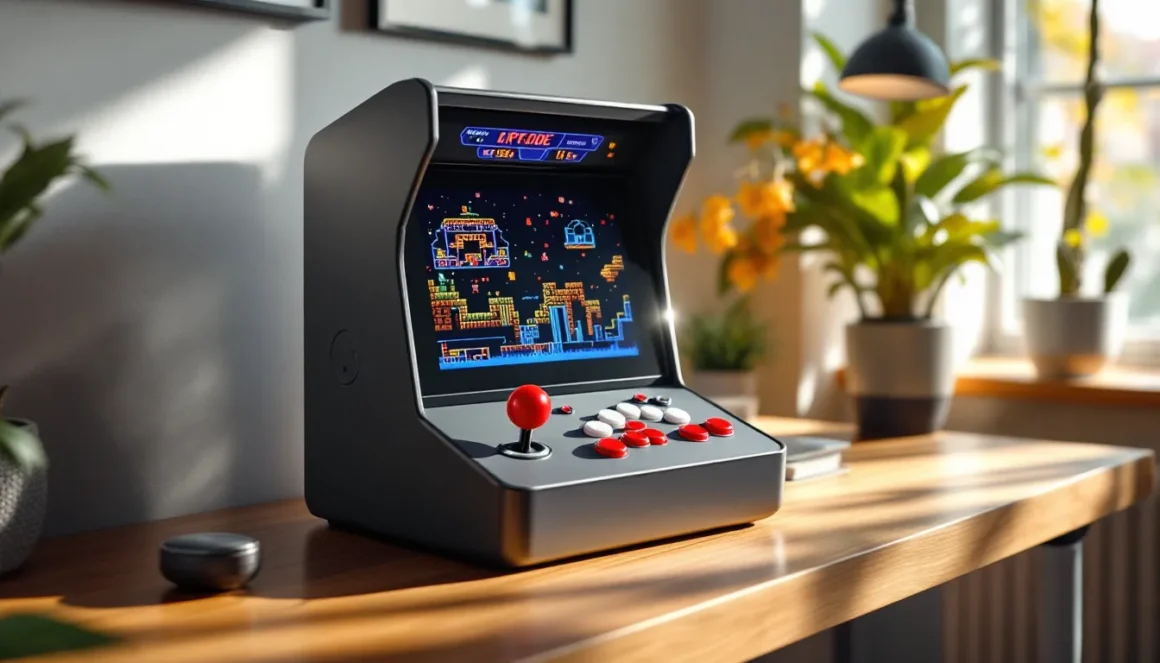
There’s something undeniably satisfying about the tactile click of arcade buttons and the glow of a CRT screen inches from your face. While full-size arcade cabinets demand dedicated game rooms and deep pockets, tabletop arcade games deliver that same nostalgic punch in a fraction of the space. They’ve quietly become the go-to option for gamers who want authentic retro experiences without converting their living room into an arcade hall.
In 2026, the tabletop arcade market has matured into a serious collection of options ranging from faithful recreations of Golden Age classics to multi-game powerhouses loaded with hundreds of titles. Whether you’re chasing childhood memories or discovering these games for the first time, the compact form factor and improving build quality make them more appealing than ever. This guide breaks down everything you need to know about tabletop arcade games, from their evolution to what you should actually buy.
Key Takeaways
- Tabletop arcade games deliver authentic retro gaming experiences in compact, affordable units that fit on desks or shelves without requiring dedicated floor space.
- Premium single-game reproductions ($80–120) and licensed countercades offer superior build quality, authentic controls, and proper emulation, making them the best value for most players.
- Multi-game units provide variety with 300+ titles but sacrifice specialized control layouts and may experience emulation quirks, so checking user reviews on specific game performance is essential.
- Joystick quality, display size, and input lag critically impact gameplay—prioritize microswitched joysticks, IPS screens, and under-2-frame delay for fighting games and precision-based titles.
- Social gaming, portability, and accessibility make tabletop arcade machines ideal for collectors, casual players, and anyone seeking nostalgic gaming without the cost or space demands of full-size cabinets.
- Routine maintenance like cleaning joysticks every 3–6 months and managing dust and button buildup ensures consistent performance and extends the lifespan of your tabletop arcade investment.
What Are Tabletop Arcade Games?
Tabletop arcade games are scaled-down versions of classic arcade cabinets designed to sit on a table, desk, or countertop. They typically measure between 12 to 20 inches tall and feature a built-in screen, controls, and speakers packed into a single unit that mimics the look of original arcade machines.
Unlike full-size cabinets that stand five to six feet tall and weigh hundreds of pounds, tabletop models prioritize portability and space efficiency. Most units run on either AC power or batteries, and many include authentic arcade controls, microswitched joysticks and concave buttons that replicate the feel of quarter-munching originals.
The appeal is straightforward: you get the aesthetic and gameplay of arcade classics without needing a dedicated game room or spending thousands of dollars. They’re plug-and-play, require minimal setup, and deliver instant nostalgia. For collectors and casual players alike, they represent the most accessible entry point into physical retro gaming hardware.
The History and Evolution of Tabletop Arcades
From Golden Age Cabinets to Modern Miniatures
The concept of tabletop arcade machines isn’t new, cocktail cabinets with embedded screens and horizontal gameplay existed in bars and lounges during the late 1970s and early 1980s. Games like Pac-Man and Space Invaders saw cocktail versions alongside their upright counterparts, designed for two players to sit across from each other.
What we recognize today as “tabletop arcade games” emerged much later, around the mid-2000s, when companies like Basic Fun released miniaturized versions of classic games. These early models were crude by modern standards, low-resolution screens, mushy controls, and tinny sound, but they proved there was demand for portable nostalgia.
By the mid-2010s, companies like Arcade1Up revolutionized the space with licensed reproductions that actually respected the source material. Improved LCD displays, better joystick quality, and official artwork elevated tabletop arcades from novelty items to legitimate collectibles. The focus shifted from “toy” to “replica,” and enthusiasts responded enthusiastically.
The Revival of Retro Gaming Culture
Retro gaming culture exploded in the 2020s, fueled by streaming, YouTube retrospectives, and a generation rediscovering the games they grew up with. Tabletop arcades benefited directly from this wave. What was once a niche hobby became mainstream, with major retailers stocking units during holiday seasons and collectors hunting limited-edition releases.
The pandemic accelerated interest in home entertainment, and tabletop arcades offered something unique: a physical, social gaming experience that didn’t require online connectivity or subscriptions. Modern releases in 2026 include Wi-Fi leaderboards, HDMI output options, and even Bluetooth connectivity, bridging the gap between retro authenticity and contemporary convenience.
The retro arcade revival continues to push manufacturers to release better hardware, more diverse game selections, and increasingly faithful recreations of beloved classics.
Types of Tabletop Arcade Games Available Today
Classic Tabletop Arcade Cabinets
These are faithful miniature reproductions of original arcade cabinets, typically scaled down to about one-third the size of a full upright. They feature single-game experiences with period-accurate artwork, control layouts, and even marquee lighting in premium models.
Arcade1Up remains the market leader here, offering licensed units for games like Galaga, Ms. Pac-Man, and Mortal Kombat II. Their 2026 lineup includes improved 8-inch LCD screens with better color accuracy and adjustable volume controls, small upgrades that make a noticeable difference during extended play sessions.
Classic tabletop cabinets appeal to purists who want the authentic arcade experience in miniature form. The trade-off is that you’re locked into one (or occasionally two) games per unit, so building a collection can get expensive and space-consuming quickly.
Countercade and Bartop Models
Countercades occupy a middle ground between tabletop and full-size cabinets. Standing around 24 inches tall, they’re designed to sit on counters or bar tops and often feature slightly larger screens (10 to 12 inches) and more robust control panels.
These models work particularly well for fighting games and two-player titles where both players need elbow room. The added height also improves viewing angles, reducing neck strain during longer gaming sessions. Popular countercade releases in 2026 include Street Fighter II Champion Edition and The Simpsons four-player unit.
Bartop models are similar but designed to be mounted or placed at standing height. They’re popular with DIY builders and those who want arcade experiences but lack floor space for traditional cabinets.
Multi-Game Tabletop Arcade Machines
If you want variety without buying multiple units, multi-game tabletops pack dozens (sometimes hundreds) of classic titles into a single machine. These typically run on emulation platforms like MAME or proprietary software, offering everything from Donkey Kong to Dig Dug in one package.
MyArcade and AtGames dominate this category with units like the Legends Ultimate Micro, which includes 300+ pre-loaded games and accepts additional game packs via USB. The 2026 Legends Ultimate Micro Player Pro added 4K HDMI output and improved button responsiveness based on user feedback from previous generations.
The downside? Emulation quality varies. While major titles typically play accurately, obscure games sometimes have sound glitches or timing issues. Control layouts also tend toward generic since they need to accommodate multiple game types, sacrificing the specialized feel of single-game reproductions.
DIY and Custom-Built Options
For the tinkerers and budget-conscious, DIY tabletop arcade builds using Raspberry Pi or similar single-board computers offer maximum flexibility. A basic setup costs $150-250 and can run thousands of games through RetroPie or Recalbox software.
The DIY arcade community has exploded with laser-cut cabinet kits, 3D-printed button mounts, and detailed build guides available online. You control every aspect, screen size, button layout, artwork, game library, but you also need to troubleshoot hardware issues and navigate the legal gray areas of ROM usage.
Popular 2026 DIY builds include portable battery-powered units using 7-inch displays and slim RetroPie configurations, perfect for LAN parties or travel. Custom artwork sites like ArcadeGraphix and GameOnGrafix offer vinyl wraps and printed panels to give homebrew builds that professional polish.
Top Tabletop Arcade Games Worth Playing in 2026
Pac-Man and Other Namco Classics
Pac-Man remains the gateway drug for tabletop arcade collectors. The 40th Anniversary Edition from Arcade1Up features both Pac-Man and Super Pac-Man with original maze layouts, authentic dot-munching sounds, and that distinctive joystick feel that makes quarter-circle turns slightly imprecise, just like the original.
Other Namco classics worth hunting down include Galaga (often bundled with Galaxian), Dig Dug, and the increasingly rare Ms. Pac-Man units. The Galaga tabletop is particularly well-executed, with vertical screen orientation that properly displays the game’s aspect ratio, something many multi-game units get wrong.
Namco’s arcade legacy includes some of the most recognizable titles in gaming history, and their tabletop versions consistently rank among the highest quality in terms of emulation accuracy and build.
Street Fighter and Fighting Game Favorites
Fighting games translate surprisingly well to tabletop format, provided the controls are solid. The Street Fighter II Champion Edition countercade features proper six-button layouts for both players, Sanwa-style joysticks, and a 12-inch screen that actually displays the game’s original resolution without excessive upscaling blur.
Other standout fighting game tabletops include:
- Mortal Kombat II with authentic five-button layout (Block, High/Low Punch, High/Low Kick)
- Marvel vs. Capcom countercade with tag-team mechanics that still feel responsive
- Killer Instinct with its combo-heavy gameplay intact
The key differentiator in fighting game tabletops is input lag. Cheaper units introduce 3-5 frames of delay between button press and on-screen action, which absolutely murders gameplay for anyone familiar with the originals. Premium models keep lag under two frames, making them viable for serious play.
Space Invaders and Retro Shooters
Space Invaders practically defined the shooter genre, and the Taito-licensed tabletop does it justice with progressive difficulty, authentic sound effects, and that hypnotic descending bass line that speeds up as you clear rows. The 2026 edition added a color toggle that switches between the original monochrome display and the later color version.
Other essential retro shooters available in tabletop form:
- Asteroids with its vector graphics perfectly rendered on modern LCD screens
- Centipede featuring a trackball controller that actually works (a rarity in cheap tabletops)
- 1942 and 1943 in vertical cabinet configurations
Shooter fans should prioritize single-game reproductions over multi-game units. The control precision matters more here than in other genres, and dedicated hardware consistently outperforms generic joystick-and-button combos.
How to Choose the Best Tabletop Arcade Machine
Size and Space Considerations
Measure your intended space before buying. A typical tabletop arcade measures 14-17 inches tall, 9-12 inches wide, and 10-15 inches deep. That sounds compact until you realize it’s roughly the footprint of a small microwave, fine for a dedicated shelf, cramped on a crowded desk.
Countercades add 8-10 inches of height, which improves ergonomics but requires more vertical clearance. Consider whether you’ll leave the unit permanently displayed or store it between sessions. Heavier units (5+ pounds) with larger screens look impressive but aren’t practical for frequent moving.
Wall-mounting is an option for bartop models if counter space is limited. Bracket kits cost $20-40 and work with standard drywall anchors, though you’ll need to route power cables cleanly.
Game Selection and Variety
Decide whether you want a single-game experience or a multi-game library. Single-game units offer superior authenticity, proper control layouts, original aspect ratios, and period-accurate presentation. Multi-game machines provide variety but sacrifice specialization.
Check the actual game list for multi-game units. Marketing materials often advertise “300+ games” but pad the count with variations (different regions, speed modes) and obscure titles nobody wants. Read actual user reviews on gaming coverage sites to identify which games run well and which have issues.
For licensed single-game reproductions, verify ROM versions. Some manufacturers use later revisions with balance changes or bug fixes that differ from the original arcade release. Purists care about this: casual players typically don’t notice.
Build Quality and Display Features
Build quality separates good tabletop arcades from junk. Key areas to evaluate:
Controls: Microswitched joysticks with audible clicks and concave buttons with crisp actuation are non-negotiable. Membrane buttons and squishy joysticks ruin the experience. Testing in-store before buying is ideal: if shopping online, prioritize manufacturers known for quality controls like Arcade1Up or iiRcade.
Display: Minimum 7-inch screen for single-player games, 10-inch for two-player titles. Resolution matters less than brightness and viewing angles, cheap TN panels wash out when viewed off-center. IPS displays cost more but look significantly better.
Audio: Built-in speakers suffice for most players, but headphone jacks or aux outputs provide options for late-night gaming without disturbing others. Volume controls should offer granular adjustment, not just three preset levels.
Cabinet: Printed vinyl graphics look fine from a distance but scratch easily and peel at edges over time. Direct-printed or laminated artwork holds up better to handling. Check that panels fit tightly without gaps or misalignment.
Budget and Price Points
Tabletop arcade pricing in 2026 breaks down roughly as follows:
- $30-60: Budget multi-game units with basic emulation and mediocre controls. Fine for kids or casual nostalgia, frustrating for serious play.
- $60-100: Entry-level licensed reproductions. Decent build quality, authentic artwork, acceptable controls. Sweet spot for most buyers.
- $100-150: Premium single-game units with better screens, improved audio, and superior controls. Worth the upgrade if you’ll play regularly.
- $150-250: Countercades and high-end multi-game systems with extensive libraries, HDMI output, and online features.
- $250+: Collector editions, multi-player units, or custom builds with specialized features.
Sales happen frequently around major holidays, with discounts reaching 30-40% off MSRP. Patience pays off unless you’re chasing limited editions that sell out quickly.
Setting Up Your Tabletop Arcade for Maximum Enjoyment
Ideal Placement and Room Setup
Position your tabletop arcade at a height where the screen sits at or slightly below eye level when seated. This typically means placing it on a standard desk (28-30 inches) or dedicated game table. Standing play works for shorter sessions but causes fatigue quickly.
Lighting matters more than you’d expect. Avoid placing units directly under bright overhead lights or near windows, glare washes out the screen and makes gameplay difficult. Ambient lighting from behind or to the side preserves screen visibility while maintaining room brightness.
For two-player units, ensure both players have adequate space. A 36-inch wide table minimum gives enough elbow room for side-by-side play without constant bumping. Arcade driving games and fighting titles particularly benefit from unobstructed arm movement.
Cable management prevents accidents. Secure power cables with adhesive clips or cable ties, and keep them away from high-traffic areas. Surge protectors protect against power spikes, which can corrupt multi-game units running on embedded flash storage.
Controller Maintenance and Care
Joysticks accumulate dust inside the housing, causing sticky movement and reduced responsiveness. Every 3-6 months, depending on usage:
- Power off the unit completely
- Remove the dustpan (if accessible) or use compressed air around the joystick base
- Wipe down the shaft and ball top with isopropyl alcohol on a microfiber cloth
- Test all eight directions for smooth movement
Buttons develop gunk buildup from finger oils and snack residue (be honest, we’ve all done it). Pop off button caps if possible and clean both the cap and surrounding panel with alcohol wipes. For membrane buttons that can’t be removed, gentle surface cleaning is all you can do.
Microswitches eventually wear out after tens of thousands of presses. Symptoms include missed inputs or double-registering. Replacement switches cost $1-2 each and are simple to swap if you’re comfortable with basic soldering. Non-technical users should contact the manufacturer about warranty coverage or repair services.
Screen care is straightforward: power off, spray microfiber cloth (never the screen directly) with screen cleaner, wipe gently. Don’t use paper towels or household cleaners, both scratch LCD coatings.
Where to Buy Tabletop Arcade Games
Retail availability has expanded significantly. Major options in 2026 include:
Amazon: Largest selection, frequent sales, but higher risk of knock-offs and third-party sellers with questionable return policies. Stick to listings marked “Ships from and sold by Amazon.com” for best protection.
Walmart and Target: Carry mainstream brands like Arcade1Up during holiday seasons. In-store availability allows testing controls before purchase. Clearance deals in January-February can yield 40-50% discounts on overstock.
Specialty Gaming Retailers: Stores like GameStop stock premium models and limited editions. Staff knowledge varies wildly by location, but returns are generally hassle-free for defective units.
Direct from Manufacturers: Arcade1Up, iiRcade, and AtGames sell through their own websites, often with exclusive models unavailable elsewhere. Pre-orders for new releases sometimes include bonus items like lit marquees or extra game packs.
Used Market: Facebook Marketplace, Craigslist, and eBay offer discounted used units. Inspect carefully for screen issues, stuck buttons, or modified internals. Discontinued models sometimes fetch premium prices from collectors, the original Ms. Pac-Man tabletop regularly sells for 2-3x MSRP.
Retro Gaming Conventions: Events like Portland Retro Gaming Expo and Midwest Gaming Classic feature vendors selling both new and vintage tabletop arcades. You can test before buying and occasionally negotiate bulk deals.
Always check warranty terms. Most manufacturers offer 90-day coverage: some extend to a year for an additional fee. Full-size arcade purchases often include freight shipping and professional setup, but tabletop units arrive via standard ground shipping and require minimal assembly, usually just attaching the control panel or inserting batteries.
The Benefits of Owning a Tabletop Arcade Machine
Nostalgia and Social Gaming Experience
Tabletop arcades deliver concentrated nostalgia without requiring a time machine or a roll of quarters. The physical act of manipulating a joystick and hammering buttons triggers muscle memory from childhood, your hands remember classic arcade patterns even if your conscious mind doesn’t.
Unlike modern games that demand 60-hour commitments, arcade games are designed for 3-5 minute play sessions with pick-up-and-play accessibility. That makes them perfect for social gatherings where guests can rotate through games without lengthy tutorials or complicated control schemes.
Two-player co-op and versus modes create instant competition. There’s something visceral about sitting next to someone, trash-talking during Street Fighter rounds or coordinating strategy in The Simpsons four-player brawler. Voice chat can’t replicate that energy.
Space-Saving Alternative to Full-Size Cabinets
Full-size arcade cabinets measure 5-6 feet tall, weigh 200-300 pounds, and require dedicated floor space. They’re permanent installations that dominate a room. Tabletop arcades deliver 70-80% of the experience in 10% of the space.
A tabletop unit fits on an existing bookshelf, desk, or counter without requiring room reconfiguration. Moving to a new apartment? Pick it up and go. Need the space temporarily? Slide it into a closet. Try that with a Teenage Mutant Ninja Turtles four-player cabinet.
For apartment dwellers, renters, or anyone without dedicated game room space, tabletop arcades make retro gaming physically feasible. The compromise in screen size and immersion is real but acceptable for most players.
Common Issues and Troubleshooting Tips
Unit Won’t Power On: Check the obvious first, power cord connection at both the wall and unit, and ensure any inline power switches are flipped. Battery-powered units may have internal battery disconnects that shift during shipping. Opening the panel (if warranty allows) and reseating the battery connector usually fixes it.
Screen Displays But No Sound: Verify volume isn’t muted via on-unit controls. Many models have separate volume buttons that get accidentally pressed. Check for headphone jacks with debris blocking the internal switch, inserting and removing a plug several times can dislodge dust.
Controls Not Responding: For new units, protective film on button contacts sometimes prevents electrical contact. Remove any plastic tabs or films from button assemblies. For units in use, debris buildup or worn microswitches are likely culprits. Compressed air and contact cleaner resolve most issues.
Game Glitches or Freezing: Multi-game units running emulation occasionally hiccup. Power cycling (full shutdown, 30-second wait, restart) clears temporary memory issues. Persistent problems may indicate corrupted ROM files, check manufacturer support for firmware updates or re-flashing procedures.
Screen Flickering or Lines: Usually indicates a loose display cable connection. If comfortable opening the unit, reseat the ribbon cable connecting the LCD panel to the control board. Press firmly until it clicks. If under warranty, contact support instead of voiding coverage.
Joystick Feels Loose or Unresponsive: The mounting plate may have loosened. Tighten the four screws securing the joystick base to the control panel. If movement remains sloppy, the internal actuator or return spring may need replacement, a $10-15 repair with basic tools.
Button Sticking or Not Returning: Remove the button cap and clean the housing with alcohol wipes. Check for cracked springs or deformed plungers. Replacement buttons are cheap and widely available from arcade parts suppliers like Focus Attack or Paradise Arcade Shop.
Most issues are fixable with basic troubleshooting. Manufacturer support quality varies, Arcade1Up maintains active community forums where users share fixes, while smaller brands may have minimal support infrastructure.
Conclusion
Tabletop arcade games have evolved from novelty toys into legitimate gaming hardware that captures the essence of arcade classics without requiring a dedicated game room or four-figure investment. The 2026 market offers options for every type of player, purists who want pixel-perfect Pac-Man reproductions, collectors hunting limited editions, DIY enthusiasts building custom cabinets, or casual players who just want a fun way to kill 20 minutes.
The sweet spot for most buyers remains the $80-120 range where licensed single-game reproductions deliver authentic experiences with solid build quality. Multi-game units make sense for variety seekers willing to accept emulation quirks, while premium countercades justify their higher prices with better screens and controls.
Whatever you choose, remember that these machines represent more than just games, they’re physical artifacts of gaming history condensed into accessible, playable formats. The fact that you can now own a functioning Galaga cabinet that fits on your desk is pretty remarkable, even if it doesn’t quite match the magic of pumping quarters into a full-size cabinet at your local arcade in 1981.