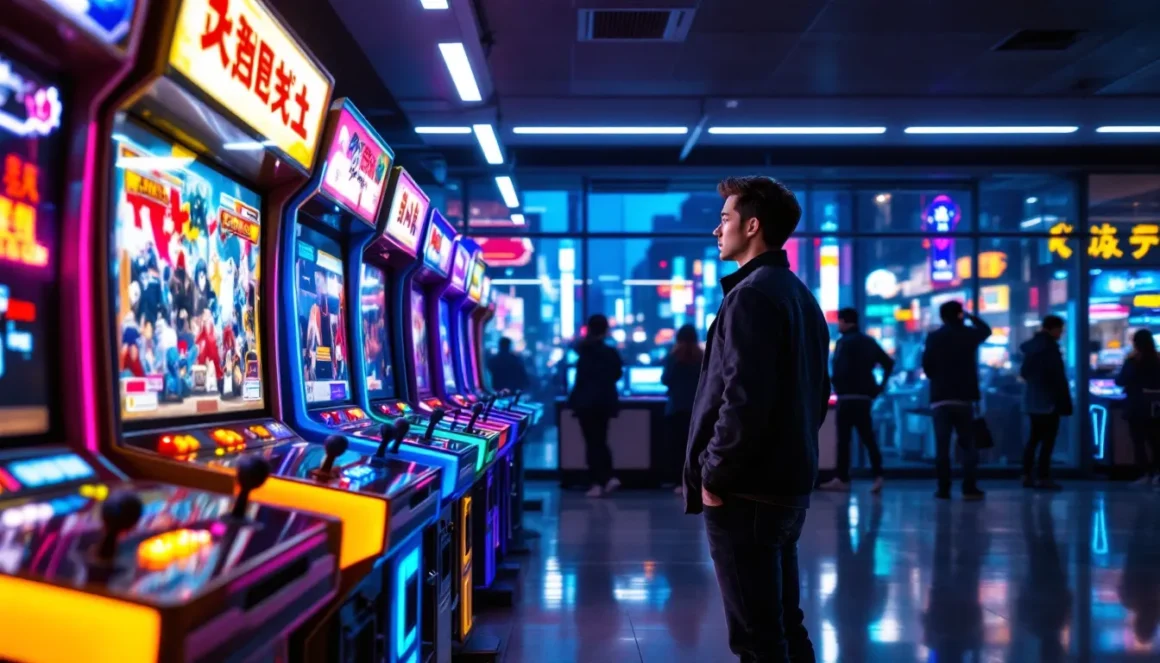
Walk into any game center in Tokyo’s Akihabara district, and you’ll feel it immediately, the electric hum of competition, the cacophony of sound effects layered over thumping J-pop, and the unmistakable glow of dozens of cabinets inviting you to prove your skills. Japanese arcade games didn’t just influence gaming culture: they built its foundation. From the pixel-perfect precision of shoot ’em ups to the frame-data obsession of fighting games, Japan’s arcade scene created genres, refined mechanics, and established design philosophies that resonate through every corner of modern gaming. Whether you’re chasing high scores on classic shmups, perfecting your execution in rhythm games, or hunting down rare cabinets, understanding Japanese arcade history is essential for any serious gamer. This guide cuts through the nostalgia to deliver the specifics: what made these games legendary, which titles still matter today, and how you can experience them in 2026.
Key Takeaways
- Japanese arcade games established the design foundations for modern gaming by prioritizing skill-based mechanics, frame data precision, and learnable patterns over randomness or luck.
- Street Fighter II and other fighting game classics introduced competitive concepts like frame-data analysis and character maining that now define the fighting game community.
- Rhythm games like Dance Dance Revolution and IIDX revolutionized arcade gameplay by creating physical skill requirements and social experiences that extended beyond traditional gaming.
- Japanese arcade cabinet design and controls—from Sanwa joysticks to specialized turntables—became tournament standards that continue shaping competitive gaming hardware in 2026.
- You can experience Japanese arcade games today through official emulated collections like Arcade Archives, home cabinet builds, or visiting dedicated locations in Tokyo’s Akihabara and other Japanese game centers.
- The preservation of Japanese arcade culture through MAME emulation, community documentation, and academic study ensures that game design principles from the golden age continue influencing future gaming innovation.
The Golden Age of Japanese Arcades
How Japanese Arcades Shaped Global Gaming Culture
Japanese arcades operated on a different philosophy than their Western counterparts from day one. Instead of treating cabinets as simple coin-eaters, Japanese developers designed them as skill-testing instruments where mastery mattered more than chance. This approach birthed the concept of “credit-feeding” being seen as shameful, you weren’t supposed to brute-force your way through games.
That mindset spread globally. When Street Fighter II hit arcades in 1991, it didn’t just create the competitive fighting game genre, it introduced frame data, hit-confirms, and spacing concepts that competitive gamers now dissect in every modern title. The ripple effects reached far beyond arcades. Console difficulty curves, achievement systems, even the concept of “maining” a character all trace back to Japanese arcade design.
The cultural exchange went both ways. Japanese game centers became pilgrimage sites for Western players seeking competition at the highest level. Tournament footage from Mikado, a-cho, and Taito Hey circulated through early internet gaming communities, setting standards for execution that shaped the FGC before streaming even existed.
The Rise of Game Centers in 1970s-1990s Japan
Japan’s game center boom kicked off seriously when Space Invaders landed in 1978. Taito’s phenomenon was so massive it reportedly caused a 100-yen coin shortage across Japan. By the early 1980s, arcades evolved from sketchy hangouts to mainstream entertainment destinations with establishments like Namco’s branded game centers.
The late 1980s through mid-1990s marked the absolute peak. Companies like Sega, Capcom, and SNK competed fierciously to dominate floor space. Sega’s UFO catchers and print club machines brought in non-gaming customers, while Capcom’s CP System board delivered technical marvels that home consoles couldn’t touch. Multi-floor game centers became standard in urban areas, dedicated floors for fighting games, rhythm games, medal games, and photo booths.
By the mid-1990s, Japan had over 26,000 game centers. The economic model was ruthless: new games launched at 100 yen per credit, sometimes dropping to 50 yen once popularity waned. Location testing determined which games survived. If your cabinet couldn’t pull 10,000 yen daily in prime Shibuya real estate, operators swapped it out. This Darwinian selection process meant only the most refined, replayable games survived.
Legendary Japanese Arcade Game Franchises
Fighting Games: Street Fighter, Tekken, and Beyond
Street Fighter II (1991) established the template, but Japan’s fighting game legacy runs deeper. Capcom’s Marvel vs. Capcom series turned fighting games into controlled chaos with tag mechanics and infinite combo potential. SNK’s The King of Fighters series launched in 1994, refining team-based gameplay across 15+ annual iterations before switching to a more irregular release schedule.
Tekken debuted in 1994 on Namco’s System 11 board, bringing 3D fighting to arcades with actual depth beyond gimmickry. The Korean backdash, wavedashing, and frame-perfect electrics that define high-level Tekken play all originated in Japanese arcades. Tekken 8 still maintains arcade presence in 2026, particularly in e-sports-focused venues.
Arc System Works carved its niche with anime fighters. Guilty Gear launched in 1998 with Roman Cancels, FRCs, and a metal soundtrack that became as iconic as the gameplay. The studio’s BlazBlue and Granblue Fantasy Versus carry that legacy forward, prioritizing aggressive, technical gameplay over the defensive metas that plagued some Western fighting game attempts.
Shoot ‘Em Ups and Bullet Hell Classics
Japanese shmups split into two dominant schools: Toaplan’s methodical, pattern-based design and Cave’s bullet hell philosophy. Toaplan titles like Truxton (1988) and Batsugun (1993) emphasized memorization and routing. When Toaplan dissolved in 1994, many staff formed Cave, which redefined the genre.
Cave’s DonPachi (1995) introduced danmaku (bullet curtain) gameplay where reading bullet patterns mattered more than raw reflexes. DoDonPachi (1997) refined this with hyper mechanics and scoring systems so deep that world record runs still evolve today. The genre peaked commercially in the late 1990s but maintained dedicated communities who pushed scoring boundaries.
Ikaruga (2001) by Treasure took a different approach, polarity switching that transformed bullet hell into puzzle-action. Meanwhile, games that blended different arcade genres showed how developers pushed cabinet capabilities to their limits. Radiant Silvergun, Gradius V, and Mushihimesama represent the genre’s artistic and mechanical peak.
Rhythm Games That Revolutionized the Genre
Konami’s Beatmania (1997) launched the rhythm game explosion with its turntable controller and DJ simulation. But it was Dance Dance Revolution (1998) that went global, turning physical movement into gameplay. DDR’s impact reached beyond gaming, it entered school fitness programs and inspired an entire generation of rhythm game hardware.
Guitar Freaks and DrumMania (both 1999) introduced instrument controllers years before Guitar Hero. These games pioneered the session mode where players on different cabinets jammed together, creating impromptu arcade bands.
Bandai Namco’s Taiko no Tatsujin (2001) brought traditional Japanese drum gameplay to arcades with massive physical drums. The series maintains strong arcade presence in 2026, particularly in Asia. Chunithm, maimai, and WACCA represent the modern evolution, touch-sensitive interfaces, anime tie-ins, and online ranking systems that keep competitive players returning.
Sega’s Initial D Arcade Stage series (2002-present) merged racing with rhythm game elements via eurobeat soundtracks and drift timing mechanics, creating a subgenre that’s uniquely Japanese.
Iconic Platformers and Action Games
While platformers found their home on consoles, Japanese arcades produced distinctive action experiences. Strider (1989) showcased Capcom’s CP System with fluid animation and massive sprites. The game’s influence echoes through every Metroidvania and character-action game since.
Metal Slug (1996) by SNK pushed 2D sprite art to absurd levels of detail. Each entry featured hand-drawn animation frames that home consoles struggled to replicate. The series prioritized spectacle and humor alongside run-and-gun action, with secrets and scoring routes that speedrunners still optimize.
Alien vs. Predator (1994) demonstrated Capcom’s beat ’em up mastery with six playable characters and branching paths. Dungeons & Dragons: Tower of Doom (1994) and Shadow over Mystara (1996) brought RPG elements like equipment, branching storylines, and character progression to the beat ’em up formula, design choices that directly influenced modern character-action games.
What Makes Japanese Arcade Games Unique
Cabinet Design and Innovative Controls
Japanese manufacturers treated cabinets as total experiences, not just display boxes. Sega’s R360 (1990) fully rotated players 360 degrees for games like G-LOC Air Battle. Konami’s Police 911 (2000) used motion tracking that required players to physically dodge by ducking and leaning, gameplay mechanics that predicted VR by over a decade.
Fighting game cabinets standardized around Sanwa and Seimitsu components. The Sanwa JLF joystick became the tournament standard with its specific throw distance, spring tension, and microswitches. Button layouts followed the “Vewlix” standard after Taito’s 2006 cabinet redesign, which every major tournament now uses.
Rhythm game cabinets went further. Pop’n Music’s nine colorful buttons, Beatmania IIDX’s turntable plus seven keys, and Sound Voltex’s two knobs with six buttons created muscle memory that didn’t translate to any other gaming experience. These physical skill barriers kept communities dedicated, mastering IIDX’s turntable scratches takes months of practice.
Difficulty Curves and Skill-Based Gameplay
Japanese arcade games respected player intelligence. Instead of random difficulty spikes, they featured learnable patterns and consistent rules. Battle Garegga (1996) became legendary for its rank system, play too well, and the game increases enemy aggression dynamically. Understanding and manipulating rank separates intermediate from expert players.
This design philosophy created the “one more credit” addiction cycle, but based on skill improvement rather than random chance. Games like Mushihimesama Futari’s Ultra Mode offered difficulty so extreme that world record holders spent years mastering single stages. The scoring systems often mattered more than survival, DoDonPachi DaiOuJou’s second loop and TLB requirements create risk-reward decisions every second.
Fighting games took this further with frame-perfect execution requirements. King of Fighters XIII demanded 1-frame links and HD cancel combos that required hundreds of training hours. This wasn’t artificial difficulty, it was the skill ceiling that competitive players sought. Developers like Arc System Works still maintain this philosophy against industry trends toward accessibility.
Artistic Style and Audio Design
Japanese arcade art direction prioritized readability and style over realism. Cave’s bullet patterns used bright, distinct colors so players could parse hundreds of projectiles at once. Character designs in fighters like Guilty Gear featured bold outlines and exaggerated proportions that remained visible during chaotic supers and screen fills.
Pixel art reached its zenith in Japanese arcades. Metal Slug’s hand-drawn sprites, Street Fighter III: Third Strike’s fluid animations (some characters had 600+ frames), and Vampire Savior’s gothic aesthetic demonstrated what dedicated sprite artists could achieve. These games aged better than early 3D titles precisely because artists prioritized style over technical realism.
Audio design matched the visual intensity. Darius cabinets featured specialized speaker setups including body-sonic chairs that vibrated with bass. Composers like Yoko Shimomura (Street Fighter II), Manabu Namiki (Cave shmups), and Daisuke Ishiwatari (Guilty Gear) created soundtracks that players recognized instantly. The relationship between audio cues and gameplay created unconscious pattern recognition, expert players often describe “feeling” enemy spawns through music changes.
Modern Japanese Arcade Scene in 2026
Current Popular Titles and Trends
Japan’s arcade market has contracted significantly since its 1990s peak but remains viable through specialization. Taito and Round1 dominate the operator space, running multi-floor entertainment centers that blend traditional gaming with UFO catchers, karaoke, and food service.
Fighting games maintain the strongest presence. Street Fighter 6 cabinets populate competitive venues, though many players have shifted to console/PC for online play. Tekken 8, released in January 2024, still draws crowds at dedicated e-sports venues like Red Bull Gaming Sphere in Tokyo. According to reports from Gematsu, new arcade versions of established franchises continue launching in Japan before international releases.
Gundam Extreme Vs. series represents Japan’s arcade-first philosophy, the newest iteration, Gundam Extreme Vs. 2 XBoost, runs on Bandai Namco’s specialized hardware that delivers experiences home systems can’t match yet. Mobile suit combat with networked 2v2 matches maintains dedicated communities.
Rhythm games thrive through continuous content updates. Chunithm and maimai DX receive new song packs monthly, including collaborations with anime, vocaloid producers, and j-pop artists. The games’ online networks track global rankings and offer unlockable content that requires multiple visits. Taiko no Tatsujin maintains popularity through all-ages appeal and regular hardware refreshes.
Card-based arcade games merged physical collecting with digital gameplay. Wangan Midnight Maximum Tune 6RR players collect and customize car cards, while Fate/Grand Order Arcade brought the mobile gacha phenomenon to arcades with physical card dispensers.
The Role of Esports in Arcade Gaming
Esports integration saved competitive arcade gaming but also changed its nature. Major tournaments now occur in hybrid formats, qualifiers at arcade locations feed into streamed championship events. Topanga Championship and Cooperation Cup maintain arcade-first qualification systems for Street Fighter, ensuring location play remains relevant.
Japanese pro players like Daigo Umehara (Street Fighter), Knee (Tekken, though Korean), and Tomo (IIDX) built careers on arcade-honed skills. Sponsorship from endemic brands like gaming cafes and peripheral manufacturers supports competitive scenes that might otherwise collapse.
News coverage from sources like Siliconera regularly highlights how arcade tournaments in Japan feature prize pools and player sponsorships comparable to console e-sports. The arcade environment still offers advantages for fighting games, zero input lag, standardized hardware, and face-to-face competition that online play can’t replicate.
But, COVID-19’s impact permanently shifted some competitive scenes online. Many top players now practice primarily on PC/console, using arcades for specific matchup practice and tournament preparation rather than daily grinding. Streaming revenue from platforms like Twitch and YouTube often exceeds tournament winnings, changing how pros allocate practice time.
How to Experience Japanese Arcade Games Today
Visiting Arcades in Japan: Top Locations and Tips
Tokyo remains the arcade capital. Akihabara’s Taito Station, Club Sega, and Hey offer multiple floors spanning all genres. Ikebukuro’s GIGO provides similar variety with less tourist congestion. For serious competition, Mikado in Takadanobashi and Game Newton in Osaka host the strongest fighting game communities.
Shinjuku and Shibuya feature the newest rhythm game cabinets, check Round1 Stadium locations for pristine IIDX, Sound Voltex, and maimai machines. Nakano Broadway’s smaller arcades stock older cabinets that major chains phased out, including rare shmups and obscure fighting games.
Practical tips: Most arcades open 10 AM-midnight, with 24-hour locations near major stations. Credit costs vary, 100 yen remains standard for most games, though premium new releases sometimes charge 200-300 yen. E-Amusement passes (for Konami games) and Banapassport cards (Bandai Namco) track your progress across locations and unlock features. Purchase these at any participating arcade for about 300 yen.
Etiquette matters. In fighting games, placing your credit on the marquee reserves your spot in the winner-stays-on rotation. Don’t interrupt others’ credit-feeding attempts on shmups. Photography is generally prohibited without permission. Some arcades restrict foreign tourists during peak hours, respect posted rules.
Osaka’s Den-Den Town and Kyoto’s smaller arcades offer alternatives to Tokyo’s crowds. Nagoya and Fukuoka maintain dedicated scenes but with less variety. For a comprehensive look at arcade evolution across eras, visiting different regions shows how local preferences shaped game center inventories.
Playing at Home: Emulation, Ports, and Collections
Legitimate options have expanded significantly. Arcade Archives by Hamster Corporation releases authentic emulated classics on PS4, PS5, Xbox, and Switch weekly. Each release costs $7.99 and includes original arcade modes plus customizable difficulty. Their library exceeds 300 titles spanning Namco, Taito, Jaleco, and Data East catalogs.
Capcom Arcade Stadium and Capcom Fighting Collection bundle dozens of classic fighters, beat ’em ups, and shooters. These include online play, rewind features, and training modes that original cabinets lacked. Street Fighter 30th Anniversary Collection provides the entire mainline SF arcade series with netcode for competitive play.
For shoot ’em ups, M2 Shot Triggers (Switch) offers the highest-quality ports with gadget modes that show hitboxes and scoring mechanics. Cave’s recent DoDonPachi Resurrection and Mushihimesama ports for modern systems include arranged modes and practice functionality.
Emulation through MAME (Multiple Arcade Machine Emulator) preserves thousands of titles, though legal ROM acquisition requires owning original boards. FBNeo offers better performance for fighting games. Configuration requires technical knowledge, mapping controls, adjusting display settings for proper aspect ratios, and reducing input lag to acceptable levels.
Services like Antstream Arcade (cloud-based, subscription) and SNK 40th Anniversary Collection provide curated libraries. Quality varies, check per-game reviews as some ports suffer from inaccurate emulation or poor control mapping. Enthusiasts building collections should prioritize official releases that compensate original rights holders.
Building Your Own Arcade Cabinet
DIY cabinet building has matured into a refined hobby. Pre-cut cabinet kits from vendors like RecRoomMasters and GameRoomSolutions cost $300-600 depending on size. These include routed wood panels, you supply tools, paint, and assembly. Full-size cabs match original dimensions: bartop versions save space but sacrifice authenticity.
Controls are critical. Arcade Shock and Focus Attack stock authentic Sanwa/Seimitsu components. A basic 2-player fighting game panel with arcade-quality joysticks and eight buttons per player costs $150-250. Specialized setups like IIDX controllers or shmup panels require custom mounting. Those interested in building custom arcade setups should budget several weeks for planning and assembly.
Display options include LCD monitors (cheaper, easier) or CRT monitors (authentic but heavy, requires voltage knowledge). Modern 4:3 or rotatable monitors handle vertical shmups. Budget $200-500 for quality displays with minimal input lag.
Computer hardware ranges from Raspberry Pi 4 ($75, handles most 2D games) to dedicated gaming PCs ($800+, necessary for demanding 3D titles and future-proofing). RetroPie and Batocera provide pre-configured operating systems. Front-ends like LaunchBox or AttractMode create authentic arcade interfaces.
Marquees, side art, and control panel overlays add polish. Companies like ArcadeGraphix print custom artwork from $50-150. Total project costs range from $600 (basic bartop) to $2,500+ (full-size with authentic components). Expect 20-40 hours of work for first builds.
For those evaluating full-size arcade purchases versus DIY, building offers customization but requires technical skills and troubleshooting patience. Buying restored originals costs more ($1,500-5,000) but delivers authentic experiences with zero assembly needed.
The Future of Japanese Arcade Games
VR and Next-Gen Arcade Innovations
VR arcades expanded across Japan since 2018, with venues like VR Zone Shinjuku (now closed) demonstrating location-based VR’s potential. Current operators including TYFFONIUM and VREX offer experiences requiring space and hardware beyond home VR setups, full-body haptics, omni-directional treadmills, and multiplayer scenarios in warehouse-scale play areas.
Bandai Namco continues experimenting with VR arcade titles. Mazaria in Ikebukuro features VR attractions based on Dragon Ball, Evangelion, and Gundam franchises. These installations cost 800-1,500 yen for 5-15 minute experiences, significantly higher than traditional arcade pricing but competitive with theme park attractions.
Motion-based cabinets evolved beyond racing and flight sims. Storm Racer G and Mario Kart Arcade GP VR integrate physical motion with VR headsets, creating hybrid experiences. But, hygiene concerns post-COVID and high maintenance costs limited widespread adoption.
AI integration represents the newest frontier. Fighting game training modes with AI opponents that adapt to player patterns debuted in Street Fighter 6. Similar systems could create dynamically adjusting difficulty in arcade shmups, though purists argue this contradicts the learnable-pattern philosophy that defined the genre.
Cryptocurrency and NFT integration appeared briefly in 2021-2022 but failed to gain traction. Players rejected monetization schemes that felt exploitative compared to straightforward credit-based play.
Preservation Efforts and Cultural Legacy
Arcade preservation faces unique challenges. Original PCBs degrade, capacitors leak, EPROMs lose data, and proprietary components become irreplaceable. Organizations like The National Videogame Museum (UK), The Strong Museum (US), and Japan’s Game Preservation Society work to document and preserve arcade hardware before it’s lost.
MAME’s development represents the most comprehensive preservation effort. The project prioritizes accurate emulation over playability, documenting hardware specifications even for commercially unsuccessful games. As of 2026, MAME supports over 7,000 arcade systems with varying accuracy levels.
Private collectors maintain working cabinets, though parts scarcity creates sustainability issues. Communities like KLOV (Killer List of Videogames) and Arcade Otaku share repair knowledge, replacement part sources, and ROM dumps. The appeal of classic arcade games persists partly because dedicated communities maintain this technical knowledge.
Legal gray areas complicate preservation. ROM distribution violates copyright law even when games are commercially unavailable. Some publishers like Capcom and SNK license their catalogs for legal re-release, while others let IP languish. Japan’s stricter copyright laws make domestic preservation efforts particularly challenging.
Cultural documentation matters beyond hardware. Tournament footage, strategy guides, and community histories provide context that emulation alone can’t capture. Projects like Core-A Gaming’s documentary series and coverage from sites like RPG Site help chronicle how arcade culture shaped competitive gaming’s evolution. The Fubarduck YouTube channel preserves high-level shmup replays that demonstrate intended scoring routes, vital documentation as fewer players master these games.
Universities now study arcade games academically. Japan’s Ritsumeikan University established a game archive including playable arcade cabinets. Western institutions increasingly recognize arcades as culturally significant beyond mere entertainment, they shaped urban social spaces, influenced music and fashion subcultures, and pioneered competitive gaming structures that evolved into modern esports.
Conclusion
Japanese arcade games built the foundations modern gaming stands on, from the frame data that fighting game players obsess over to the bullet patterns that defined an entire genre. The golden age may be over, but the design principles forged in those competitive spaces still separate memorable games from forgettable ones. Whether you’re planning a pilgrimage to Tokyo’s game centers, building a home cabinet, or finally learning why veteran players swear by specific joystick components, you’re engaging with decades of refined game design that valued player skill above all else. The cabinets might be fewer, but the communities remain dedicated. Every perfect clear in a Cave shmup, every tournament bracket run, every frame-perfect combo represents that legacy continuing. The future of Japanese arcades lies in preservation, hybrid models that blend location-based experiences with online competition, and new generations discovering why these games demanded, and still demand, your absolute best.