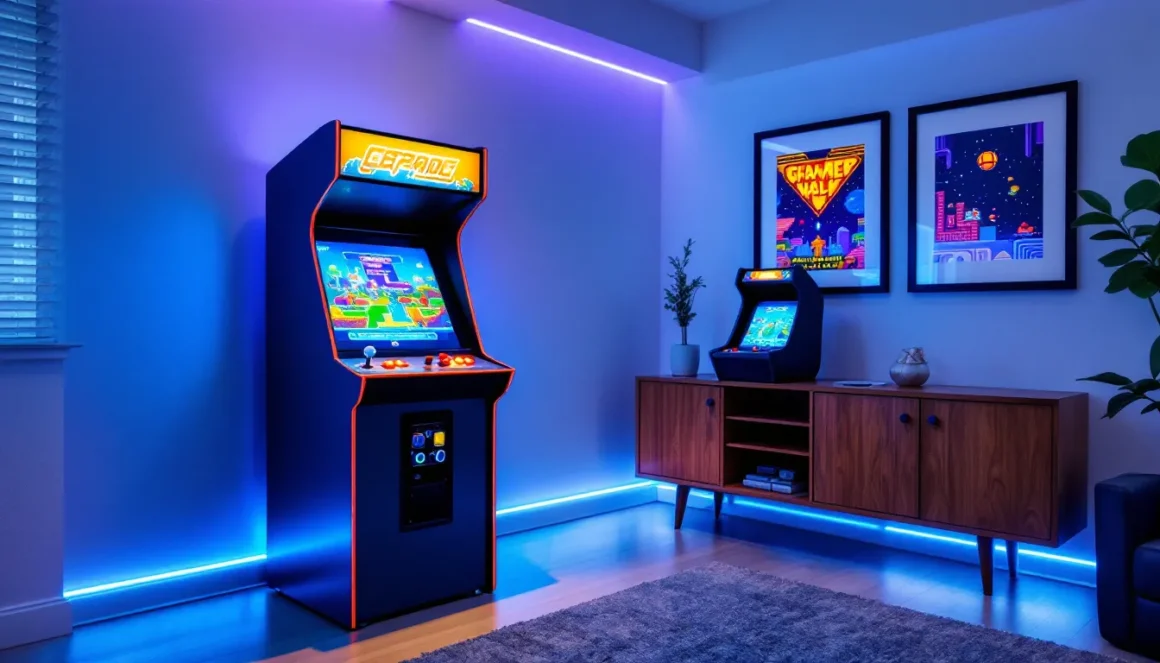
The smell of popcorn, the cacophony of bleeps and bloops, the satisfying clack of a joystick, arcades were more than just places to play games. They were social hubs, competitive arenas, and treasure troves of unforgettable experiences. While the golden age of arcades may have faded, the desire to recapture that magic hasn’t. Home arcade gaming has exploded in recent years, and in 2026, the options for bringing authentic arcade experiences into your living room, game room, or basement are better than ever.
Whether you’re a veteran gamer chasing nostalgia or a newcomer curious about what made these games legendary, setting up arcade games for home use offers something unique that modern gaming can’t quite replicate. There’s a tactile authenticity to real arcade controls, a visual appeal to those glowing cabinets, and a party-ready vibe that turns any space into an entertainment destination. This guide breaks down everything you need to know about choosing, buying, and setting up your own home arcade in 2026.
Key Takeaways
- Arcade games for home come in multiple formats—full-size cabinets, countertop bartop units, multi-game machines, and DIY builds—each offering different space, budget, and authenticity tradeoffs.
- Authentic arcade components like Sanwa joysticks and quality buttons create superior gameplay experiences compared to budget alternatives, making hardware quality a critical factor in your selection.
- Home arcade gaming spans a wide price range from $100 entry-level options to premium $2,000+ setups, with the mid-range $300-800 tier offering the best value for most enthusiasts.
- Proper setup includes securing adequate floor space (3×4 feet minimum), ensuring ventilation, managing cable routing, and creating appropriate lighting to enhance both visual appeal and playability.
- Classic titles like Street Fighter II, Pac-Man, and Galaga remain mechanically sound and highly playable decades later, making them excellent foundations for any arcade games for home collection.
- Regular maintenance—cleaning displays gently, replacing worn microswitches, and applying firmware updates—ensures arcade cabinets remain functional and preserve long-term value.
Why Bring Arcade Games into Your Home?
The appeal of home arcade gaming goes beyond simple nostalgia. Sure, there’s the emotional pull of recreating your favorite childhood memories, but the practical benefits are just as compelling.
Authentic gaming experiences matter. Playing Street Fighter II or Pac-Man on a standard controller doesn’t feel the same as using actual arcade controls. The resistance of authentic buttons, the precise eight-way joystick movement, and the physical feedback create muscle memory that’s part of the game itself. Speedrunners and competitive players will tell you, the hardware matters.
Then there’s the social element. Arcade games were designed for quarters and competition. Having a cabinet in your home turns gatherings into events. Friends naturally gravitate toward them, high scores become bragging rights, and head-to-head fighters create instant tournaments. It’s party entertainment that doesn’t require explaining rules or handing out controllers.
The aesthetic value can’t be ignored either. A well-chosen arcade cabinet becomes a conversation piece and centerpiece. Full-size machines with original artwork and glowing marquees add character to a space in ways that consoles tucked under TVs simply don’t.
Finally, there’s value retention. Quality arcade cabinets, especially authentic vintage machines or limited-run replicas, often hold or appreciate in value. Unlike most gaming hardware that depreciates the moment you open the box, a well-maintained arcade machine can be an investment.
Types of Home Arcade Gaming Solutions
The home arcade market in 2026 offers options for every space, budget, and commitment level. Understanding the differences helps you choose what fits your needs.
Full-Size Arcade Cabinets
These are the real deal, standing cabinets that match or closely replicate original arcade machines. They typically stand between 5.5 and 6 feet tall and include authentic controls, proper displays, and often original or reproduction artwork.
Replica cabinets from companies like Arcade1Up (full-size line) or AtGames Legends Ultimate offer modern takes with LCD screens and licensed game collections. They’re built new but designed to capture the look and feel of classics.
Restored originals are actual vintage machines refurbished to working condition. These require more maintenance and often cost significantly more, but for purists, nothing beats an original Galaga or Donkey Kong cabinet with authentic CRT display and original PCB board. The hunt for vintage cabinets has become easier through specialized retailers, though condition varies wildly.
Countertop and Bartop Arcade Machines
Space-savers that sit on tables, bars, or entertainment centers. These range from 18 to 24 inches tall and offer authentic controls in a fraction of the footprint.
Bartop units have become incredibly popular for apartments and smaller game rooms. Brands like Arcade1Up pioneered the mass-market countertop category, while custom builders offer premium versions with better components. These are perfect for arcade table games setup where floor space is limited but you still want authentic joystick and button layouts.
Most include 10-17 inch displays and can be surprisingly authentic in feel even though the smaller size. The controls are typically full-size arcade components, so the playing experience translates well.
Multi-Game Arcade Cabinets
These cabinets pack dozens or even hundreds of games into a single machine. The AtGames Legends Ultimate, for example, includes over 350 licensed titles as of the 2026 firmware, with regular updates adding more.
The advantage is obvious, variety. Instead of committing to a single title, you get an entire arcade’s worth of options. The retro arcade revival has made these multi-game cabinets more sophisticated, with improved emulation quality and better control customization.
The trade-off is authenticity. A cabinet optimized for Pac-Man plays differently than one built for Mortal Kombat. Multi-game cabinets compromise with generalized controls that work reasonably well for everything but excel at nothing specific.
DIY Arcade Kits and Custom Builds
For tinkerers and those wanting exactly what they envision, DIY remains the most flexible option. Modern DIY arcade builds typically use Raspberry Pi boards (the Pi 5 is standard in 2026) or dedicated PC hardware running emulation software like RetroPie or Batocera.
Kit manufacturers like RecRoomMasters and DIY Retro Arcade sell flat-pack cabinets that you assemble and populate with your own electronics and controls. Building your own arcade machine gives complete control over game selection, control layout, artwork, and component quality.
The barrier to entry has lowered significantly. Pre-wired control panels, detailed YouTube tutorials, and plug-and-play boards make DIY accessible even to those without electronics backgrounds. Expect to invest 10-20 hours on a first build, but the result is uniquely yours.
Arcade Stick Controllers and Plug-and-Play Options
Not ready to commit to a cabinet? Arcade stick controllers bring authentic controls to your existing console or PC setup. Premium sticks from manufacturers like Qanba, Hori, and Victrix use genuine Sanwa or Seimitsu arcade components and connect via USB or wireless.
These range from $150 budget options to $400+ tournament-grade sticks with customizable artwork, swappable components, and multi-platform compatibility. Fighting game players consider these essential, and they work beautifully for classic shooters and beat-em-ups too.
Plug-and-play HDMI sticks with built-in game collections offer the lowest barrier to entry, literally plug into your TV and play. These work in a pinch but lack the build quality and control feel of dedicated solutions.
Top Classic Arcade Games Worth Playing at Home
Some games defined the arcade era and remain worth playing decades later. These aren’t just nostalgia picks, they hold up mechanically and still challenge modern players.
Fighting games built the competitive arcade scene. Street Fighter II (particularly the Champion Edition and Turbo versions) established the fighting game genre and still has active tournament scenes. Mortal Kombat II and III perfected the violent spectacle with precise juggle combos and memorable characters. Marvel vs. Capcom 2 remains the gold standard for tag fighters, with a roster of 56 characters and infinite depth.
Shoot-em-ups (shmups) were quarter-eaters that demanded pattern memorization and pixel-perfect dodging. Galaga improves on Galaxian with the dual-ship mechanic and still tests reflexes. 1942 and 1943 brought vertical scrolling warfare. Later entries like DoDonPachi and Ikaruga pushed bullet-hell mechanics to art forms, though these are harder to find in licensed collections.
Beat-em-ups delivered co-op chaos. Teenage Mutant Ninja Turtles, The Simpsons Arcade Game, and X-Men were quarter-draining social experiences. Final Fight and Streets of Rage 2 refined the formula with deeper movesets and better pacing. Many video games arcade enthusiasts consider these essential multiplayer experiences.
Classic maze and platform games created the foundation. Pac-Man, Ms. Pac-Man, and Dig Dug are instantly recognizable. Donkey Kong introduced Mario and established platform gaming. Frogger proved simple concepts could generate extreme difficulty.
Racing games utilized specialized controls for immersion. Out Run defined the genre with its branching paths and memorable soundtrack. Daytona USA brought 3D racing to arcades. More modern picks like Cruis’n Blast show that arcade racing still has a place alongside simulation titles.
Light gun games like Time Crisis, House of the Dead, and Area 51 required specialized hardware but delivered experiences impossible to replicate elsewhere. Modern LCD screens make these trickier (they relied on CRT technology), but solutions using IR sensors or camera tracking exist.
When choosing games for your home setup, consider what matches your control layout and what you’ll actually replay. A cabinet dedicated to Golden Tee makes sense if you love golf games. A fighter-focused setup with six buttons per player serves Street Fighter and Mortal Kombat equally well. The variety of classic titles available today means you can curate your perfect lineup.
Key Features to Consider When Choosing Home Arcade Games
Not all home arcade solutions are created equal. These factors separate great experiences from disappointing purchases.
Game Selection and Variety
Licensing determines what games can be included. Official licensed products from Arcade1Up, AtGames, and others include legitimate ROM files and proper emulation. Unlicensed products may have questionable legality and often feature poor emulation or bootleg ROM variants that play incorrectly.
Check the complete game list before buying. Marketing materials often highlight marquee titles while burying the full roster. Some collections pad numbers with obscure or low-quality titles. Verify that the specific versions you want are included, there are multiple releases of games like Street Fighter II, and the differences matter to serious players.
Updateability is increasingly important. Some modern cabinets receive firmware updates that add games, fix emulation issues, or improve features. Others are locked to their launch state forever. Systems that accept additional content via USB or network updates extend value significantly.
Build Quality and Durability
This separates toys from legitimate arcade equipment. Premium cabinets use 3/4-inch MDF or plywood construction with proper joinery. Budget options use thinner materials that can warp or flex during aggressive play.
Control components matter enormously. Genuine Sanwa, Seimitsu, or iL components are arcade-grade and built for millions of actuations. Generic buttons and sticks feel mushy, wear quickly, and kill the authentic experience. If the manufacturer doesn’t specify component brands, assume they’re using cheap parts.
Weight is an indicator. A quality full-size cabinet should weigh 80-150 pounds. If an adult can easily carry it alone, the construction is probably too light to be stable during intense play sessions.
Check for reinforcement around control panels. Competitive fighting game players hit buttons hard, and cheap mounting can crack or bend. Proper T-molding along cabinet edges prevents chipping and adds that authentic arcade look.
Display and Graphics Quality
Modern arcade cabinets overwhelmingly use LCD panels rather than CRTs. This makes them lighter, cooler, and easier to maintain, but purists note the difference. CRTs have zero input lag, perfect black levels, and scanlines that many classic games were designed around.
For LCD displays, check several specs. Resolution should match or exceed the native resolution of the games. Most classic arcade games ran at 240p or 320×240, so even modest 720p or 1080p displays are more than sufficient. Response time and refresh rate matter for fast-paced games, look for at least 60Hz with sub-10ms response.
Screen size should be proportional to the cabinet. Full-size cabinets typically use 17-24 inch displays. Anything smaller looks lost in the bezel: anything larger can look stretched or disproportionate.
Some premium options include CRT filters or scanline generators that simulate the original display characteristics on modern screens. These can make games look more authentic, though opinions vary on whether the effect is worth it.
Control Layout and Authenticity
Control configuration depends entirely on your preferred games. Classic layouts included:
- 2-button fighters: Street Fighter, early fighting games
- 6-button fighters: Street Fighter II and most Capcom fighters (3 punches, 3 kicks)
- 4-button fighters: Mortal Kombat, Midway games (High Punch, Low Punch, High Kick, Low Kick)
- Single joystick + 1-2 buttons: Pac-Man, Galaga, most classic games
- Trackball: Centipede, Missile Command, Golden Tee
- Spinner: Tempest, Arkanoid
- Dual joysticks: Robotron: 2084, Smash TV
Generalist cabinets compromise with 6-button layouts that work reasonably well for most games but aren’t optimized for any specific title. Authentic full-size cabinets dedicated to single games or genres provide the truest experience.
Joystick quality varies enormously. The difference between a $3 generic stick and a $25 Sanwa JLF is night and day. Check whether sticks are four-way or eight-way restrictors (some games like Pac-Man require four-way) and whether they’re swappable.
Space Requirements and Placement
Even if you’re committed to the idea, arcade cabinets need proper space planning. Measure twice, buy once.
Full-size cabinets typically require a footprint of about 25-30 inches wide by 30-36 inches deep. Add clearance for the marquee (which can extend above 6 feet) and rear ventilation. Budget at least 3×4 feet of floor space per cabinet, more if you want comfortable player movement.
Don’t forget playing space. Standing cabinets are meant to be played standing up, so ensure there’s room to move and stance properly. Fighting games especially benefit from players being able to shift their weight and lean into moves. A cramped corner kills the experience.
Bartop and countertop units need sturdy surfaces at comfortable heights. Standard counter height (36 inches) or bar height (42 inches) work well for most adults. Kids need lower placement. Ensure the surface can handle 30-60 pounds of weight plus the force of aggressive button mashing.
Doorways and stairs are practical concerns often forgotten until delivery day. A full-size cabinet won’t fit through a standard 32-inch door opening without tilting, and basements with narrow stairways can be impossible. Some cabinets can be partially disassembled: others are one-piece units. Verify dimensions against your access routes before ordering.
Technology experts at PCMag recommend considering ventilation and electrical access as well. Arcade cabinets generate heat (especially multi-game systems with PC hardware) and need outlets nearby. Avoid placing them directly against heat sources or in direct sunlight, which can warp cabinets and damage displays.
Flooring matters more than you’d think. Carpet provides cushioning but can make cabinets unstable and collect dust in ventilation. Hardwood or tile is ideal but can be hard on joints during long play sessions. Rubber gym mats offer a middle ground, stable, easy to clean, and somewhat cushioned.
Multi-cabinet setups require even more planning. A small home arcade with 3-4 machines needs 150-200 square feet minimum to feel spacious rather than cramped. Consider traffic flow and spectator space, watching someone else play is part of the arcade experience.
Budget Considerations: From Entry-Level to Premium Options
Home arcade gaming spans an enormous price range. Understanding the tiers helps set realistic expectations.
Entry-level ($100-300) includes countertop units from Arcade1Up’s basic line, plug-and-play systems, and budget arcade sticks. These typically feature 10-20 games, smaller displays (10-14 inches), and adequate but not premium controls. Build quality is acceptable but not durable enough for daily heavy use. These are great for testing the waters or gifting to casual fans.
Mid-range ($300-800) represents the sweet spot for most enthusiasts. Full-size Arcade1Up cabinets, premium AtGames models, and quality bartop machines from various manufacturers fall here. Expect 30-100+ games, 17-22 inch displays, better construction, and improved (though often still not arcade-grade) components. Many include online connectivity, leaderboards, and streaming features as of 2026.
Premium ($800-2,000) brings significantly better quality. This tier includes cabinets with genuine arcade components, superior build quality, larger displays, and often better game selections. Custom-built machines from specialized builders typically start here. These are built for daily use and will last years with minimal maintenance.
Enthusiast/Collector ($2,000-10,000+) covers restored original cabinets, limited-edition releases, and custom builds with no compromises. Fully restored vintage machines with original artwork and working CRTs command premium prices. Custom builds at this level might include high-end PCs running modern emulators perfectly, premium displays, and professional-grade construction. For serious collectors, particular machines like restored Discs of Tron or rare Japanese import cabinets can exceed $10,000.
Hidden costs add up. Shipping for full-size cabinets runs $100-300 depending on distance and carrier. Some sellers offer white-glove delivery with assembly for an additional fee. Riser bases (which add height to shorter cabinets) cost $50-100. Light-up marquees and custom artwork run $100-500. Upgraded components, swapping in Sanwa sticks and buttons, adds $50-150 per player.
DIY builds have different cost structures. A basic RetroPie build using budget components and a kit cabinet can come in under $400 all-in. Premium DIY builds with the latest Raspberry Pi or dedicated PC hardware, genuine arcade components, and quality cabinets easily reach $1,000-1,500. The time investment, 10-40 hours depending on complexity, should factor into the value equation.
Long-term costs are minimal compared to other gaming hobbies. Arcade games don’t require subscriptions, online services, or regular game purchases. Occasional maintenance (replacement buttons, joystick microswitches) costs $10-50 every few years. Electricity usage is negligible, most modern cabinets draw 30-100 watts, less than a game console and TV combined.
Setting Up Your Home Arcade Experience
Unboxing your new arcade cabinet is exciting, but proper setup ensures the best experience and longest lifespan.
Assembly and Installation Tips
Most modern cabinets arrive partially assembled. Full-size units typically require attaching the base, mounting the control panel, and securing the marquee. Budget 30-90 minutes for assembly depending on the model and your comfort with basic tools.
Read the instructions completely before starting. Seriously. Arcade cabinet assembly instructions have improved dramatically, but skipping ahead causes mistakes. Lay out all parts and verify nothing is missing before beginning.
Common tools needed include Phillips and flathead screwdrivers, Allen wrenches (usually included), and occasionally a socket wrench. Power drills with Phillips bits speed up the process but aren’t strictly necessary.
Weight distribution during assembly matters. Never lift a partially assembled cabinet by the control panel or marquee, these aren’t structural components. Always lift from the main cabinet body. Having a second person helps enormously, especially when attaching heavier components.
Once assembled, level the cabinet using adjustable feet (if included) or shims. An unlevel cabinet looks wrong and can cause joysticks to feel biased in one direction. A small bubble level confirms proper alignment.
Cable management often gets ignored. Route power cables cleanly and secure them away from moving parts or heat sources. Some cabinets include cable channels: others require zip ties or Velcro straps. Clean cable runs make future maintenance much easier.
Before powering on, verify all connections are secure. Loose control cables cause unresponsive buttons or erratic inputs. Display cables should click firmly into place.
Creating the Perfect Game Room Ambiance
Arcade cabinets look best in the right environment. Strategic setup enhances both aesthetics and playability.
Lighting dramatically affects both visibility and atmosphere. Harsh overhead lights create screen glare. Soft ambient lighting with some directed accent lighting works better. LED strips behind cabinets create a modern glow effect popular in 2026 setups. Controllable smart lighting lets you adjust mood, bright for competitive sessions, dimmed for casual evening play.
According to gaming setup guides at How-To Geek, seating and viewing areas matter for multiplayer setups. Bar stools or benches give waiting players somewhere comfortable. Position them where spectators can watch without crowding the player.
Sound is half the experience. Arcade games were designed to be heard across crowded arcades, so their audio is punchy and aggressive. Built-in cabinet speakers vary wildly in quality. Budget cabinets often have weak 5-10 watt speakers. Premium units include proper stereo speakers with surprising bass response. External powered speakers can upgrade the experience if internal audio disappoints.
Some enthusiasts go full theme. Retro arcade posters, neon signs, vintage soda machines, and movie posters from the ’80s and ’90s complete the aesthetic. Others keep it minimal, the glowing cabinets provide enough visual interest on their own.
Climate control extends hardware lifespan. Consistent temperatures and moderate humidity prevent warping and electronic issues. Basements and garages work great if they’re finished and climate-controlled, but unheated spaces risk condensation and temperature extremes that damage components.
Maintenance and Care for Your Arcade Games
Regular maintenance keeps arcade cabinets playing smoothly for years. Most tasks are simple and require minimal tools.
Cleaning should happen regularly but gently. Wipe down exterior surfaces with barely damp microfiber cloths. Avoid harsh chemicals that can damage artwork or cabinet finishes. Control panels accumulate oils and grime from hands, isopropyl alcohol on a cloth safely cleans buttons and joysticks without harming components.
Display cleaning requires care. LCD screens scratch easily, so use screen-specific cleaners and microfiber cloths. Never spray directly onto the screen: apply to the cloth first. CRT displays (if you have vintage units) need even more caution due to the glass and potential static.
Buttons and joysticks are consumable components. Heavy use eventually wears microswitches, causing mushy or unresponsive inputs. Genuine arcade components last millions of actuations, but they do eventually fail. Replacement microswitches cost $1-2 each and swap in minutes with basic soldering or quick-disconnect connectors.
Joystick maintenance includes occasional lubrication and cleaning. Dust and debris accumulate in the mechanism, causing grinding or stiffness. Discussing arcade durability, players note that disassembling and cleaning joysticks annually extends their lifespan significantly.
Monitor calibration may drift over time. Colors can shift, brightness decreases, or contrast becomes exaggerated. Most modern cabinets include service menus accessible via button combinations. These menus allow brightness, contrast, and color adjustment. Document original settings before making changes.
Software and firmware updates keep multi-game cabinets current. AtGames Legends products receive regular updates via USB or WiFi, adding games and fixing bugs. Check manufacturer websites quarterly for updates. Some require manual download and USB installation: others update automatically if connected to WiFi.
Storage and environment matter for long-term preservation. If storing a cabinet, clean it thoroughly first. Cover it with breathable material (not plastic, which traps moisture). Store in climate-controlled spaces, garages and outdoor sheds risk humidity damage and temperature extremes.
Cabinets in active use still benefit from environmental care. Direct sunlight fades artwork and can warp cabinets. Keep them away from HVAC vents that blow directly on them. Dust regularly around ventilation openings to prevent overheating.
Electrical safety deserves attention. Check power cables periodically for damage. Ensure cabinets are plugged into proper outlets with adequate amperage. Using power strips with surge protection guards against electrical spikes.
For vintage machines with original PCB boards, maintenance becomes more complex. Capacitors age and fail, ROM chips can corrupt, and connectors oxidize. This level of repair often requires specialist knowledge or professional arcade technicians. Active communities on Reddit and specialized forums provide guidance for specific machines.
Where to Buy Home Arcade Games in 2026
The home arcade market has matured significantly, with options ranging from big-box retailers to specialized builders.
Major retailers stock mainstream options. Best Buy, Target, and Walmart carry Arcade1Up’s full line, both online and in physical stores. This offers the advantage of seeing products in person before buying, though selection is limited to mass-market models. Amazon stocks wider variety, including imports and smaller brands, with the convenience of Prime shipping and easy returns.
Manufacturer direct purchases often include exclusive models or configuration options. Arcade1Up, AtGames, and other major brands sell through their own websites, frequently offering bundles, customization options, or limited editions not available elsewhere. Direct purchases sometimes include better warranties or customer support.
Specialty retailers focus specifically on arcade products. Retailers like DIY Retro Arcade, RecRoomMasters, and Arcade Game Factory offer parts, kits, and complete custom builds. These vendors cater to enthusiasts and offer expertise that general retailers can’t match. Expect better component quality and more configuration options, at premium prices.
Used markets offer both deals and risks. Facebook Marketplace, Craigslist, and OfferUp frequently list home arcade cabinets from owners upgrading or downsizing. Prices on used gear can be 30-60% below retail for lightly used equipment. Inspection before purchase is crucial, verify everything works, check for damage, and test all controls. Bring a friend for safety when meeting strangers for large purchases.
Vintage arcade dealers specialize in restored original machines. Companies like Game Rant has covered numerous specialized vintage arcade dealers who source, restore, and sell authentic machines from the ’80s and ’90s. These aren’t cheap, but authenticity and nostalgia are unmatched. Expect $1,500-$5,000+ for fully restored classics with working CRTs and original artwork.
Custom builders create exactly what you envision. Search for local arcade cabinet builders or use platforms like Etsy for nationwide options. Custom builds accommodate specific game selections, control layouts, artwork, and sizes. Communication is key, provide detailed specifications and reference images to ensure the builder understands your vision. Lead times often run 4-12 weeks depending on complexity and the builder’s backlog.
Import options expand choices but add complexity. Japanese arcade machines (especially fighting games and shmups) sometimes never released in the US. Importers source and ship overseas machines, handling customs and logistics. Expect significant shipping costs ($200-800 depending on size and origin) and potential voltage conversion requirements (Japan uses 100V, US uses 120V).
Seasonal timing affects pricing. Black Friday and holiday sales offer 20-30% discounts on mainstream products. January through March sees fewer sales but more used equipment as post-holiday buyers flip or regret purchases. New models typically launch in fall, making previous years’ models cheaper in late summer.
Warranty and support vary enormously by seller. Major manufacturers offer 90-day to 1-year warranties covering defects and component failures. Custom builders may or may not offer warranties, clarify before purchasing. Used and vintage sales are typically as-is with no warranty.
Shipping method matters for full-size cabinets. Standard freight shipping delivers to the curb, you handle moving it inside. White-glove delivery includes inside placement and sometimes assembly, but costs $150-300 more. For large or heavy items going to second floors or basements, white-glove service can be worth every penny.
Conclusion
Bringing arcade games into your home in 2026 is more accessible and rewarding than ever. Whether you choose a full-size cabinet that recreates childhood memories, a space-saving bartop for quick sessions, or a DIY build customized exactly to your preferences, the options accommodate every space, budget, and gaming preference.
The key is understanding what matters to you. Casual players wanting variety will love multi-game cabinets. Fighting game competitors need authentic six-button layouts with quality components. Collectors might chase restored originals with working CRTs. DIY enthusiasts can build dream setups on reasonable budgets.
Start with your space and budget, identify your must-have games, and choose the solution that fits. The magic of arcade gaming, the tactile controls, the glowing cabinets, the instant accessibility, translates beautifully to home environments. Your game room is waiting.